Malaysia's People's Income Initiative, commonly known as IPR, has successfully reached 7,787 households since its near-complete three-year implementation cycle, the Economy Ministry revealed this week in response to parliamentary questions. The programme represents a cornerstone of the government's multi-pronged approach to addressing entrenched poverty and improving living standards among vulnerable populations, complementing other existing welfare mechanisms already deployed across the country.
The initiative tackles three interconnected challenges that have long frustrated policymakers and affected millions of Malaysians: ensuring food security, generating sustainable employment opportunities, and reducing the financial strain households face in their daily lives. Rather than functioning as a standalone intervention, IPR operates as part of a broader ecosystem of poverty-reduction measures, filling gaps where conventional social safety nets may fall short or require targeted reinforcement. This design reflects an understanding that poverty in modern Malaysia is multifaceted, requiring approaches that address income generation alongside immediate consumption needs.
While the headline figure of 7,787 beneficiary households may appear modest relative to Malaysia's overall population, the ministry emphasised the "highly encouraging response" and "impressive results" documented to date. More significantly, programme administrators noted that a meaningful proportion of participants have substantially improved their economic positions, with some earning monthly incomes surpassing RM2,000. This outcome suggests the initiative extends beyond providing temporary relief, instead enabling genuine economic mobility for those able to engage effectively with its mechanisms. For households previously trapped in poverty cycles, achieving such income thresholds represents transformative progress.
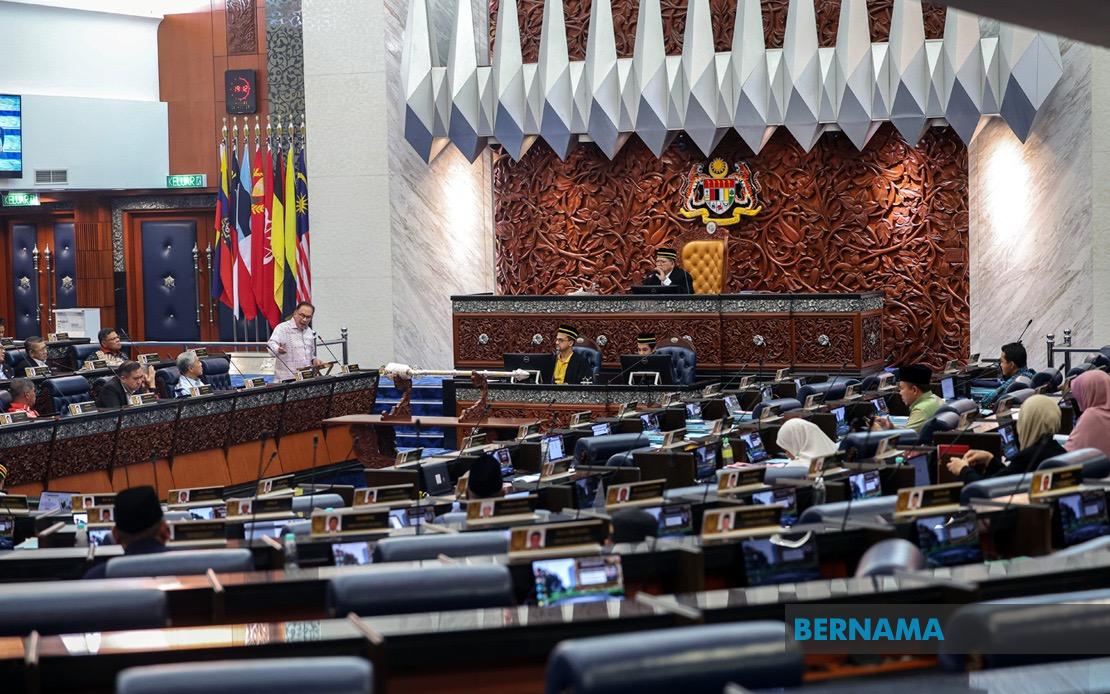
The parliamentary query that prompted this disclosure came from Wan Ahmad Fayhsal Wan Ahmad Kamal, a PN-Machang representative, who sought detailed performance metrics alongside information about how Malaysia's centralised population database—PADU—contributes to economic policymaking. This dual focus reflects growing parliamentary interest in ensuring government programmes operate with maximum efficiency and that data infrastructure serves broader social objectives. The ministry's comprehensive response indicates both the programme's political salience and the interconnection between digital infrastructure and welfare delivery.
Beyond IPR's direct impact, the ministry highlighted PADU's expanding role in public administration. As of June 2026, 204 government agencies have established continuous data-sharing protocols with the database, enabling real-time information exchange. This integration addresses long-standing fragmentation that historically hindered coordinated policy delivery across Malaysia's federal bureaucracy. Agencies previously operated with partial or outdated information, creating inefficiencies and sometimes duplicate or contradictory interventions affecting the same populations.
The framework has generated tangible policy applications, with 27 data-sharing arrangements officially approved and operational. These integration pathways serve multiple functions: implementing targeted programmes more precisely, allocating resources where need is greatest, digitalising service delivery, and supporting evidence-based research that informs future policy design. The breadth of this approval rate suggests ministries recognise PADU's potential to enhance governmental effectiveness, though questions remain about whether adoption levels have reached saturation or continue expanding.
For Malaysian observers, the IPR results carry implications beyond poverty statistics. The programme's success or limitations will likely shape how government approaches future economic intervention, particularly as inflation and cost-of-living pressures persist. Policymakers must assess whether 7,787 households represents adequate coverage for identified need, or whether scaling represents a viable priority. International experience suggests that income-support programmes often face tension between coverage breadth and benefit adequacy—allocating resources to more households may require reducing individual benefits, potentially undermining the transformative RM2,000-plus monthly incomes reported.
The data-sharing apparatus underlying modern Malaysian governance also merits scrutiny. PADU's expansion reflects a global trend toward centralised data systems, enabling coordinated service delivery but raising privacy and surveillance questions that Malaysian civil society continues debating. How effectively such data integration actually improves outcomes remains an empirical question requiring transparent measurement.
Regionally, Malaysia's experience offers lessons for other Southeast Asian nations grappling with similar poverty challenges and digital governance development. The approach of linking comprehensive data systems to welfare programmes represents an increasingly common model, though successful implementation depends heavily on administrative capacity, political stability, and public trust—variables that differ significantly across the region.
Looking forward, the ministry faces pressure to clarify IPR's trajectory. Will the programme expand to accommodate additional households? What evidence supports the selection criteria determining eligibility? How are success metrics defined, and how frequently does government conduct rigorous evaluation? The parliamentary question itself suggests that both ruling and opposition members expect accountability regarding whether public resources generate commensurate societal benefit.
The RM2,000-monthly income threshold represents a policy success worth examining further. Understanding which programme elements proved most effective at enabling participants to achieve this level could inform design refinements. Similarly, identifying barriers preventing other eligible households from participating might reveal whether programme awareness, application procedures, or other factors limit reach. As Malaysia navigates post-pandemic economic challenges and works toward higher-income status, ensuring that vulnerable populations share in broader prosperity will remain central to social stability and inclusive growth aspirations.

