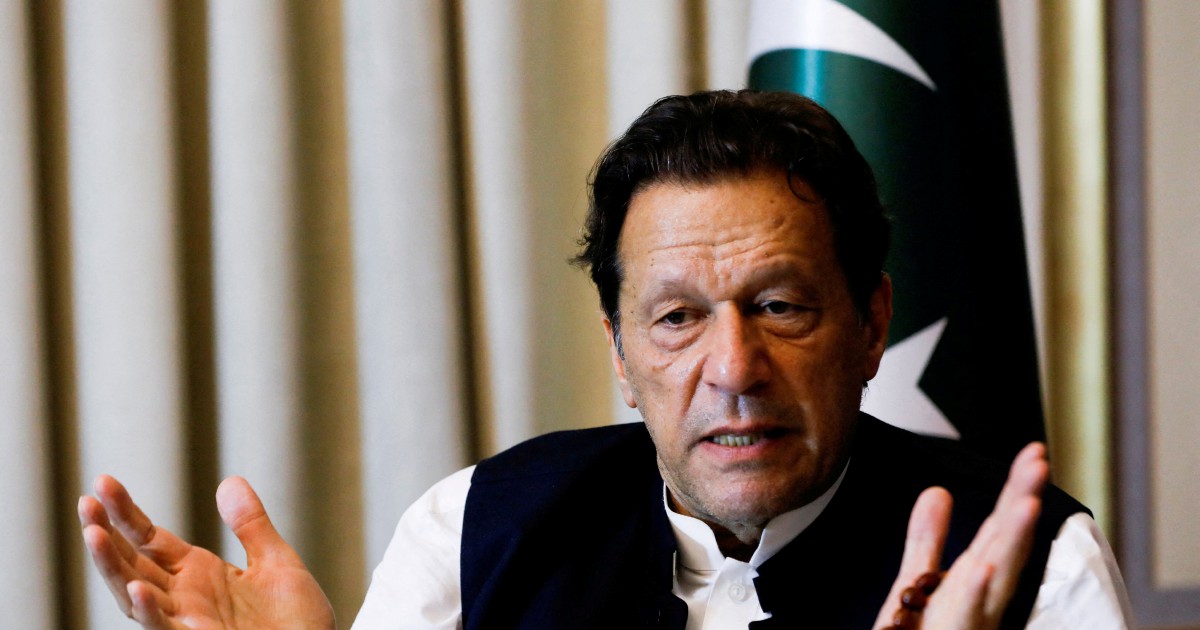
Former Pakistani Prime Minister Imran Khan has been returned to custody after undergoing a medical examination at a healthcare facility in Islamabad, with the procedure conducted under judicial orders, according to statements from government officials on Friday. The return to confinement marks another development in the ongoing legal proceedings surrounding the high-profile political figure, whose detention has remained a focal point of domestic and international attention in recent months.
Imran Khan's medical assessment had been specifically mandated by the courts, indicating that his health status formed part of the judicial process governing his case. The examination itself took place at a medical facility located within Pakistan's capital, suggesting that authorities prioritised the assessment while maintaining security protocols associated with his custody arrangements. The coordination between judicial authorities and health services reflects standard procedures when detainees require medical evaluation during incarceration.
The former cricket star-turned-politician has faced considerable legal challenges since his fall from power. His detention has sparked considerable debate within Pakistan regarding judicial independence, political accountability, and the treatment of high-ranking former officials. The circumstances surrounding his custody have attracted scrutiny from human rights organisations and international observers monitoring the Pakistani justice system.
Imran Khan's political movement, Pakistan Tehreek-e-Insaf (PTI), has maintained that his prosecution forms part of a broader political vendetta orchestrated by rival factions. The party has mobilised supporters and leveraged social media platforms to challenge what it characterises as politically motivated charges. Conversely, the government has defended its actions as standard legal proceedings applied impartially to all citizens, regardless of political standing.
The timing and nature of judicial orders requiring medical examinations can indicate concerns about a detainee's physical condition or medical needs during incarceration. Such procedures typically ensure that custodial authorities maintain proper standards of care and provide documentation for legal records. In high-profile cases involving former senior government officials, such measures also serve to demonstrate procedural compliance and transparency in the custody system.
Pakistan's legal framework permits courts to mandate medical assessments when circumstances warrant examination of a detainee's health status. These orders may result from requests submitted by defence counsel, observations by prison medical staff, or the court's own initiative to ensure proper treatment standards. The procedure undertaken in Imran Khan's case aligns with established protocols within Pakistan's judicial and prison systems.
The case carries broader implications for Southeast Asian observers regarding institutional accountability and the intersection of politics and law in South Asia. Malaysia and other regional nations maintain diplomatic relations with Pakistan and monitor developments within its political and legal systems, particularly when high-profile figures face prosecution. The handling of such cases reflects upon international perceptions of Pakistan's commitment to rule of law and equitable judicial processes.
The detention has influenced Pakistan's political landscape significantly. PTI's opposition to the government has been complicated by restrictions on Imran Khan's ability to campaign or make public statements, though supporters continue mobilising through various channels. The party's positioning within Pakistan's parliamentary structure and its capacity to challenge the ruling coalition depend substantially on how its leadership navigates current legal challenges.
International media coverage of Imran Khan's situation has presented divergent narratives reflecting different assessments of Pakistani politics. While some outlets emphasise judicial processes and domestic charges, others highlight concerns about political detention and press freedom. These competing interpretations shape global perceptions of Pakistan's democratic institutions and governance standards.
The outcome of ongoing legal proceedings remains uncertain, with multiple cases reportedly under consideration within Pakistan's court system. Defence teams continue mounting challenges to charges, while prosecutors present evidence supporting the state's allegations. The medical examination now concluded may provide documentation relevant to future hearings or bail applications.
For Malaysian observers and policymakers, the Imran Khan case illustrates complexities within South Asian political systems where military-judicial dynamics, civilian governance, and electoral politics intersect unpredictably. Regional analysts note that stability within Pakistan affects broader South Asian geopolitical calculations, including factors relevant to Southeast Asian security and economic interests. Understanding Pakistan's internal political mechanisms therefore holds strategic significance for understanding regional dynamics more broadly.
The return to custody following medical assessment suggests that judicial proceedings will continue their established trajectory. Future developments may include additional court hearings, appeals, or changes in charges. The international dimension of this case, including scrutiny from human rights bodies and foreign governments, may influence procedural decisions or sentencing considerations should convictions result.

