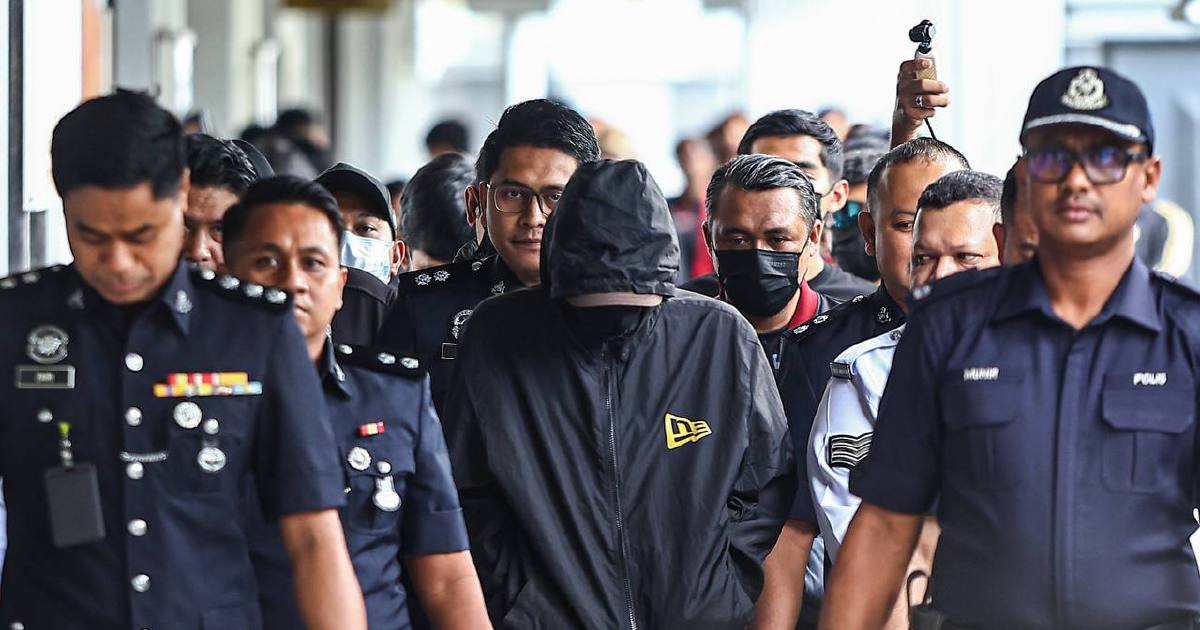
An Immigration Department lorry driver made his first court appearance today at the Kuala Lumpur magistrates' court, entering a plea of not guilty to five charges stemming from a catastrophic traffic collision at the Maju Junction intersection. The incident, which occurred the previous day, resulted in the deaths of three members of a single family, marking a tragic reminder of road safety hazards that continue to plague major urban intersections across Malaysia's capital and surrounding areas.
The charges faced by the driver include three separate counts of causing death by reckless or dangerous driving, the most serious allegations arising from the collision. These charges carry significant legal consequences and reflect the severity of the incident. The specific circumstances of the crash remain a focal point for both law enforcement investigators and road safety advocates who have repeatedly highlighted the dangers posed by large commercial vehicles operating in densely populated areas.
The Maju Junction intersection, located in the heart of Kuala Lumpur's urban sprawl, has long been identified as a critical traffic junction where multiple roadways converge. The convergence of heavy vehicular traffic, commercial transport, and passenger vehicles at such intersections creates a complex and potentially hazardous environment for all road users. The fatal collision underscores ongoing concerns about the adequacy of safety measures, driver training protocols, and vehicle maintenance standards within the commercial transportation sector.
The involvement of an Immigration Department vehicle in such an incident raises broader questions about the operational standards and oversight mechanisms governing government-owned transport assets. Government agencies responsible for managing departmental fleets bear a responsibility not only to their employees but also to the public at large. This incident may prompt regulatory reviews regarding how official vehicles are maintained, how drivers are selected and trained, and what protocols exist for monitoring driver conduct and fatigue levels during operational hours.
Malaysia has struggled persistently with high rates of traffic fatalities, with commercial vehicles frequently implicated in the most severe incidents. The prevalence of heavy trucks and lorries in fatal collisions has prompted periodic initiatives aimed at tightening regulations on driver qualifications, working hours, and vehicle inspection standards. However, implementation gaps and inconsistent enforcement have limited the effectiveness of these interventions. Each fatal incident reignites debate about whether existing measures are sufficiently robust or whether fundamental systemic changes are required.
The loss of three family members in a single incident adds an emotional dimension to the statistics surrounding road fatalities. Such tragedies reverberate through communities and often catalyse calls for more stringent enforcement of traffic laws and stricter penalties for driving violations. Families and advocacy groups frequently use high-profile cases to push for legislative reform and improved accountability within both the private and public sectors of the transportation industry.
The trial process will likely examine critical details including vehicle maintenance records, the driver's operational history, evidence regarding vehicle speed and braking distance, and any potential contributing factors such as mechanical failure or adverse weather conditions. Forensic analysis of the collision scene, witness testimony, and expert assessment of the circumstances will form the evidentiary foundation for the case. These investigative findings may have implications extending beyond the individual case, potentially informing broader discussions about road safety standards.
The incident occurs within a context where Malaysian authorities have periodically launched enforcement campaigns targeting dangerous driving practices and commercial vehicle violations. Such campaigns often coincide with peak travel periods or following high-profile accidents. Whether sustained commitment to road safety enforcement exists between campaigns remains a persistent challenge for transport regulators and traffic police throughout the country.
The magistrates' court proceedings will proceed through standard legal channels, with the burden of proof resting with the prosecution to establish the charges beyond reasonable doubt. The defence will have opportunity to present contrary evidence and argument. Depending on the complexity of the matter and the volume of evidence to be presented, the trial may extend over multiple sessions. The court's eventual determination will establish both legal responsibility and potentially set precedent relevant to similar future cases.
Beyond the immediate legal consequences for the driver, this case will likely inform discussions among policymakers regarding commercial vehicle safety, driver welfare, and the adequacy of existing regulatory frameworks. Insurance implications, civil liability considerations, and victim compensation may also feature prominently in subsequent proceedings. The incident serves as a stark illustration of the human cost when preventable accidents occur on Malaysian roads, and reinforces the imperative for ongoing vigilance and continuous improvement in transportation safety standards across all sectors.

