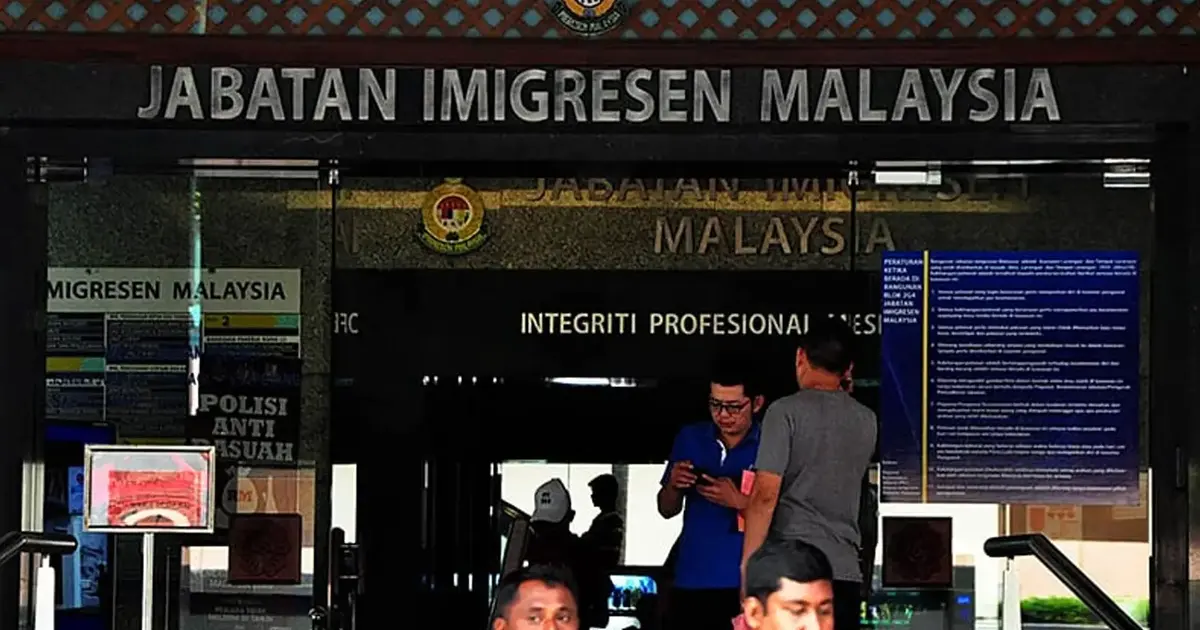
The Director-General of Immigration has publicly stated that the identity of the officials involved in the MyIMMs system compromise was established immediately upon discovery, marking a significant development in what has become one of the most serious security breaches within the country's immigration infrastructure. The revelation underscores both the swift investigative response and the scale of the internal security lapse that allowed unauthorised access to one of Malaysia's most critical administrative databases.
Eleven immigration officers face arrest on allegations of orchestrating a coordinated breach of the MyIMMs platform, the central digital system managing Malaysia's immigration records and identity verification processes. The alleged conspiracy centred on circumventing established protocols to enable the submission and subsequent approval of PLKS—permanent resident identity applications—without proper authorisation or fulfilling standard documentation requirements. This particular focus on PLKS applications suggests the breach was not random but rather methodically targeting a specific category of immigration status conferral.
The MyIMMs system represents the technological backbone of Malaysia's immigration operations, processing applications, issuing travel documents, and maintaining comprehensive records on millions of residents and travellers. A successful breach of this system carries implications far beyond individual cases of fraudulent approval. Such compromises pose broader national security concerns, as immigration databases are foundational to border security, law enforcement coordination, and identity verification protocols across government agencies and the private sector alike.
The fact that officials were identified rapidly from the investigation's commencement indicates that forensic examination of system logs, access records, and transaction trails provided clear evidence of culpability. Modern database management systems routinely document user activities, login times, actions performed, and data modifications, creating detailed audit trails that investigators can cross-reference against personnel records and shift schedules. This technological surveillance capability, while designed for legitimate oversight purposes, proved instrumental in pinpointing the individuals involved.
The arrest of eleven officers points to an operation more extensive than opportunistic misconduct by isolated bad actors. The coordination required to systematically approve unauthorised applications, navigate administrative checkpoints, and avoid immediate detection suggests either deliberate collusion among multiple officers or exploitation of systemic vulnerabilities in the approval workflow. This distinction carries important implications for how the immigration agency will restructure its oversight mechanisms moving forward.
The targeting of PLKS applications specifically raises questions about the motivations and beneficiaries of the alleged scheme. Permanent residency status offers significant privileges including long-term employment rights, property ownership in certain categories, and educational access for dependents. The commercial value of facilitating such approvals for ineligible applicants could generate substantial illegal profit if processed applications were sold to willing buyers, either within Malaysia or potentially to foreign nationals seeking permanent residency status through illicit channels.
This breach occurs within a broader regional context of escalating cybersecurity threats against government infrastructure and sensitive databases. Southeast Asian nations have experienced numerous incidents involving compromised immigration systems, passport databases, and identity registries, often attributed to criminal syndicates, state-sponsored actors, or combinations thereof. Malaysia's immigration system has faced scrutiny in recent years regarding its vulnerability to digital exploitation and administrative fraud, making this incident part of a concerning pattern.
The investigation and arrests represent an opportunity for the immigration authority to implement corrective measures addressing both the technological and procedural weaknesses that enabled the breach. Enhanced access controls, multi-factor authentication, real-time monitoring systems, and segregation of duties in the approval process can reduce the likelihood of similar incidents. However, purely technical solutions cannot address the human element—the willingness of officers to participate in fraudulent schemes suggests organisational culture issues and potentially inadequate integrity screening or oversight mechanisms.
The implications extend beyond the immigration department to affect public confidence in government databases and official identity documents. If PLKS certificates were issued fraudulently through this scheme, determining the legitimacy of any particular credential becomes problematic for employers, educational institutions, and law enforcement agencies that rely on official immigration status verification. The government may need to implement a systematic audit of PLKS approvals during the period when these officers had access, potentially invalidating numerous fraudulent credentials and triggering administrative appeals and reprocessing.
For Malaysia's standing in the international arena, such breaches can damage bilateral relationships and cooperation frameworks. Countries with reciprocal immigration agreements or security arrangements may view this incident as evidence of inadequate safeguards within Malaysian systems, potentially affecting visa agreements, information sharing arrangements, and mutual recognition of travel documents. Southeast Asian regional cooperation through ASEAN immigration frameworks could also face scrutiny regarding data security standards and best practices implementation.
The DG's willingness to publicly acknowledge that perpetrators were identified swiftly may represent damage control strategy, emphasising institutional competence and transparency rather than allowing speculation to proliferate. However, the deeper question remains whether the rapid identification reflects genuinely robust security monitoring or whether the breach was only discovered through external reporting or accidental discovery, with the investigative response appearing swift in retrospect. The public narrative may require substantiation through detailed investigation findings.
Looking ahead, this incident will likely catalyse government-wide reviews of database security protocols, particularly within agencies managing sensitive identity information. Malaysia's experience may inform policy discussions across ASEAN regarding minimum cybersecurity standards for immigration systems and the sharing of investigative findings regarding sophisticated internal security threats. The outcome of prosecutions against the arrested officers will demonstrate whether accountability mechanisms function effectively within the civil service when high-profile breaches occur.

