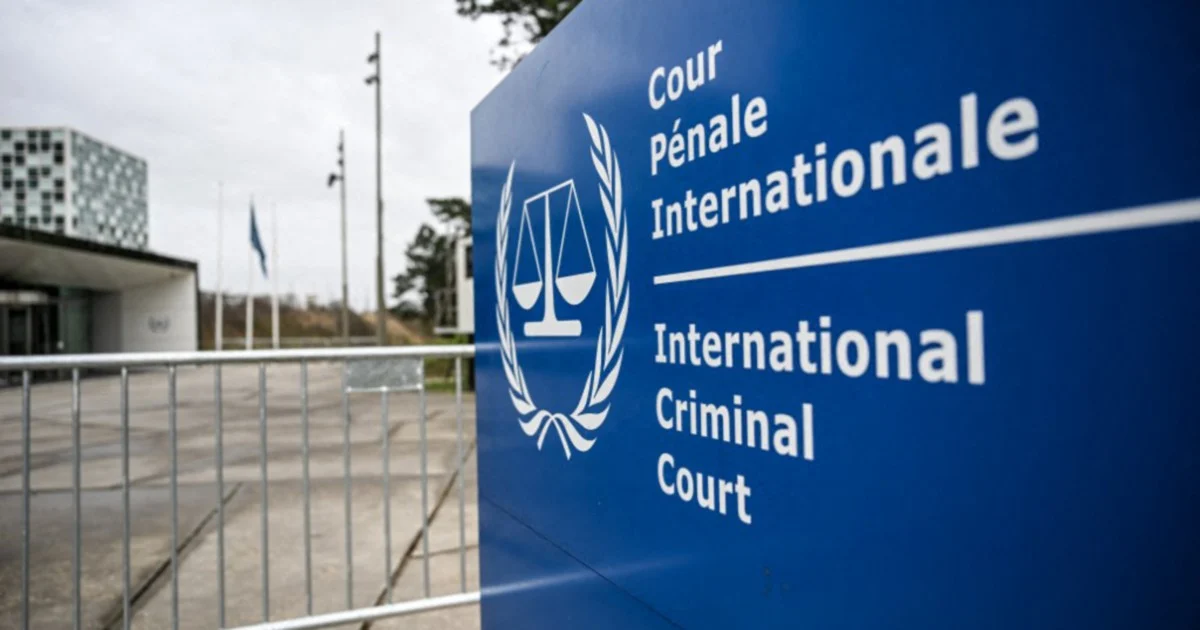
Three judges from the International Criminal Court have launched a legal challenge against the Trump administration in a New York federal court, contesting sanctions that were imposed against them. The lawsuit, filed on Wednesday, names President Donald Trump alongside other top-ranking US officials as defendants, arguing that the restrictive measures lack legal foundation and breach fundamental American constitutional principles.
The dispute represents a significant escalation in tensions between Washington and the UN-backed judicial body. The ICC, headquartered in The Hague, operates as an independent international institution tasked with prosecuting individuals for war crimes, crimes against humanity, and genocide. The tension stems from US efforts to restrict the court's reach and influence, particularly regarding investigations and prosecutions that might implicate American personnel or allies.
The judges characterised the sanctions as excessively harsh and disproportionate to any alleged wrongdoing. Their legal team contends that the measures were implemented without due process and constitute an abuse of executive authority. The lawsuit seeks to overturn the sanctions and restore the judges' previously frozen assets and financial privileges that accompanied their international positions.
US sanctions targeting ICC officials represent a dramatic departure from the international cooperation framework that has historically defined American engagement with global institutions. The Trump administration initiated these measures as part of a broader pushback against what it views as overreach by the court into matters affecting American interests and personnel. The administration had previously withdrawn the US from the ICC's founding agreement, the Rome Statute, signalling deep scepticism about the institution's independence and mandate.
For Malaysian observers and Southeast Asian stakeholders, this legal confrontation carries broader implications regarding international accountability mechanisms and institutional legitimacy. The region has witnessed sustained engagement with ICC processes, including discussions about complementarity principles that allow domestic courts to take primacy over international prosecution. The outcome of this lawsuit could significantly influence how smaller nations view their obligations toward international legal bodies and the extent to which powerful countries might circumvent global justice mechanisms through unilateral pressure.
The judges argue that the sanctions violate their rights under the Fifth Amendment, which protects individuals from government action without due process and fair compensation. They also contend that freezing their assets without formal legal proceedings infringes principles of natural justice that underpin the American legal system. The case essentially asks whether the executive branch possesses authority to impose targeted financial measures against foreign judicial officials without congressional approval or court involvement.
The timing of the lawsuit reflects ongoing political tensions between the Trump administration and multilateral institutions that it perceives as insufficiently aligned with American foreign policy objectives. Previous friction has involved questions about ICC investigations into potential war crimes allegedly committed by both American forces and allied nations in various conflict zones. The administration has portrayed such investigations as politically motivated and destructive to legitimate military operations.
International lawyers watching this case note that it could establish important precedent regarding the extraterritorial reach of American sanctions and the protections afforded to officials of international organisations. Should the judges prevail, the ruling might constrain the executive's ability to weaponise financial sanctions against individuals employed by institutions perceived as hostile to US interests. Conversely, if courts uphold the sanctions, it would signal that economic pressure remains a viable tool for controlling international bodies, regardless of potential diplomatic fallout.
The ICC itself has not formally intervened in the lawsuit but faces mounting pressure from member states concerned about the sanctions regime's impact on recruitment and operations. Several countries have expressed concern that targeting judges could compromise the institution's ability to function independently and pursue investigations deemed legitimate by the international community. The controversy has exposed deep divisions between nations prioritising international accountability and those emphasising national sovereignty and protection of their own personnel.
Southeast Asian nations, many of which maintain complex relationships with the ICC and have grappled with questions about international jurisdiction, will likely monitor this case closely. The region's experience with transitional justice mechanisms and debates about sovereignty versus accountability makes this lawsuit particularly relevant. Malaysia and neighbouring countries have maintained cautious engagement with international legal institutions, balancing participation in global governance frameworks against concerns about external interference in domestic affairs.
The federal court will now determine whether American sanctions against ICC judges represent legitimate exercises of executive authority or constitute unlawful punishment of foreign officials performing governmental duties. Legal experts anticipate that the case could reach higher courts, potentially including the Supreme Court, making it a consequential test of presidential power in contemporary international relations. The ruling will likely shape how future administrations approach pressure on international institutions deemed uncooperative with American strategic interests.

