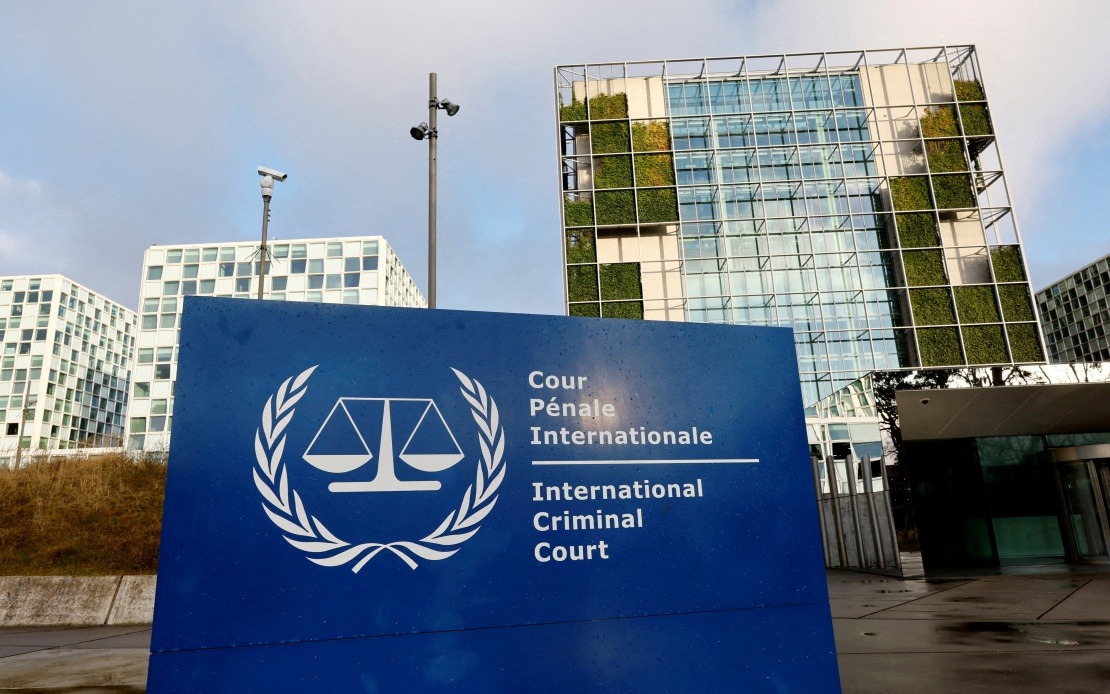
The International Criminal Court has mounted a forceful defence of its institutional independence following the imposition of new American sanctions against two of its senior officials. The targeted individuals include Tomoko Akane of Japan, who serves as the court's president, and Abdoulaye Seye of Senegal, a prominent trial attorney within the Prosecutor's Office. The decision by the United States represents an escalation in its pressure against the institution and reflects deepening tensions between Washington and the global judicial body based in The Hague.
These latest designations bring the total number of ICC personnel operating under US sanctions to a substantial portion of the court's senior leadership. According to statements from the institution, nine of its 18 judges now face American restrictions, alongside both deputy prosecutors, a former prosecutor, and additional staff members. The cumulative effect of these measures has created an unprecedented situation in which a significant layer of the court's decision-making apparatus operates under financial and travel constraints imposed by a single non-member state.
The court's official response characterised the sanctions as fundamentally incompatible with the principles of international law and institutional autonomy. In a statement released Wednesday, the ICC emphasised that such coercive measures represent an assault on the independence and impartiality that any credible judicial institution must maintain. The organisation stressed that its mandate derives from the Rome Statute, the founding treaty signed and ratified by its member states across diverse regions of the world, and that this international consensus cannot be overridden through unilateral action by individual countries.
The sanction regime targeting judicial officials carries particular significance for the broader architecture of international justice. When governments impose penalties on prosecutors, judges, and court staff simply for fulfilling their professional duties—investigating allegations of war crimes, crimes against humanity, and genocide—the message sent extends far beyond the immediate victims of such measures. It effectively challenges the legitimacy of international criminal accountability mechanisms and suggests that powerful states retain the right to circumvent or intimidate institutions that operate beyond their control.
The ICC's statement articulated a concern that resonates throughout the developing world and smaller nations that depend on international legal frameworks for protection. The court noted that these pressures and coercive actions directly impair the capacity of victims of international crimes to access justice, particularly those individuals who have exhausted domestic remedies and turned to the ICC as a forum of last resort. For survivors of atrocities in conflict zones where national courts remain non-functional or compromised, this constraint threatens to leave them without meaningful recourse.
For Malaysian and Southeast Asian observers, the conflict between the United States and the ICC holds particular relevance. Many nations in the region remain either signatories to the Rome Statute or maintain diplomatic relationships with ICC member states. The precedent established by Washington's willingness to sanction international judges and prosecutors could influence how major powers approach other multilateral institutions operating in the region, from maritime dispute resolution bodies to human rights mechanisms. It raises questions about the durability of rules-based international order in Asia-Pacific contexts.
The court has indicated its determination to continue operations unimpeded by these external pressures. Officials stressed that the institution will persist in discharging its mandate with full independence and impartiality, guided by the Rome Statute and motivated by the interests of crime victims worldwide. This declaration of resolve suggests that the ICC views the sanctions not as a legitimate constraint on its operations but rather as politically motivated interference that it can and should ignore.
The response from member states and civil society organisations has offered some counterbalance to American pressure. The ICC welcomed expressions of solidarity from governments, international advocacy groups, and other entities committed to global justice and the rule of law. This backing indicates that despite American opposition, the court retains meaningful support from a coalition of nations and non-state actors who view international criminal accountability as essential to preventing future atrocities.
The broader implications of this confrontation extend to fundamental questions about the hierarchy of authority in international affairs. Can the world's most powerful military and economic actor unilaterally undermine institutions established through treaties and conventions? Conversely, can an international court operate effectively when a major power refuses to recognise its authority and actively opposes its operations? These tensions remain unresolved and will likely shape international relations for years to come, particularly affecting how nations in Southeast Asia navigate between competing great powers and their competing visions of international order.

