The gaming industry stands at a crossroads as Sony's decision to cease physical disc manufacturing signals a fundamental transformation toward entirely digital ecosystems. The move has triggered considerable backlash from collectors and players who value tangible ownership, but it underscores a deeper question about the future viability of games themselves. Unlike books or vinyl records, which can outlast their original formats through preservation efforts, video games face an existential challenge: the hardware and technology infrastructure supporting them becomes outdated, incompatible, or simply ceases to function.
The permanence of physical media is itself an illusion. Disc rot gradually degrades optical storage, consoles become brittle and fail, and the progression from cathode-ray tubes to modern displays creates hardware incompatibility cascading through generations. Solid state drives can suffer data corruption when left unpowered for extended periods. Even seemingly robust plastic discs eventually become unreadable artefacts. Digital code, paradoxically, proves more resilient when preserved properly—it can be transferred, updated, and reinterpreted across different systems as long as institutions and companies maintain commitment to archival practices. This fundamental tension between physical permanence and digital preservation has led the industry toward an unexpected solution: remaking classics from scratch.
Projecting forward several decades reveals the true stakes. As technology evolves exponentially, today's game files may become incomprehensible to future systems. Remakes function as a form of cultural curation, translating artistic intent across technological generations the way restorers preserve paintings or translators adapt literature. Companies like Capcom recognised this necessity early and elevated remake development into a sophisticated craft, moving beyond straightforward technical upgrades to genuine reimagining of how games function and feel.
Nintendo, Ubisoft, and Microsoft have embraced this approach through recent high-profile releases. Their strategy involves far more than graphical polish. Developers have expanded accessibility through multiple control schemes, including innovative mouse-aiming modes that fundamentally alter how players interact with combat systems. These remakes introduce variable difficulty levels, enabling players to experience alternate campaign branches and discover content the original audience might have missed. Such thoughtful design philosophy respects player autonomy while honouring source material.
The Star Fox reimagining exemplifies comprehensive modernisation. The development team rebuilt the entire game using Unreal Engine 5, creating visuals capable of competing with contemporary cinematic titles. Weather effects including fog and snow, coupled with sophisticated dynamic lighting, establish atmospheric immersion impossible in the original. Gameplay mechanics expanded to incorporate mechanics from sequels—vehicle hijacking, expanded Covenant weapon arsenals, and manual power-up activation—creating a richer strategic experience. These weren't arbitrary additions but deliberate choices that contextualise the original within the franchise's evolved design sensibilities.
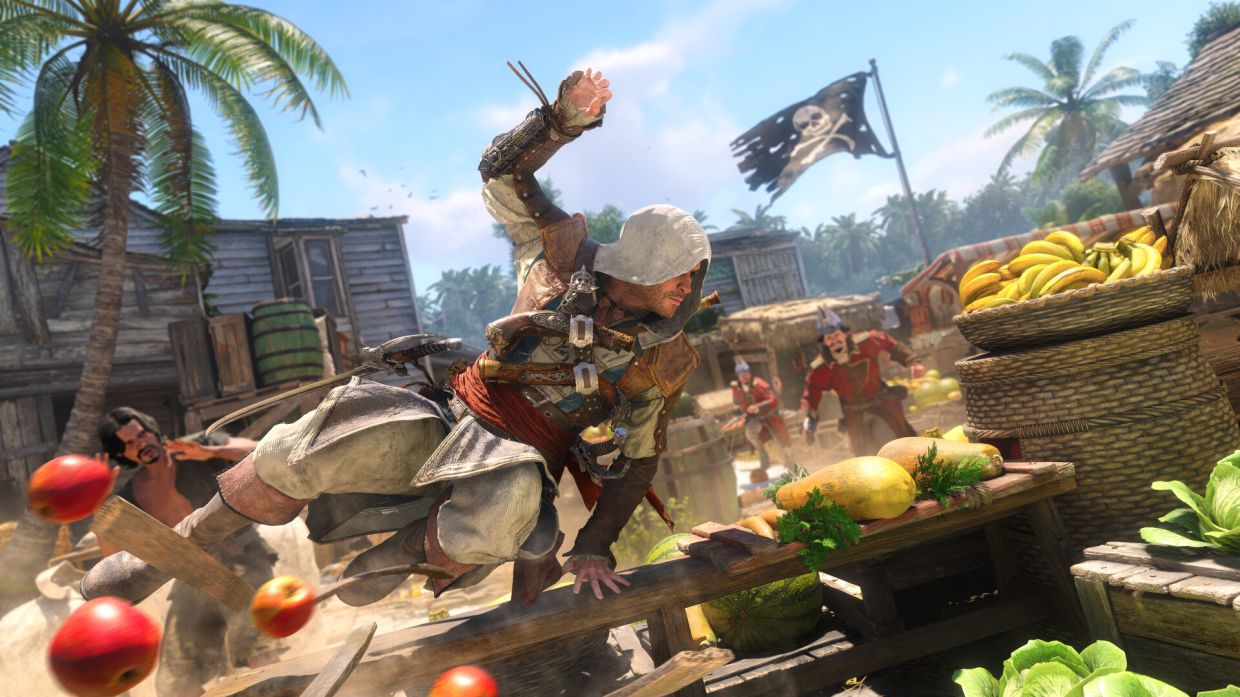
Assassin's Creed Black Flag Resynced demonstrates how remakes can simultaneously satisfy returning players and attract newcomers. Rather than merely refreshing visuals, Ubisoft restructured narrative presentation to emphasise Edward Kenway's pirate saga while reducing reliance on the franchise's increasingly unpopular modern-day framing device. The expanded quest structure and refined story pacing create a tighter, more focused experience than the original. Players describe the sensation of rediscovering a familiar game as if experiencing it fresh—a testament to how thoroughly remakes can recontextualise source material.
Halo's reimagining underwent equally transformative treatment. The developers deconstructed the original architecture entirely, rebuilding mechanics and visual systems with contemporary sensibilities. Accessibility improvements like alternative control schemes and difficulty customisation ensure broader audience inclusion without compromising artistic vision. These additions aren't superfluous; they represent how game design thinking has matured over decades, allowing remakes to incorporate decades of industry learning into beloved foundations.
The philosophical approach underlying successful remakes mirrors literary translation. An exceptional translation captures essence and intent while adapting language, idiom, and cultural context for new audiences. Direct transcription fails because languages embody different worldviews and expressive possibilities. Similarly, remaking a game from 1993 cannot involve copying mechanics wholesale into 2024 systems—the controlling devices differ, player expectations have evolved, visual representation capabilities have transformed entirely. Successful remakes operate as thoughtful interpretations, respecting source material while acknowledging that technology and culture have moved fundamentally forward.
These remakes function as cultural preservation precisely because they refuse mere antiquarian restoration. Purists seeking 100-percent faithful reproductions can pursue original hardware and discs, a path becoming increasingly difficult but still technically possible. However, that minority pursuit shouldn't determine industry strategy. Remakes serve the broader mission: ensuring that gameplay experiences and artistic achievements remain accessible to future generations, not locked away in hardware museums or digital vaults requiring archaeologists to decrypt.
For Southeast Asian audiences, this trend carries particular significance. Gaming represents a primary cultural export and entertainment medium throughout the region, with countries like Malaysia developing competitive esports infrastructure and game development talent pools. Understanding how global publishers preserve and reinvent gaming heritage informs local efforts to build sustainable creative industries. Malaysian developers watching how Capcom, Nintendo, and Ubisoft approach remakes gain insight into balancing commercial viability with artistic legacy.
The shift toward digital distribution and remake culture fundamentally reorganises how future generations experience gaming. Rather than hoarding original copies, the industry bets on active stewardship—studios regularly revisiting and reinventing canonical titles. This demands ongoing investment and creative commitment far exceeding simple code archival. It's a costly, ambitious undertaking that only established publishers can afford, raising questions about which games receive preservation efforts and which fade into obscurity.
Ultimately, these three landmark remakes demonstrate that honoring gaming's past need not mean preserving it in amber. Instead, bringing classics forward involves understanding what made them significant, identifying which elements transcend their era, and thoughtfully incorporating modern possibilities. The games that succeed—that feel fresh to new players while satisfying veterans—achieve this balance through respect for source material combined with confidence in contemporary creative vision. As technology relentlessly advances, this approach increasingly defines how civilisations preserve cultural achievements across mediums.

