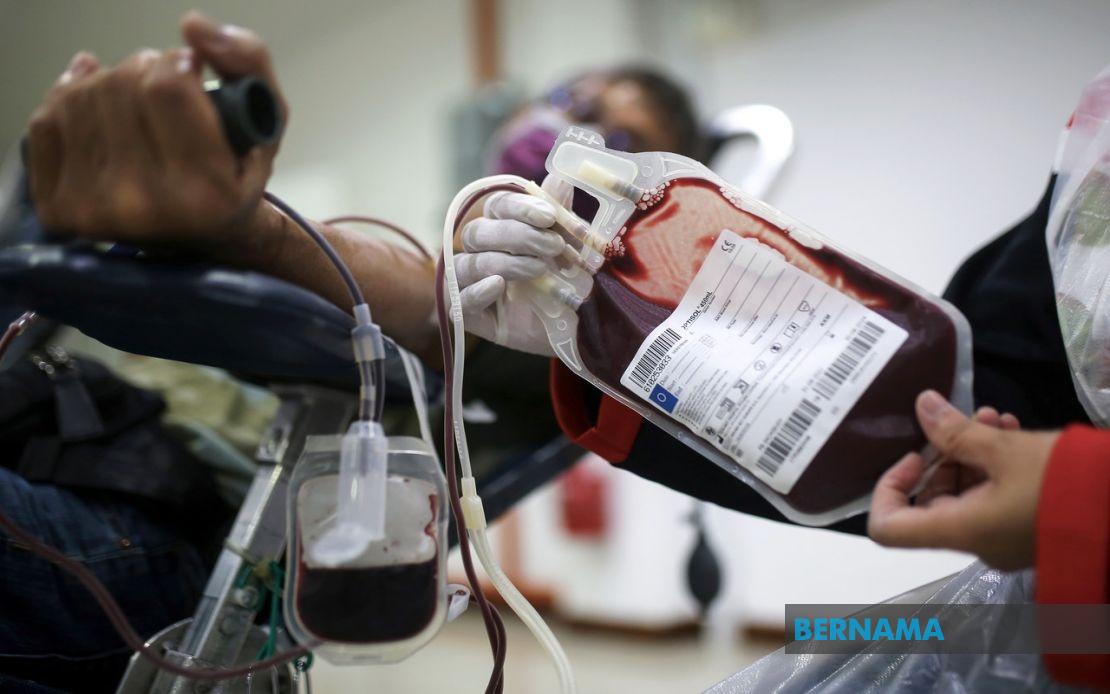
Hospital Sultanah Aminah in Johor Bahru has moved to address an emerging shortage by calling for members of the public to donate blood, particularly those with type O and AB classifications. The facility's Transfusion Medicine Department made the plea public through social media channels, highlighting the pressing need to replenish inventory of these two blood types as demand continues to outpace available supplies. This represents a common challenge in blood banking systems across Malaysia, where maintaining optimal stock levels remains an ongoing operational concern for healthcare providers.
The shortage underscores the delicate balance that blood banks must maintain between supply and demand. While blood donation rates in Malaysia have remained relatively stable, unexpected spikes in transfusions—whether from trauma cases, scheduled surgeries, or patients with chronic conditions requiring regular transfusions—can quickly deplete reserves of specific blood types. Type O blood holds particular significance in emergency medicine because it serves as a universal donor type, making it essential for trauma cases when there is no time to determine a patient's blood type. Type AB blood, conversely, is rarer in the general population, making donors with this classification especially valuable to the system.
To facilitate donations and broaden public participation, Hospital Sultanah Aminah has coordinated with multiple venues and extended donation hours throughout the region. The Johor Blood Donation Centre at Mid Valley Southkey is hosting a campaign running through Sunday, with collection hours from 10 am until 6:30 pm, providing maximum accessibility for working professionals and weekend volunteers. This extended timeframe allows potential donors to fit the process into their schedules without significant disruption to their daily routines.
Parallel to the main donation centre operations, AEON Mall Bukit Indah has been selected as another collection point, operating from 10 am to 3 pm across today, Saturday, and Sunday. The choice of commercial shopping centres as donation venues reflects a modern approach to blood collection, bringing donation facilities directly to high-traffic areas where residents congregate. This strategy has proven effective in expanding the donor base beyond traditional hospital settings and reaching demographics who might otherwise overlook donation opportunities.
Additionally, the HSA Blood Donation Centre itself is accepting donors today and tomorrow from 8 am to 4:30 pm. This on-site facility allows those already visiting or familiar with the hospital environment to contribute conveniently. The staggered scheduling across multiple locations over consecutive days demonstrates a coordinated effort to maximize collection volume while accommodating diverse donor schedules and preferences.
The hospital's Transfusion Medicine Department has made information about donation opportunities readily available through the Johor Bahru Blood Donation Campaign Schedule page, which potential donors can consult to identify venues and timings that suit their circumstances. This digital approach to outreach reflects recognition that many Malaysians now seek information through online channels and social media platforms, making Facebook and dedicated scheduling pages effective communication tools.
From a broader healthcare perspective, blood donation drives serve not merely as crisis responses but as critical infrastructure for the entire medical system. Surgeons performing elective procedures, emergency departments managing trauma patients, and oncology units supporting cancer patients all depend on reliable blood supplies. When stocks fall below safe operating levels, hospitals may need to postpone non-emergency procedures, potentially affecting hundreds of patients awaiting treatment. The ripple effects of blood shortages thus extend far beyond the immediate concern of maintaining transfusion services.
Malaysia's blood supply challenges reflect demographic and social patterns common across Southeast Asia. Aging populations require more transfusions, while younger generations must be educated about the importance of regular donation. Cultural considerations, misconceptions about health risks, and competing demands on public time all influence donation rates. Healthcare systems in the region have increasingly recognized that maintaining adequate blood supplies requires sustained community engagement rather than occasional emergency appeals.
The particular focus on types O and AB suggests that current consumption patterns have depleted these categories disproportionately. This may reflect both usage statistics—type O's universal donor status making it frequently requested—and demographic distribution of donors in Johor Bahru's population. Understanding these patterns helps blood banks predict future shortages and tailor awareness campaigns accordingly.
For Malaysian readers, particularly those in Johor, this appeal presents an opportunity to contribute directly to public health. The donation process itself takes approximately 30 to 45 minutes from registration through recovery, and donors can typically donate every three months. The convenient venue options and extended hours this week lower barriers to participation. Potential donors are encouraged to verify their eligibility beforehand—generally, donors must be aged 18 to 60, weigh at least 45 kilograms, and be in good health.
The hospital's proactive communication through multiple channels reflects evolving standards in healthcare emergency management. Rather than waiting for crises to force reactive measures, institutions now regularly assess inventory levels and issue timely appeals to prevent shortages. This data-driven approach to blood banking has improved outcomes across developed health systems and is gradually being implemented throughout Malaysia's public healthcare network.
Ultimately, the success of Hospital Sultanah Aminah's appeal will depend on community response. Regular blood donation from a committed donor base provides the most sustainable solution to supply challenges. Residents of Johor Bahru who meet eligibility criteria and have not donated recently should consider participating in one of the scheduled drives, recognizing that their contribution potentially saves lives and supports countless patients requiring transfusions across the health system.

