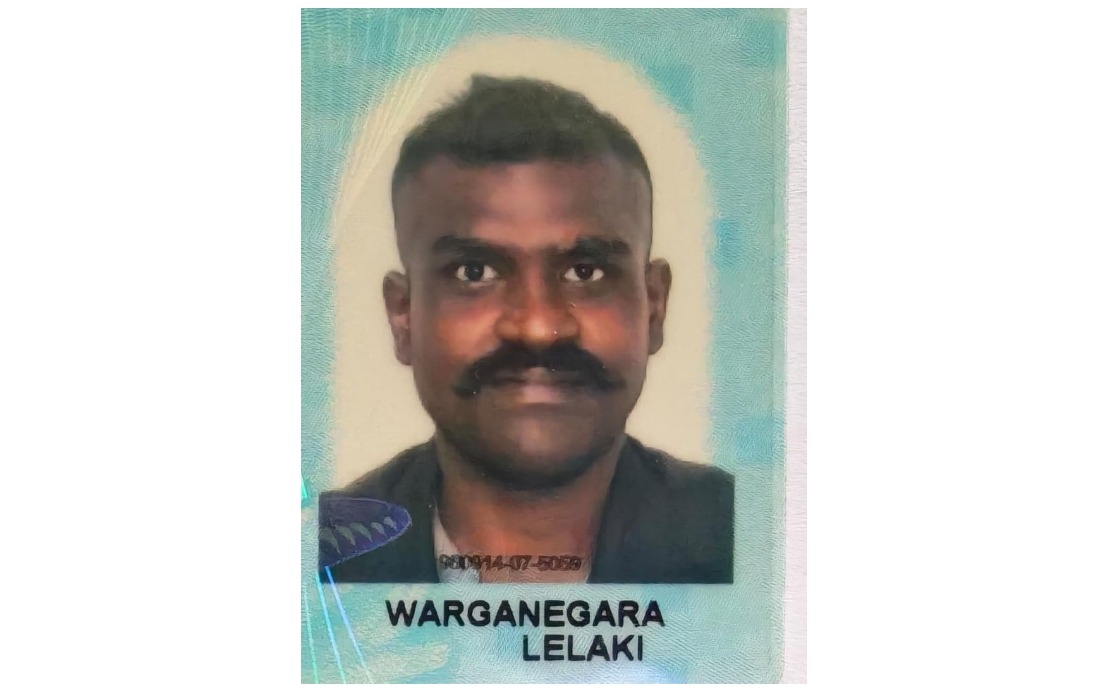
Sungai Bakap Hospital (HSB) in Nibong Tebal has launched a public appeal to locate the next of kin of M. Balakrishnan, a 29-year-old man who died on August 10 after receiving extended medical care at the facility since May. The hospital's announcement underscores a poignant challenge facing healthcare institutions across Malaysia: the treatment and dignified handling of patients with no identified family support system or social connections.
According to the hospital's statement, Balakrishnan succumbed to severe sepsis complicated by multi-organ failure at 6:53 pm in Ward 3. His remains have since been retained at the hospital's Forensic Medicine Unit pending identification of family members and arrangements for his funeral. The case reflects the broader issue of vulnerable populations within Malaysian society who lack stable housing and family networks, placing them in precarious circumstances when medical emergencies arise.
The patient's journey through the healthcare system began when he was transferred from Bukit Mertajam Hospital to HSB on May 27. At that point, he was classified as homeless and was being processed for placement at a care facility managed by the Social Welfare Department (JKM). During his three-month hospitalisation, no relatives, friends, or known associates visited him, leaving medical staff unable to gather any personal or familial information that might aid in locating his family.
Efforts by hospital authorities to identify Balakrishnan's relatives have proven frustrating. The National Registration Department (JPN) was consulted and provided a last known address listed as No. 19, Jalan Sungai Buloh, Taman Segar, Kampung Baru Subang, Selangor. However, when police conducted verification checks at that location, officers discovered that the premises were occupied by a Malay family with no connection to Balakrishnan or knowledge of his whereabouts or relatives. This dead end illustrates how quickly contact information can become obsolete among homeless or transient populations.
The situation raises questions about Malaysia's social safety nets and how effectively government agencies coordinate to support individuals without family structures. The involvement of JKM in attempting to arrange placement suggests that social welfare authorities were aware of Balakrishnan's vulnerable status, yet communication gaps appear to have prevented comprehensive documentation of his background or family connections before his medical condition deteriorated.
From a public health perspective, the case highlights the challenges hospitals face when treating unidentified or socially isolated patients. Healthcare institutions must balance their obligation to provide medical care with their responsibility to maintain proper records and facilitate dignified resolution when patients pass away. Extended hospital stays by patients without next of kin also create resource allocation questions for already-stretched public healthcare facilities in Malaysia.
The hospital's decision to appeal publicly for information demonstrates a commitment to ensuring Balakrishnan's remains are treated with appropriate respect and that, if family members exist, they have the opportunity to claim his body and arrange proper funeral rites according to their cultural or religious practices. This approach recognises the dignity owed to all individuals, regardless of their social circumstances at the time of death.
For Malaysian readers, this case serves as a sobering reminder of homelessness and social disconnection within communities. It also underscores the importance of maintaining updated identification documents and ensuring that vulnerable individuals have at least one person designated as their emergency contact or next of kin. Many homeless or transient individuals may not prioritise such administrative matters, yet the consequences can be significant if medical intervention becomes necessary.
The hospital's appeal represents a last resort in a difficult situation. Members of the public with any knowledge of Balakrishnan, his family connections, or information that might help authorities locate his relatives are being encouraged to step forward. Anyone with relevant details is advised to contact Sungai Bakap Hospital to assist in resolving this matter and enabling proper closure for Balakrishnan's family, should they be located.
This case also illuminates the intersection between healthcare, social welfare, and public administration in Malaysia. Coordinating between JKM, JPN, hospital authorities, and police demonstrates the multi-agency approach required when handling such situations, though gaps in communication and record-keeping may still result in individuals falling through the cracks. As Malaysia continues to address poverty and homelessness, ensuring robust systems to track and support vulnerable populations becomes increasingly critical for both humanitarian and practical reasons.

