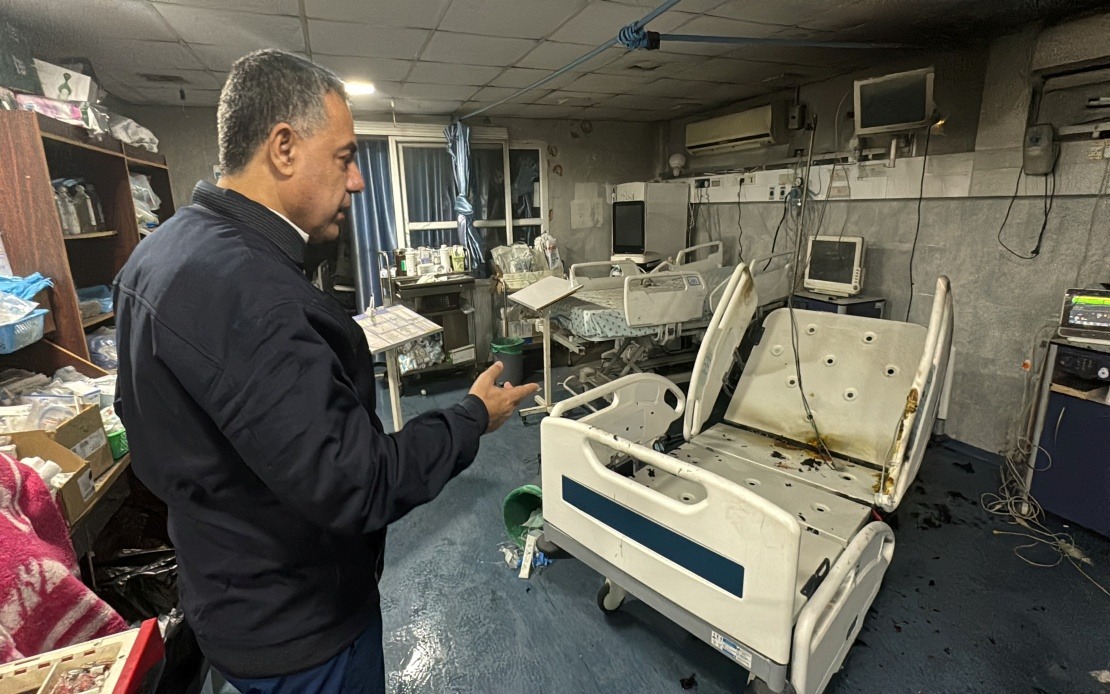
A human rights organisation has sounded an urgent alarm over the wellbeing of Dr Hussam Abu Safiya, the director of Kamal Adwan Hospital in northern Gaza, following his detention and transfer to Nitzan Prison in Israel. The deterioration in his physical and mental condition, documented by lawyers during recent prison visits, has prompted fresh calls for his immediate release and raises troubling questions about the treatment of medical professionals caught in armed conflict.
Physicians for Human Rights, through its legal representative Nasser Odeh, documented a deeply concerning picture of Dr Abu Safiya's current state during a July 2 visit to the facility. The hospital director, who remained shackled at the hands and feet throughout the meeting while surrounded by masked guards, bore visible evidence of what the organisation characterises as severe physical assault. Fresh injuries and extensive bruising marked his head, eyes, ears, and neck regions, according to the lawyer's account, rendering him nearly unrecognisable to those familiar with his appearance.
Beyond the immediately visible wounds, the medical and psychological signs paint an even more troubling portrait of his detention experience. Dr Abu Safiya reportedly suffered breathing difficulties and experienced repeated episodes of loss of consciousness during the meeting with his lawyer, suggesting either untreated medical complications or the lingering effects of trauma. The repetitive nature of these conscious episodes particularly alarmed observers, as such symptoms can indicate serious underlying neurological or respiratory complications requiring urgent medical intervention.
The legal representative's testimony has proven sufficiently disturbing that Naji Abbas, director of the Prisoners and Detainees Department at Physicians for Human Rights Israel, characterised it as among the most alarming accounts the organisation has documented throughout the current conflict. This assessment carries weight given the organisation's extensive experience monitoring detention conditions and interviewing prisoners across multiple conflicts in the region. The gravity with which Abbas framed the situation underscores the exceptional nature of these allegations.
Particularly striking is Dr Abu Safiya's own expressed fear for his survival. During the July 2 visit, he communicated genuine concern that his life remained in immediate danger while in custody, a statement that suggests either direct threats, systematic mistreatment, or the prisoner's reasonable assessment of conditions within the facility. Such statements from detainees, when corroborated by independent observers like lawyers, typically trigger urgent international scrutiny and demands for intervention.
The human rights organisation has connected the apparent deterioration in Dr Abu Safiya's condition directly to his recent legal proceedings. According to available accounts, his health status markedly worsened following his appearance in court to challenge the continuation of his detention. This temporal relationship—between his assertion of legal rights and the visible manifestation of injuries and health complications—has prompted questions about potential retaliatory treatment or punitive actions against prisoners who resist their continued incarceration.
The broader context involves the detention of medical personnel without formal charges or trials, a practice that Physicians for Human Rights Israel has identified as extending beyond Dr Abu Safiya alone. The organisation has called for the release of multiple doctors held under similar circumstances, suggesting a pattern rather than an isolated case. This development carries particular significance for medical professionals globally, as it raises concerns about the safety of healthcare workers operating in conflict zones and their vulnerability to detention when they remain at facilities serving civilian populations.
Israeli authorities bear direct legal and moral responsibility for the health, safety, and wellbeing of all individuals in their custody, as established under international humanitarian law and the Geneva Conventions. Physicians for Human Rights has stressed this fundamental obligation and called for urgent intervention from relevant authorities to ensure Dr Abu Safiya receives necessary medical care and protection from further harm. The organisation has simultaneously demanded an immediate and independent investigation into the circumstances surrounding his injuries and current condition.
For Southeast Asian readers and observers of international humanitarian law, this situation illustrates the vulnerability of medical professionals during armed conflicts and the importance of safeguarding healthcare workers and facilities from targeting or punitive action. The alleged treatment of Dr Abu Safiya, should the claims be substantiated, would represent a serious breach of principles protecting medical personnel established under international humanitarian law, regardless of the political context or justified concerns about security.
The case also demonstrates how detention practices, even when conducted by state authorities, remain subject to international scrutiny and accountability mechanisms. Human rights organisations monitoring the situation have called attention to allegations that might otherwise remain hidden or unexamined, ensuring that international standards and legal obligations receive public attention. For Malaysia and other nations committed to upholding international law, such cases underscore the importance of maintaining independent monitoring capacity and vocal advocacy for vulnerable detainees.
The sequence of documented events—the initial detention, the evident physical injuries, the medical symptoms, the court challenge, the apparent deterioration—creates a narrative that demands explanation and accountability. Whether the injuries resulted from interrogation practices, prison conditions, or other causes, the severity and timing require thorough investigation by independent authorities with no stake in the outcome. The international community's response to such allegations ultimately reflects its commitment to consistent application of humanitarian principles across all contexts and conflicts.

