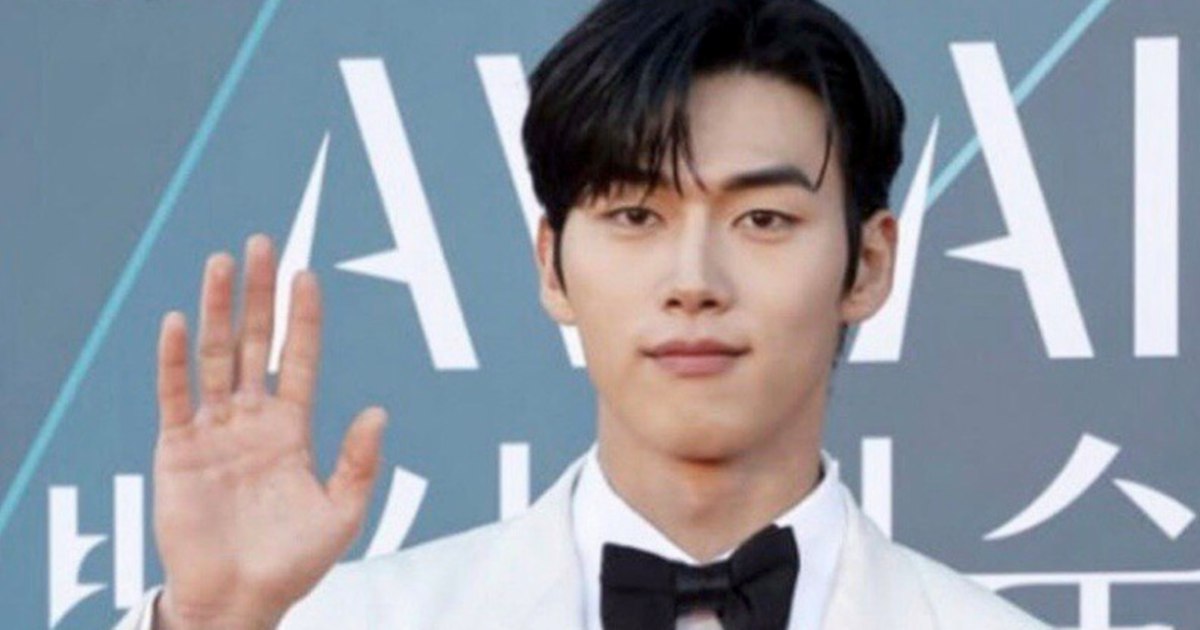
The entertainment world has been rocked by fresh controversy as South Korean actor Hong Min-gi finds himself at the centre of an escalating dispute following claims of mistreatment made by an unnamed influencer identified only as A. The allegations, which encompass both verbal and physical abuse allegedly perpetrated during their romantic relationship, have triggered swift and combative responses from the actor's representatives.
Hong Min-gi's agency has issued an unequivocal denial of every accusation levelled against the performer, rejecting the narrative presented by the former girlfriend with a stark refusal to acknowledge any wrongdoing. The categorical nature of this denial signals the seriousness with which the agency views these allegations and their potential ramifications for the actor's career and public standing. Rather than adopting a measured or conciliatory tone, the organisation has chosen to mount a vigorous defence, framing the situation as a matter requiring formal legal intervention.
In a move that reflects the combative approach now common in celebrity disputes across South Korea's entertainment industry, Hong Min-gi's agency has announced its intention to pursue legal action against those responsible for disseminating the abuse claims. This response mechanism—swift legal threats coupled with blanket denials—has become standard practice when high-profile entertainers face such allegations, though the effectiveness of this strategy in managing public perception remains contested among industry observers and communications specialists.
The emergence of such allegations against a performing artist carries substantial implications for career trajectory and public image, particularly in South Korea where entertainment consumers maintain notably engaged social media communities. The naming convention of simply identifying the accuser as A suggests either ongoing legal sensitivities, personal safety concerns, or deliberate efforts to shield the former girlfriend's identity from intense public scrutiny. This anonymity, however, does not diminish the seriousness with which observers and industry commentators are treating the matter.
The case arrives at a moment of heightened sensitivity regarding workplace conduct and interpersonal relationships within South Korea's entertainment sector. In recent years, the nation has witnessed multiple high-profile scandals involving allegations of misconduct by celebrities, many of which have resulted in career terminations, legal convictions, and substantial shifts in public perception. Each new allegation therefore arrives within this context of increasing accountability and changing cultural attitudes toward power dynamics and abuse.
For Malaysian and broader Southeast Asian audiences following Korean entertainment, such controversies offer insight into how the region's most influential cultural export—its television and film industry—navigates scandal, accountability, and public trust. The mechanisms through which Korean entertainment companies respond to allegations, including legal strategies and public relations approaches, often establish patterns that ripple across the region's entertainment ecosystem.
The agency's resort to legal action represents a calculated gambit to establish control over the narrative and potentially discourage further public discussion of the allegations. By positioning itself in an aggressive posture, the organisation aims to signal that it will not tolerate what it characterises as false or malicious claims. However, legal threats can also amplify public interest and invite further scrutiny, particularly in an era when social media enables rapid information sharing that outpaces formal legal proceedings.
The distinction between verbal and physical abuse allegations introduces multiple layers of complexity to the matter. Physical abuse claims typically trigger more immediate and severe public condemnation, as they raise concerns about safety and bodily harm. Verbal abuse allegations, while sometimes viewed as less grave, can nonetheless be deeply damaging to an individual's psychological wellbeing and establish patterns of toxic behaviour within relationships. The combination of both categories suggests a pattern of alleged mistreatment rather than isolated incidents.
Hong Min-gi's situation exemplifies the vulnerability of public figures in an age of digital accountability, where former partners, colleagues, and associates possess unprecedented capacity to amplify their voices and compel institutional responses. The influencer status of his accuser indicates someone with meaningful audience reach and platform presence, amplifying the potential for widespread dissemination of allegations regardless of verification status.
As this dispute develops, the coming weeks will likely reveal whether Hong Min-gi's agency's legal strategy succeeds in limiting further escalation or whether additional evidence, witnesses, or corroborating accounts emerge to complicate the simple denial-counterattack framework currently being employed. The trajectory of this case will meaningfully influence how similarly situated disputes unfold across the Korean entertainment industry and may establish precedent regarding the balance between protecting individuals' reputations and ensuring credible allegations receive appropriate investigation.
For industry observers and entertainment professionals across Asia, the Hong Min-gi case serves as a reminder of the persistent tension between celebrity status, public accountability, and legal protections. Whether the matter resolves through legal proceedings, settlement, or public vindication will significantly impact not only Hong Min-gi's career but also broader cultural conversations about power, responsibility, and the changing expectations placed upon public figures.

