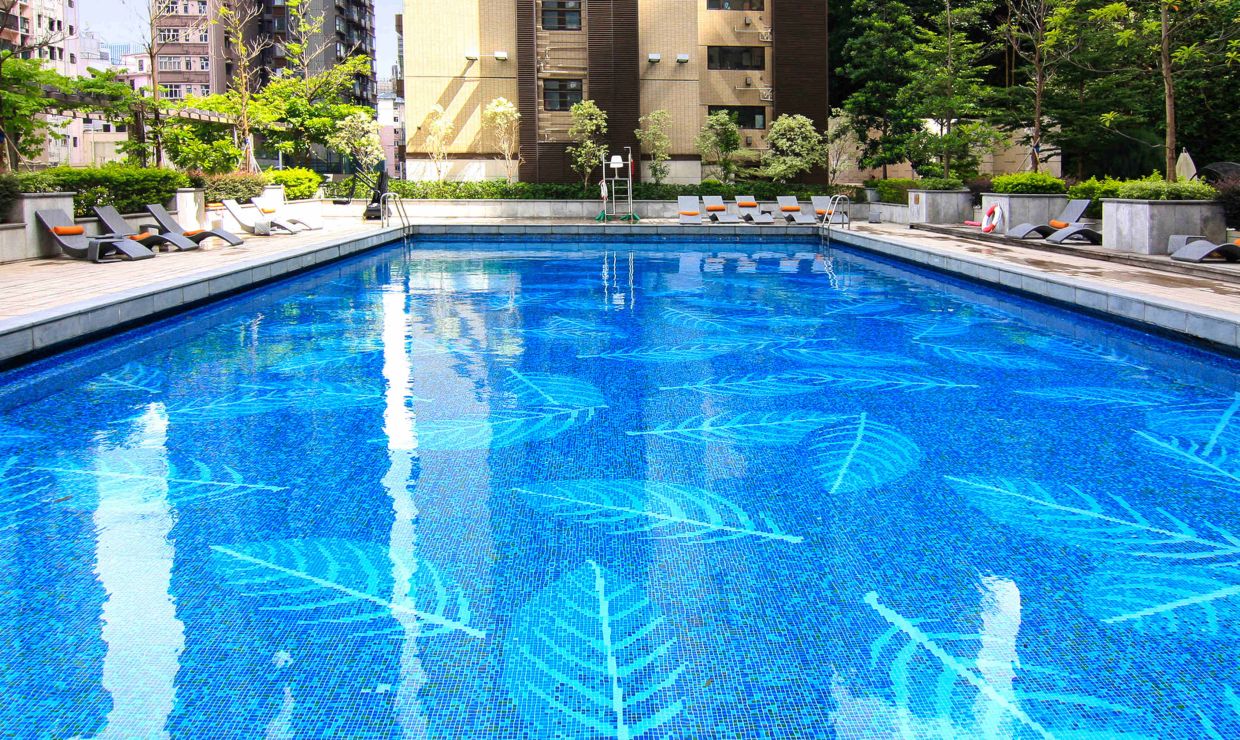
A private swimming pool in Hong Kong's upmarket Happy Valley neighbourhood has been forced to cease operations after government inspectors uncovered evidence that a lifeguard employed at the facility was working under fraudulent qualifications. The Food and Environmental Hygiene Department (FEHD) announced the immediate closure of the pool at 1-5 Ventris Road, located within the Winfield Building private housing estate, following verification failures with the Hong Kong China Life Saving Society. The discovery represents a serious breach of public safety protocols and has triggered both criminal and regulatory proceedings against the facility's operators.
The investigation unfolded after FEHD officers submitted a batch of lifeguard employment records for verification on Wednesday, with results coming back the following day revealing discrepancies in the credentials of at least one attendant. Upon learning that the lifeguard's qualifications did not match official records maintained by the Hong Kong China Life Saving Society, authorities determined that the pool no longer maintained the legally mandated complement of qualified safety personnel and issued an immediate closure order. Government officials stated that the licensee's failure to ensure sufficient qualified lifeguards on duty during operating hours constitutes a violation of both the Swimming Pools Regulation and their facility licence conditions.
The regulatory response has extended beyond the pool closure itself. FEHD indicated it is preparing a prosecution case against the pool's licensee for operating in breach of licensing requirements, while the suspected use of fraudulent credentials has been referred to Hong Kong police for criminal investigation. The discovery has also triggered notification to the Property Management Services Authority, signalling a coordinated multi-agency approach to addressing the breach. Notably, authorities have not publicly disclosed whether the lifeguard in question has been arrested, suspended, or removed from duty, leaving questions about individual accountability partly unanswered.
This incident reflects mounting concerns about credential verification lapses at private swimming facilities across Hong Kong. To address such vulnerabilities, the FEHD implemented enhanced regulatory requirements beginning in May of last year, mandating that all private pool licensees verify lifeguards' identity documents before engagement and maintain copies of lifeguards' Pool Lifeguard Awards certificates and personal logbooks. Additionally, duty rosters must now be verified and counter-signed by both the lifeguards themselves and designated inspecting staff appointed by the pool operators. These measures were introduced following previous instances of unqualified personnel working at pools, highlighting a systemic gap in oversight that had persisted before tightening.
The scale of regulatory activity suggests authorities have substantially ramped up enforcement intensity. Between January and July this year, FEHD officers conducted approximately 7,000 inspections across more than 1,400 licensed private pools throughout Hong Kong, with particular focus on verifying the credentials of around 2,100 lifeguards. These figures indicate systematic rather than sporadic checking, yet the Happy Valley discovery demonstrates that fraudulent documentation can still slip through even with heightened vigilance. The previous detection of another unqualified lifeguard case in the year following the introduction of enhanced measures further underscores that document fraud, while now more actively pursued, remains an occasional reality in the sector.
The implications for swimming facility users are significant. The closure leaves residents of the Winfield Building without immediate access to their estate's swimming amenities, potentially for an extended period depending on how quickly the licensee can address the underlying compliance failures. For broader public confidence, the incident reinforces that privately operated pools, though subject to licensing oversight, require continuous monitoring to prevent corners from being cut on safety staffing. The public nature of the investigation and the swift enforcement action signal to other operators that credential fraud will be taken seriously and punished.
The regulatory environment in Hong Kong appears to be hardening around pool safety, driven by legitimate concerns that unqualified lifeguards present genuine drowning risks. The department's spokeswoman emphasised that swimming pool licensees bear absolute responsibility for compliance with regulations and licensing terms, explicitly stressing the imperative to maintain sufficient qualified life-saving personnel during all operating hours. This language suggests zero tolerance for excuses or procedural failures. The increase in surprise inspections and spot checks planned by FEHD during the peak summer swimming season indicates sustained enforcement momentum.
From a regional perspective, Hong Kong's crackdown offers lessons for other Southeast Asian jurisdictions with growing private leisure industries. Malaysia, Singapore, and Thailand similarly rely on private pool operators and have experienced occasional safety lapses. Hong Kong's approach of combining document verification requirements, inspector sign-offs, and surprise inspections represents a plausible model for closing vulnerabilities that other countries might adopt or adapt. The willingness to prosecute licensees and refer cases to police sends a clear message that profit-driven cutting of corners on safety will incur both financial and reputational penalties.
The incident also raises questions about how fraudulent credentials were originally obtained and whether broader document forgery networks may be involved. The FEHD's referral to police suggests authorities are investigating whether the lifeguard acted alone or was part of a larger scheme. Such investigation would be particularly relevant if multiple facilities have employed individuals with falsified qualifications, as that would indicate a more systemic problem requiring wider remediation efforts beyond the single Happy Valley pool.
Pool operators within Hong Kong and the broader region should expect that regulatory environments will continue tightening around credential verification. Licensees who have been lax about examining identity documents or maintaining proper logbooks would be prudent to undertake immediate internal audits before inspectors arrive. The cost and inconvenience of such compliance are minimal compared to the reputational damage, legal liability, and potential criminal charges facing operators caught with unqualified personnel on duty. The Happy Valley case serves as a cautionary example of how a single individual's fraudulent credentials can cascade into facility closure and regulatory investigation that affects entire property communities and their residents.

