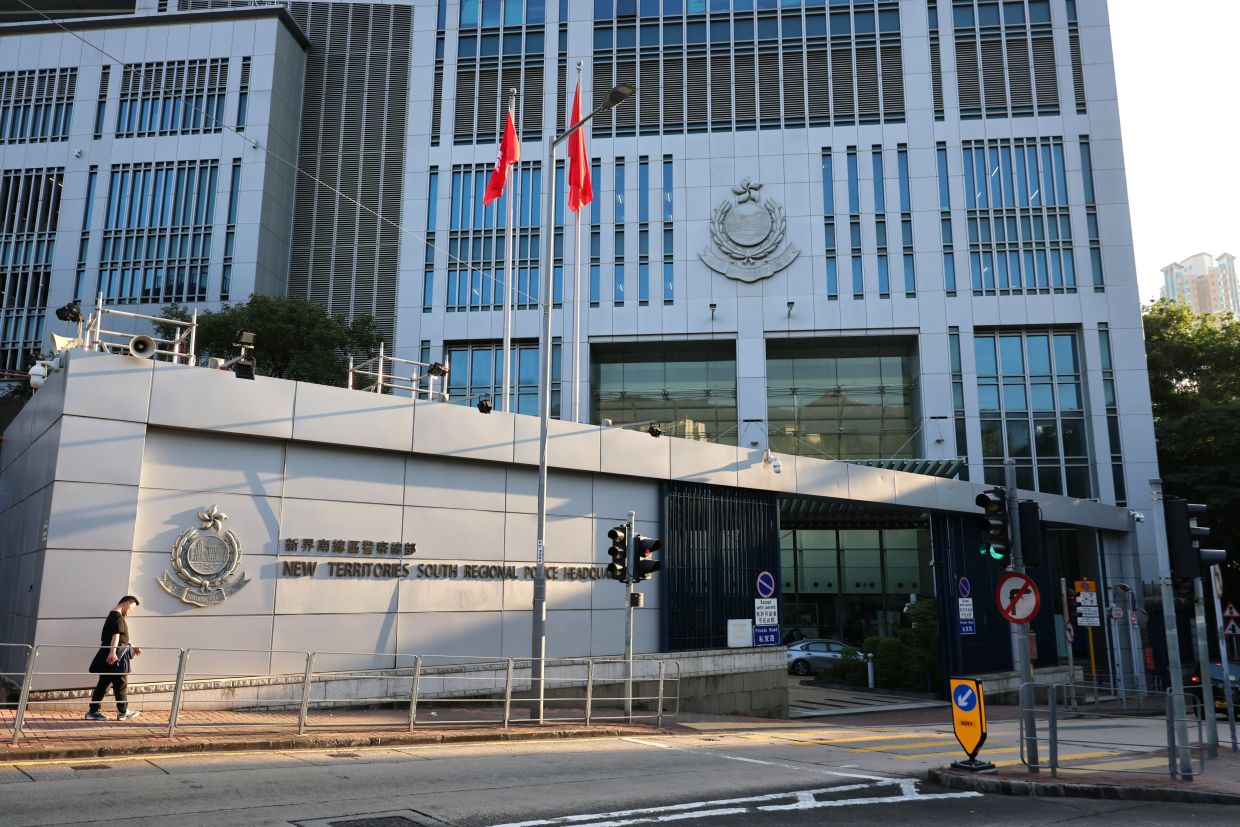
A Hong Kong police officer has been formally charged with misconduct in public office following allegations that he sent inappropriate messages to a woman during an official investigation. The 32-year-old constable, attached to the Kwai Tsing police district, was detained on August 20 by officers from the New Territories South regional crime unit, according to a police spokesman's statement released Thursday.
The incident centres on a May investigation in which the officer allegedly exploited his official position to make unauthorised contact with an acquaintance of one of the suspects under investigation. During this interaction, he purportedly transmitted sexually explicit text messages and images to the woman, raising serious concerns about the abuse of police authority and the violation of privacy during law enforcement operations. The woman did not immediately report the behaviour, but came forward to police later that same month with her complaint.
The allegations represent a significant breach of professional standards within the Hong Kong Police Force, an institution that has faced increasing scrutiny over officer conduct in recent years. The specificity of the charges—misconduct in public office rather than a more general disciplinary matter—suggests that investigators determined the officer's actions constituted a criminal violation rather than a mere internal conduct breach. This distinction carries considerable weight in terms of both legal consequences and institutional accountability.
Following a thorough inquiry into the complaint, the officer was formally charged with a single count of misconduct in public office. He is scheduled to make his first court appearance at Sha Tin Court on Friday, where bail conditions and further proceedings will be determined. In the interim, the officer has been suspended from all police duties, effectively removing him from active service pending the outcome of legal proceedings.
The case underscores the vulnerability of civilians who interact with law enforcement, particularly those tangentially connected to criminal investigations. The woman in this instance occupied an especially precarious position—associated with someone under investigation but not herself the subject of official scrutiny. This made her susceptible to unwanted contact and pressure from an officer wielding the authority of his badge. The fact that she eventually reported the conduct demonstrates the importance of confidence in institutional mechanisms for addressing such complaints.
Police leadership in Hong Kong has responded swiftly to the incident, with an official spokesman emphasising that the force maintains zero tolerance for unlawful behaviour by its personnel. The statement stressed that the Police Force attaches considerable importance to the conduct and integrity of all officers, signalling a commitment to internal accountability even when cases reach the level of criminal charges. Such public positioning is crucial for maintaining public confidence in law enforcement, particularly in jurisdictions where police-community relations face ongoing tension.
The incident reflects broader concerns across Asia-Pacific policing agencies regarding the conduct of officers and their interactions with the public. Hong Kong's police force, one of the largest in the region, has in recent years implemented various reforms and oversight mechanisms designed to enhance accountability. Cases such as this one, where internal investigations lead to criminal charges, demonstrate that these systems are at least technically operational, though critics continue to question their overall effectiveness and independence.
For Malaysian observers, the case presents cautionary implications for regional law enforcement standards. As police forces across Southeast Asia adopt modernised investigation techniques and digital communication methods, the potential for misuse of official authority extends into new spheres. The protection of witnesses and suspects' associates—those who may have limited knowledge of their rights or awareness of reporting mechanisms—remains an area requiring systematic attention across the region's police services.
The broader context involves questions about recruitment, training, and institutional culture within police forces. A single officer's criminal behaviour may reflect individual failings, but patterns of misconduct often point to systemic issues in supervision, professional development, or departmental accountability mechanisms. The Hong Kong Police Force's public commitment to addressing the matter will be tested by how thoroughly it examines whether this case represents an isolated incident or a symptom of deeper institutional vulnerabilities.
The trial process and eventual verdict will carry significance beyond the individual officer's fate. The handling of the case—from investigation through prosecution to judicial outcome—will send signals about how seriously authorities treat allegations of abuse of power by law enforcement. For regions grappling with public trust in policing institutions, cases involving sexual misconduct by officers carry particular weight, as they strike at foundational concerns about safety and dignity in citizen-police interactions.
Looking ahead, the case may prompt renewed examination of protocols governing police contact with individuals connected to investigations. Clear guidelines, documented communication procedures, and enhanced oversight of officers' digital communications are measures that progressive police services increasingly implement to prevent similar incidents. The Hong Kong case serves as a reminder that institutional reforms and accountability mechanisms require constant vigilance and investment to remain effective.

