Hong Kong authorities have dismantled a phishing operation run from a hotel room, leading to the arrest of two men accused of swindling residents out of more than HK$500,000 through a coordinated campaign of deceptive text messages and fraudulent calls. Police announced the arrests on Saturday, revealing that the 31-year-old and 44-year-old suspects were taken into custody the previous Thursday on suspicion of conspiracy to defraud, marking a significant crackdown on organised digital crime in the territory.
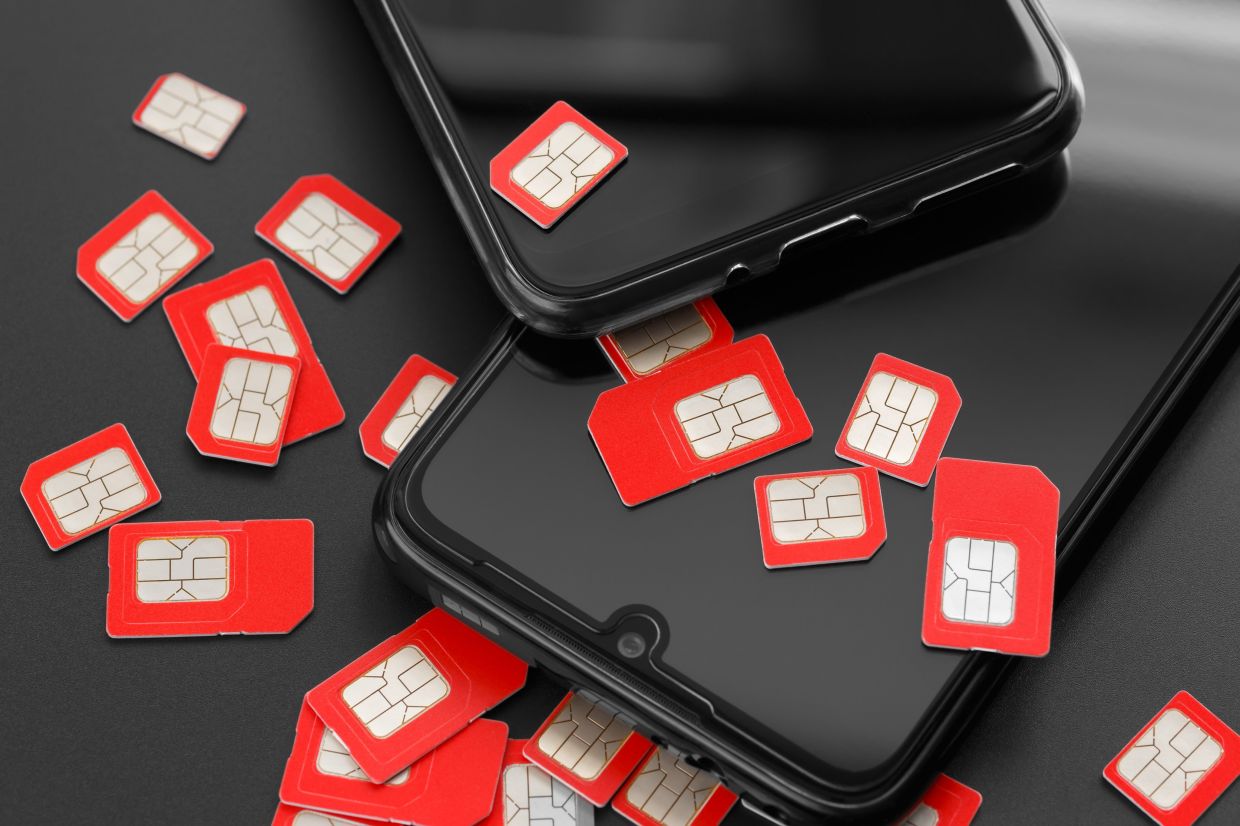
The investigation uncovered a remarkably sophisticated infrastructure designed to facilitate mass fraud at scale. Officers raiding the hotel operations centre discovered a modem pool—a specialized device enabling simultaneous control of multiple SIM cards—along with nine mobile phones and 110 SIM cards that formed the backbone of the scam apparatus. This technical setup allowed the perpetrators to send coordinated waves of phishing messages while maintaining operational security through distributed communications channels, a tactic commonly employed by organised crime syndicates.
Inspector Kwan Yat-hei of the fraud division under the force's commercial crime bureau explained that the suspects had systematically acquired bulk quantities of SIM cards registered under different individuals' names. This practice of using multiple registered identities to obtain SIM cards represents a deliberate circumvention of Hong Kong's real-name registration requirements, which have been mandatory since March 2022. The deliberate circumvention suggests these individuals possessed access to multiple identities or had recruited accomplices to serve as nominal cardholders.
The scam itself employed two primary deception vectors that exploited consumer familiarity with legitimate commercial transactions. In one variation, fraudsters impersonated delivery company representatives, claiming victims had uncollected parcels awaiting pickup. In the other, perpetrators posed as employees of online payment platforms, alleging that victims had mistakenly subscribed to insurance plans and urgently needed to cancel them to avoid charges. Both scenarios were designed to trigger immediate psychological urgency, compelling victims to respond hastily without verifying legitimacy through official channels.
Once victims engaged with these initial messages, the operation proceeded to a secondary phase involving voice calls. Fraudsters directed contacted individuals to call fake customer service hotlines, where accomplices on the other end employed social engineering techniques to extract sensitive financial information or convince victims to transfer funds directly to designated bank accounts. Police indicated that the suspects deployed various pretexts during these calls to justify money transfers, adapting their narratives to match the original false premise of each victim's contact.
The scale of the operation became apparent through forensic analysis of the seized equipment and communications records. Investigators determined that the suspects had transmitted more than 2,000 suspected scam messages through their SIM card network. Authorities cross-referenced intercepted phone numbers against recently reported fraud cases, establishing connections between the seized apparatus and legitimate victim complaints totalling more than HK$500,000 in losses. This linkage between technical infrastructure and actual reported crimes provided substantial evidence for the conspiracy charges.
The authorities have signalled that the investigation remains ongoing and that additional arrests are anticipated. Police believe other individuals may have participated in various roles within the operation, from recruiting nominal SIM cardholders to manning the fake customer service lines or facilitating fund transfers through complicit bank accounts. The scale of infrastructure suggests this was not a two-person operation but rather the visible tip of a larger criminal network.
Inspector Kwan issued urgent guidance to Hong Kong residents regarding protective measures against similar schemes. He specifically cautioned against calling numbers appearing in unsolicited text messages, a practice that would circumvent the scammers' initial contact barrier and place victims directly into the social engineering phase. He also emphasised the legal and criminal risks for those who lend or sell their SIM cards to third parties, warning that individuals facilitating illicit SIM card usage face potential criminal liability as accomplices.
Under Hong Kong law, conspiracy to defraud carries a maximum sentence of 14 years' imprisonment, providing substantial leverage for prosecutors to encourage cooperation and confession. The severity of sentencing reflects the territory's determination to combat organised fraud, particularly schemes targeting mass audiences through technological means. For the two arrested men, conviction could result in lengthy incarceration.
This operation highlights evolving vulnerabilities in how fraudsters exploit telecommunications infrastructure to conduct mass deception campaigns. While Hong Kong implemented real-name SIM registration requirements in 2022, this case demonstrates that determined criminals continue to circumvent such measures through acquiring cards under multiple identities or recruiting straw purchasers. The technical sophistication of the modem pool setup and the scale of messaging distribution indicate that such operations require ongoing evolution of enforcement tactics to address.
For Malaysian and Southeast Asian readers, this case underscores the regional nature of telecommunications fraud and the importance of vigilance against similar schemes. The tactics employed—impersonating delivery services and payment platforms—are universal in their applicability and have been reported across the region. Collaboration between regional law enforcement agencies becomes increasingly vital as criminal networks exploit cross-border communications infrastructure. The Hong Kong case also emphasises the need for continued public education campaigns warning residents against engaging with suspicious unsolicited communications.

