A Hong Kong court has sentenced a 65-year-old repeat sexual offender to four months in prison after he was convicted of groping a secondary school student aboard a public bus in broad daylight. The case drew significant public attention after bystanders filmed the incident and circulated the video on social media platforms, prompting swift police action and reflecting growing community concern about harassment on public transportation in the territory.
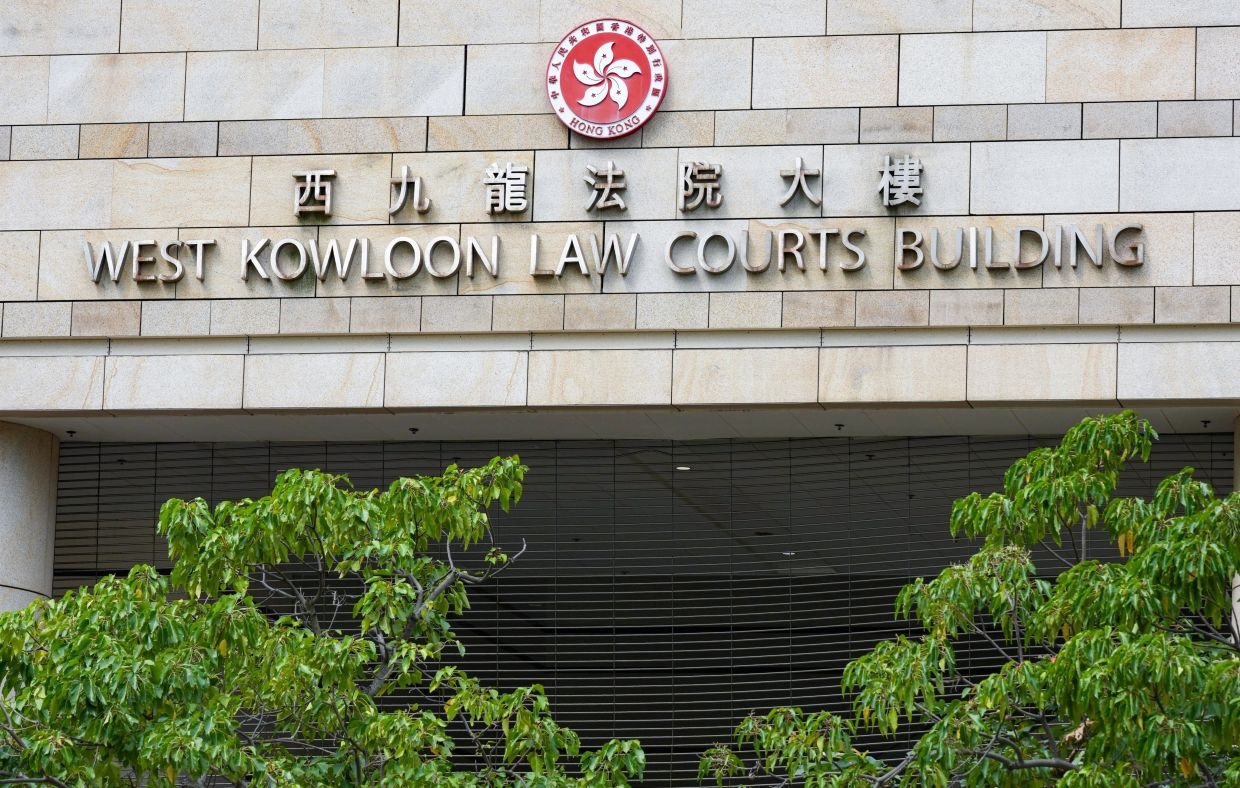
William Wu Yiu-shing appeared before West Kowloon Court on Tuesday, where he pleaded guilty to indecent assault following the June 5 incident on a KMB double-decker bus at the intersection of Mong Kok Road and Sai Yeung Choi Street South. The assault occurred around midday when Wu, seated on the upper deck, reached forward to touch the 17-year-old victim's chest as she sat in the row directly in front of him. A pedestrian outside the bus captured the 37-second incident on video, providing clear evidence of the attack and enabling authorities to identify and apprehend the suspect.
The case is particularly troubling given Wu's criminal history. Records show the defendant carried three prior convictions for indecent assault, establishing a troubling pattern of repeated offending over time. His willingness to reoffend despite previous criminal consequences suggests a persistent disregard for public safety and the comfort and security of fellow commuters, especially vulnerable groups such as teenagers using public transport to attend school. The recurrence raises questions about the effectiveness of rehabilitation efforts and sentencing deterrents in addressing serial offenders in Hong Kong's criminal justice system.
During the bus incident, Wu appeared unmoved by verbal warnings from onlookers on the street and continued his assault as the vehicle moved away from the intersection. The victim later recounted to police that she felt her armpit being touched repeatedly over several seconds and noticed Wu attempting to grab her. Paralysed by fear, she neither resisted nor reported the incident immediately, instead rushing home after the assault ended. Her initial hesitation to respond is a common reaction among young victims of public harassment, who often feel confused, frightened, or uncertain about their legal options in the moment.
Authorities moved quickly after the video circulated online, with police apprehending Wu later that same day at the Hong Kong-Zhuhai-Macau Bridge border checkpoint as he returned from Macau. During interrogation, Wu admitted that he had committed the offence to satisfy his sexual desires, providing a frank acknowledgment of his criminal intent. He subsequently remained in custody from his prosecution on June 8 through his sentencing hearing, having been remanded continuously pending trial resolution.
Wu's defence counsel presented mitigating submissions on Tuesday, emphasizing the defendant's willingness to acknowledge wrongdoing and his admissions regarding his prior similar offences. The lawyer highlighted Wu's stated openness to undergoing psychological treatment as part of his rehabilitation programme, suggesting that the court should consider his potential for reform. Such psychological interventions are increasingly recognised as important components of sentencing when addressing repeat offenders, though their effectiveness remains subject to debate among criminologists and victim advocates.
The four-month sentence falls well below the maximum penalties available under Hong Kong law. Indecent assault charges carry potential sentences of up to 10 years' imprisonment when tried in district court, though magistrate courts—which heard Wu's case—impose a statutory ceiling of two years. The relatively modest sentence imposed reflects either the magistrate's assessment of mitigating factors or the court's view regarding appropriate proportionality for this particular category of offending, though victim advocacy groups in Hong Kong have occasionally questioned whether such sentences adequately protect public safety or deter potential offenders.
Given his time already served in remand custody, Wu is expected to become eligible for early release in approximately one month, raising concerns among residents about swift reintegration of repeat sex offenders into the community. The short remaining custodial period means limited time for any psychological programme to take hold, and insufficient time to assess meaningful behavioural change. The timing also raises practical questions about the adequacy of post-release supervision, monitoring requirements, and community notification procedures that may or may not be in place following his discharge.
The incident underscores vulnerabilities in public transportation safety across major Asian cities. Young commuters, particularly female students using buses during school hours, face heightened exposure to opportunistic harassment by repeat offenders who exploit crowded conditions and the difficulty of securing swift intervention aboard moving vehicles. Transport operators and law enforcement agencies throughout the region have increasingly grappled with balancing passenger privacy concerns against the benefits of surveillance technology, with varying approaches to installing CCTV systems and training staff to intervene in ongoing assaults.
For Malaysian observers, the case offers instructive parallels to harassment challenges on local public transport systems. While specific legislative frameworks and sentencing guidelines differ between Hong Kong and Malaysia, the underlying vulnerability of young female commuters to sexual assault on buses remains a regional concern. Transport authorities in Malaysia, Singapore, and other Southeast Asian jurisdictions have similarly struggled to address this phenomenon through a combination of enhanced security measures, public awareness campaigns, and appropriate criminal penalties designed to deter offenders.
The case also highlights the role of social media in facilitating rapid identification and apprehension of offenders. The bystander's decision to record and share the assault video with online communities essentially crowdsourced police investigation and public accountability, bypassing traditional formal complaint mechanisms. This dynamic has become increasingly common in urban Asia, where digital connectivity enables swift dissemination of evidence and community mobilisation around serious crimes, though it also raises complex questions about privacy, evidence integrity, and the proper balance between public vigilantism and institutional law enforcement.
Looking forward, Wu's case exemplifies the ongoing challenge that criminal justice systems throughout the region face in managing repeat sexual offenders. Despite prior convictions and obvious patterns of behaviour, opportunities remain for such individuals to reoffend in populated public spaces where momentary lapses in supervision or awareness can enable rapid attacks. Whether available psychological interventions, enhanced community notification requirements, or lengthier custodial sentences might better serve public protection remains an active policy debate across Hong Kong, Malaysia, and other Asian democracies committed to improving transport safety and victim protection.

