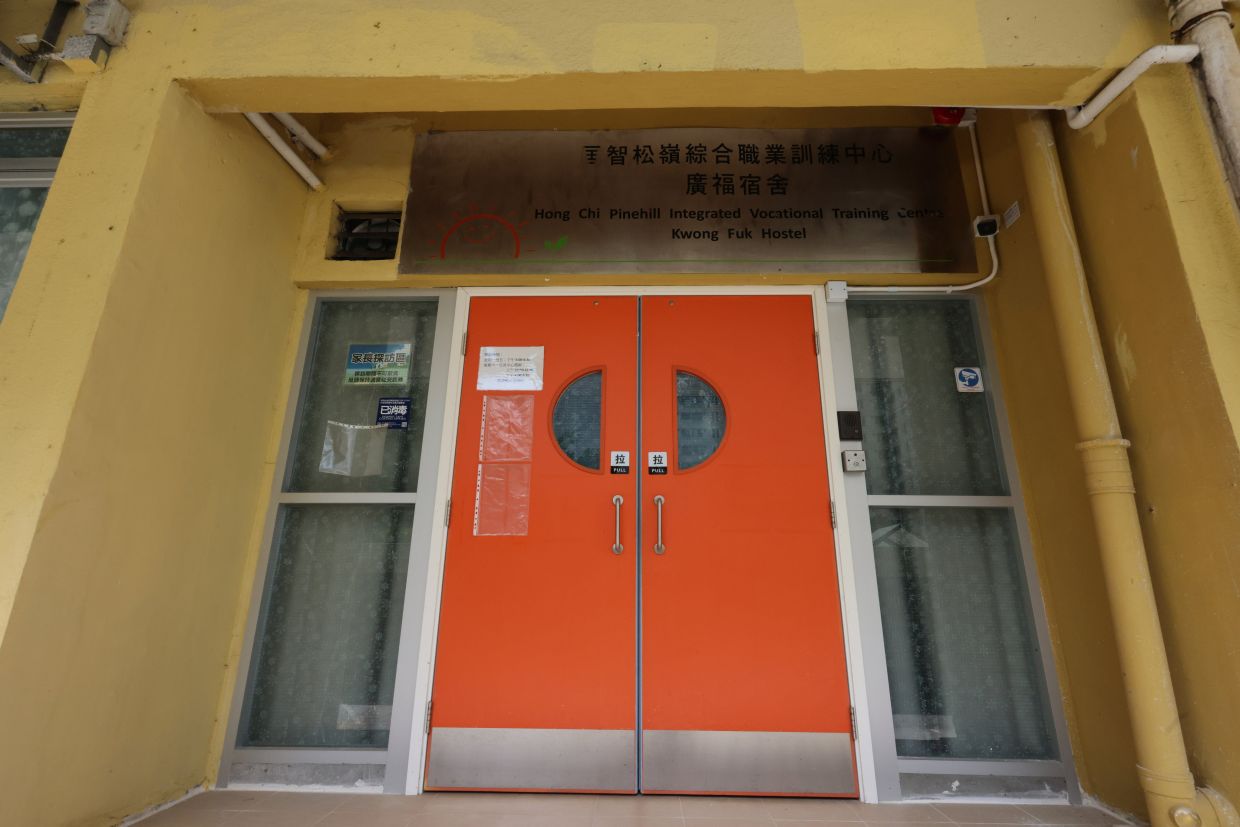
A High Court trial has begun in Hong Kong involving Chung Pui-kei, a former assistant warden accused of sexually assaulting a mentally incapacitated woman multiple times at a residential facility operated by the Chi Association in Tai Po during mid-2024. The case underscores persistent vulnerabilities in institutional care settings across Asia, where individuals with intellectual disabilities remain at elevated risk of exploitation by trusted staff members.
Prosecutor Human Lam Hiu-man presented opening arguments centring on five distinct incidents of rape allegedly perpetrated between July and August 2024. The victim, identified as X to protect her privacy, is now 23 years old but operates with the cognitive capacity of a nine-year-old, a disparity that fundamentally shaped the power dynamic at the facility where the defendant held a position of authority and trust. This cognitive asymmetry becomes crucial in understanding not only how the alleged crimes occurred but also why institutional oversight mechanisms apparently failed to intervene.
The prosecution's case relies on multiple categories of evidence, including two video-recorded interviews conducted by police with the victim herself, surveillance footage obtained during the investigation, forensic findings, and expert testimony regarding the complainant's mental and intellectual condition. Physical evidence presented includes condoms discovered in a male staff locker and a bedsheet from the victim's dormitory room containing DNA evidence linking the defendant to the alleged crimes. Such corroborating materials strengthen the prosecution's narrative and address potential defence arguments regarding consent or misidentification.
According to prosecutor Lam's submissions, the defendant had deliberately cultivated a relationship of trust and familiarity with the victim through apparently innocent interactions: playing video games such as Mario Kart, engaging in casual conversation, and providing small rewards like marshmallows. This grooming pattern is characteristic of institutional abuse cases and demonstrates how perpetrators exploit their positional authority to lower victims' natural caution. From the victim's perspective, someone described in the opening as "Kei sir" appeared beneficent rather than predatory, a perception the defendant evidently leveraged.
Three of the alleged assaults occurred in the staff room designated for male employees, while two took place within the victim's personal dormitory room. The prosecutor indicated that in her police interviews, the victim recalled the defendant locking doors before undressing both of them and committing rape. Critically, she also recounted experiencing pain during these acts and attempting resistance in certain instances by saying no or expressing discomfort, though on other occasions she remained silent, reportedly fearing punishment or rebuke from Chung. This pattern of varied resistance underscores how intellectual disability, combined with an institutional hierarchy, can render a person unable to effectively refuse or escape.
The trial has empanelled a jury comprising four men and two women, with Judge Douglas Yau Tak-hong presiding. This mixed composition reflects Hong Kong's commitment to diverse jury representation, though questions persist regarding jurors' understanding of intellectual disability and institutional vulnerability. Defence counsel Lawrence Hui Cheuk-lun has already begun challenging the prosecution's case during cross-examination of expert witnesses, focusing on the reliability of the victim's account and the stability of her mental health conditions.
Psychiatrist Lydia Lam Yi-ngar from Tai Po Hospital and clinical psychologist Wong Yik-tung from Hong Kong's Social Welfare Department testified regarding the victim's medical history and psychological condition. The psychiatrist confirmed that X had been hospitalised in 2018 and 2021 for mental health treatment but had stabilised following medication and required only routine monitoring post-discharge. She further diagnosed X with bipolar affective disorder and assessed her as "not psychotic" during August and November 2024 evaluations, noting an absence of post-traumatic stress disorder symptoms at those intervals.
Defence strategy has centred on questioning the reliability of the victim's recollection, with counsel probing whether unmedicated bipolar disorder could produce hallucinations affecting perception of facial features. The psychiatrist countered that such hallucinations do not constitute a recognised side effect of valproate sodium, the mood stabiliser X received, and that blood testing confirmed consistent medication levels aligned with prescribed dosages during the relevant period. This exchange highlights the defence's apparent attempt to undermine the victim's credibility by suggesting her account may stem from psychiatric symptoms rather than genuine memory.
The case carries implications extending beyond the immediate courtroom. Care facilities throughout Southeast Asia, including Malaysia, house some of the region's most vulnerable populations with minimal public oversight. Institutional safeguarding policies often remain inadequately resourced and enforced, enabling staff misconduct to persist undetected. The Tai Po residential home's security systems and supervision protocols failed to prevent or detect the alleged abuses for weeks, suggesting systemic weaknesses in how institutions manage access to vulnerable residents and monitor staff behaviour.
This prosecution also raises questions about reporting mechanisms and investigative responsiveness. How the victim's allegations initially surfaced—whether through her own disclosure, observation by other staff, or routine screening—remains unreported but crucial to understanding institutional accountability. Malaysian care facilities, many facing resource constraints, would benefit from examining Hong Kong's investigative model, including video interviewing protocols for victims with intellectual disabilities and forensic collection procedures.
The trial continues with clinical psychologist Wong providing further testimony regarding the victim's intellectual capacity assessment. Her evidence will likely prove decisive in establishing whether the victim possessed sufficient cognitive ability to consent to sexual contact, a legal question distinct from her credibility as a witness. As the case unfolds, regional policymakers should scrutinise whether existing regulations adequately protect institutionalised individuals across the Asia-Pacific from similar exploitation, particularly given the demographic reality that many such facilities employ staff with minimal formal training in safeguarding or recognising abuse patterns.

