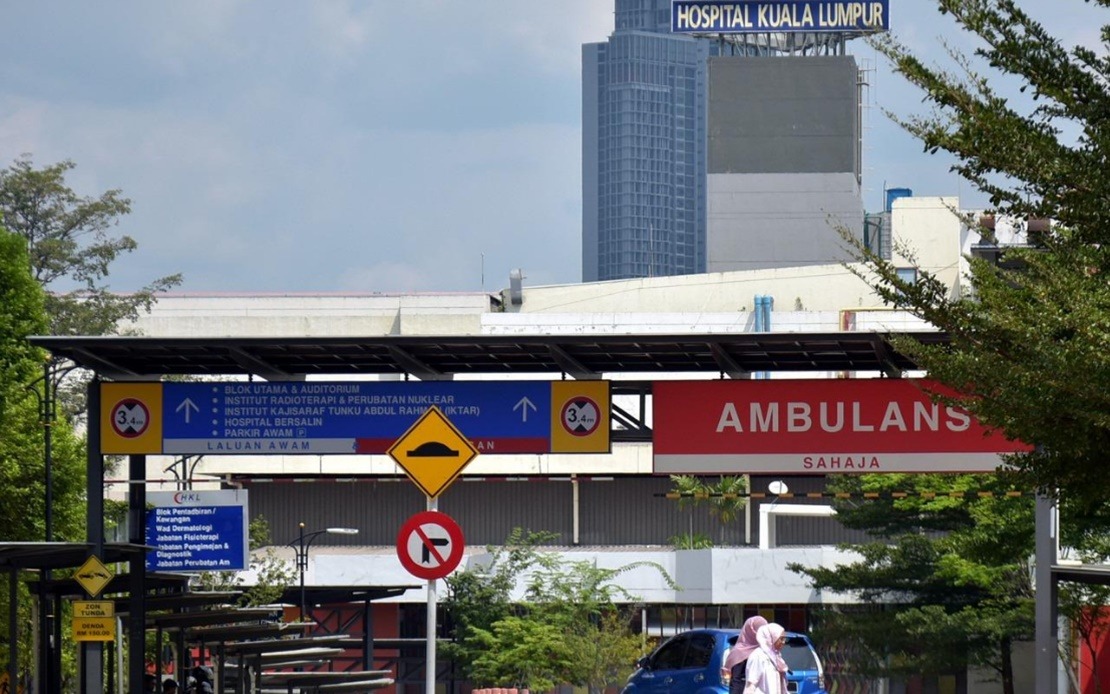
Hospital Kuala Lumpur has firmly rejected allegations that its public toilet facilities are filthy and inadequately maintained, following the circulation of a video on Facebook that sparked widespread public concern about sanitation standards at the major healthcare institution. The hospital's swift response came after the footage gained significant traction on social media, prompting immediate action from the facility's leadership to address what they characterise as misinformation affecting their reputation.
Director Datuk Dr Harikrishna K. R. Nair outlined the hospital's position in a formal statement, noting that management had promptly investigated the claims and examined all sanitary facilities under HKL's purview. The investigation's conclusion was categorical: the toilet depicted in the viral recording does not belong to any facility operated by HKL. This determination was based on technical differences in the toilet's design, which the director emphasized did not match the specifications of sanitaryware installed throughout HKL's premises.
The hospital characterised the dissemination of the video as an irresponsible action capable of damaging the standing of HKL's workforce. According to Harikrishna, the staff remain dedicated to delivering quality service despite such allegations, and the reputational harm caused by circulating unverified claims undermines public confidence in an institution that serves thousands daily. This framing positions the hospital as a victim of misinformation rather than as an institution with substantive cleanliness problems.
HKL's leadership emphasised that sanitation, security, and visitor comfort represent core operational priorities at the facility. The hospital maintains a structured maintenance schedule designed to guarantee that all amenities comply with established health and safety standards. This systematic approach, according to the hospital, reflects its commitment to providing a safe environment for patients undergoing treatment, their relatives, and the medical and administrative workforce.
The viral video had depicted conditions suggesting serious hygiene failures, with images of overflowing urinals and contaminated flooring raising alarm among the public about whether HKL could maintain minimum standards expected of a major hospital. Such visual evidence, once shared widely, can significantly shape public perception regarding healthcare facility standards, even if the location of the footage cannot be independently verified by most viewers.
HKL has called on the general public to exercise caution before distributing such material, warning that sharing unconfirmed allegations can generate unnecessary confusion and anxiety among the population. The hospital's request for responsible information sharing reflects broader concerns across Malaysia's healthcare sector about the speed with which unverified claims about medical facilities spread through digital platforms, sometimes damaging institutions' standing unfairly.
The hospital has signalled openness to legitimate feedback and complaints channelled through proper administrative mechanisms. Rather than dismissing public concerns entirely, HKL has indicated willingness to address genuine issues if they are reported via official pathways. This approach allows the institution to differentiate between bad-faith viral campaigns and authentic complaints from users of hospital facilities.
For Malaysian healthcare consumers, the incident highlights the tension between digital accountability and institutional reputation management. While viral videos can expose genuine problems in public facilities, they can also spread misinformation or show conditions from unrelated locations, complicating efforts to assess true service standards. HKL's defence rests on the premise that independent verification—specifically, design differences between the toilet in the video and those actually installed—supports their position that the footage originated elsewhere.
The broader context matters here as Malaysia's public healthcare system, administered through institutions like HKL, serves millions and operates under budget constraints that sometimes affect maintenance quality. Public concern about sanitation standards in hospitals is not unfounded generically, even if this particular allegation may be misplaced. Previous genuine cases of poor facility maintenance at public hospitals have prompted government action, establishing precedent for taking such complaints seriously.
HKL's response strategy emphasises technical evidence—the design discrepancy—rather than merely dismissing the claim outright. This approach carries more credibility than a blanket denial and may more effectively persuade sceptical observers. However, the hospital's request that the public stop sharing the video itself could be perceived as an attempt to suppress discussion, potentially reinforcing the conviction of those predisposed to distrust institutional statements about their own operations.

