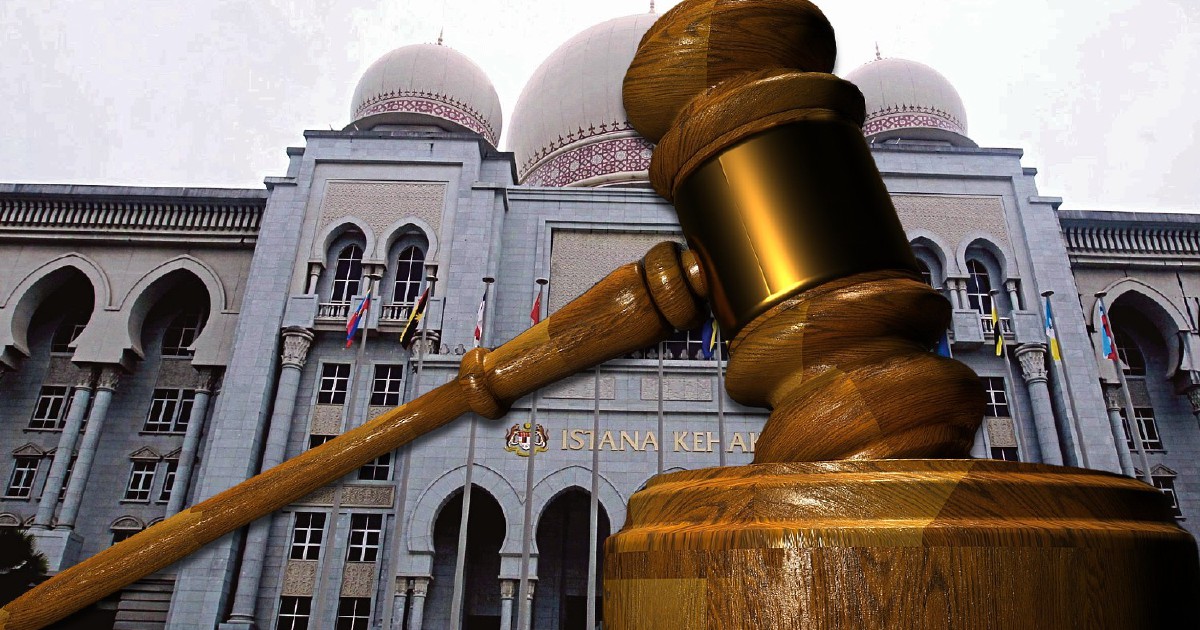
The High Court in Kuala Lumpur has scheduled September 21 for a critical determination on several preliminary legal issues in the civil suit brought against Datuk Seri Anwar Ibrahim by Muhammed Yusoff Rawther, his former research aide. The court's decision on these foundational matters will significantly shape how the case progresses, potentially determining whether certain claims can proceed to full trial or be dismissed at this stage.
Preliminary issues in civil litigation serve as gatekeeping mechanisms, allowing courts to resolve procedural or jurisdictional matters before extensive trial preparation and testimony commence. In this instance, the High Court will examine specific legal questions raised by Anwar's defence team that, if resolved in his favour, could narrow the scope of the allegations or eliminate portions of the claim entirely. The outcome will have substantial implications for both parties' litigation strategies moving forward.
Muhammed Yusoff Rawther's allegations centre on alleged sexual assault, a serious charge that has attracted significant public attention given Anwar's position as Prime Minister and his historical prominence in Malaysian politics. The civil suit represents one avenue through which such allegations are being pursued through the courts, distinct from any separate criminal proceedings that might exist. The distinction matters considerably: civil suits operate under different standards of proof and procedural rules compared to criminal cases, and can proceed independently even when criminal matters are concluded or dismissed.
For Malaysian legal observers, this case underscores the continuing tension between access to justice for complainants and the procedural protections afforded to defendants, particularly those in high office. The High Court's handling of preliminary issues will reflect judicial thinking on how these competing interests should be balanced in contemporary Malaysia, where allegations against prominent political figures increasingly become subject to court scrutiny rather than remaining confined to political discourse.
The September 21 hearing represents a pivotal moment that could substantially alter the trajectory of this litigation. Should the court reject most or all of Anwar's preliminary objections, the case would advance toward substantive trial proceedings where evidence would be presented and contested. Conversely, if the court upholds significant preliminary challenges, substantial portions of Rawther's claims could be struck out, reducing the legal questions remaining for trial.
Anwar's defence strategy through preliminary issues typically aims to establish that certain claims lack legal merit regardless of their factual basis, or that procedural defects prevent them from proceeding. Such objections frequently address matters such as whether the court has proper jurisdiction, whether sufficient time has elapsed to bar the claim under limitation periods, or whether the legal framing of allegations adequately states a cause of action under Malaysian law.
For Southeast Asian political observers, this case exemplifies how judicial systems across the region increasingly grapple with allegations against sitting leaders and former senior officials. Unlike some neighbouring jurisdictions where such matters might remain largely political, Malaysia's approach subjects these disputes to formal court processes, creating a public legal record and judicial pronouncements on contested facts and legal principles.
The broader context of Anwar's political journey also remains relevant to public understanding of this litigation. Following his earlier convictions on charges he has maintained were politically motivated, and his subsequent release and eventual return to political prominence, the current suit arrives amid his tenure as Prime Minister since late 2022. This positioning adds layers of political and institutional complexity to the case, though the High Court's focus must remain on the legal and factual merits of Rawther's allegations.
Rawther's decision to pursue civil remedies represents an important legal pathway, particularly given that civil suits can proceed on the lower balance of probabilities standard rather than the criminal standard of proof beyond reasonable doubt. This distinction makes civil litigation a potentially more accessible avenue for complainants seeking acknowledgment and compensation for alleged harm, even where criminal prosecutions face evidential obstacles or procedural barriers.
The September 21 hearing will be closely monitored by legal practitioners, rights advocates, and political observers across Malaysia and the region. The court's articulation of reasoning on preliminary issues will contribute to evolving jurisprudence on how Malaysian courts address allegations against powerful figures, how procedural protections are applied, and what standards govern access to trial proceedings in sensitive cases.
Beyond the immediate parties involved, this case carries significance for Malaysian civil procedure and judicial practice more broadly. The High Court's decisions on preliminary matters will provide guidance to lower courts, legal practitioners, and future litigants navigating similar disputes. In an environment where allegations against senior officials are increasingly channelled through courts rather than remaining exclusively within political processes, the judicial handling of such cases shapes both individual justice outcomes and systemic approaches to accountability.
The coming weeks before September 21 will likely involve intensive legal preparation from both camps, with final written submissions and oral arguments shaping the court's analysis. Whatever the outcome, the decision will represent a significant juncture in this contested matter, determining whether the case proceeds toward full trial proceedings or concludes at the preliminary stage.

