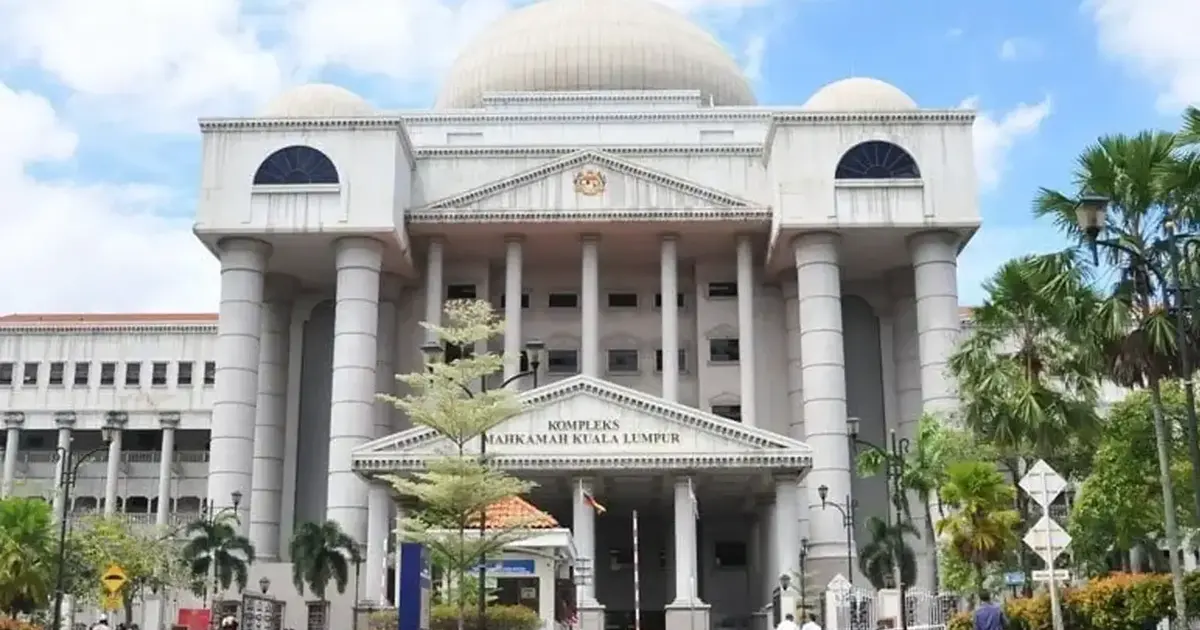
A Malaysian High Court has issued a domestic Mareva injunction preventing East West Group from disposing of approximately RM14 million in assets, a judicial measure designed to protect investor interests in an ongoing civil dispute. The injunction represents a significant legal intervention in the conglomerate's financial operations, reflecting the court's assessment that substantial assets must be preserved pending the outcome of claims brought by the group's investors.
The Mareva injunction—a freeze order originating from English common law—serves a critical function in civil litigation by preventing defendants from moving or liquidating assets before judgment is rendered. In this instance, the High Court judge determined that East West Group's financial position and the nature of the dispute warranted such protective measures. The decision underscores judicial concern that without the freeze, investors could face difficulty recovering damages even if they succeed at trial.
East West Group operates within Malaysia's substantial oil palm sector, which generates significant export revenues and employs hundreds of thousands across the country. The conglomerate's activities span production, processing, and distribution within one of Southeast Asia's most economically important agricultural industries. The injunction's application to such a major operator signals that even established commercial entities face stringent asset protection measures when their financial dealings come under judicial scrutiny.
The civil suit underlying this injunction reflects broader investor concerns about corporate transparency and accountability in the oil palm industry. Disputes between investors and management have become increasingly common as foreign and domestic capital flows into Malaysia's agricultural sector, often creating tensions between stakeholder interests and operational decisions. The investor claims appear substantial enough to justify High Court intervention, suggesting material allegations of financial mismanagement or breach of contractual obligations.
For East West Group, the asset freeze creates significant operational constraints. The RM14 million in frozen assets likely represents working capital, dividend reserves, or strategic investments essential to maintaining normal business functions. While the injunction does not prevent the group from trading or generating new revenue, it restricts financial flexibility during a critical period when investor confidence may already be shaken. The company must now conduct business while accounting for the legal freeze, effectively reducing its liquid asset base.
The timing of such injunctions carries important implications for other market participants watching Malaysian corporate law enforcement. Lenders, suppliers, and business partners now possess clear evidence that Malaysian courts will intervene to protect investor interests through asset preservation orders. This development may influence future investment decisions and credit terms offered to companies involved in contractual disputes, potentially making it costlier for those entities to access financing.
The legal framework supporting Mareva injunctions in Malaysia derives from common law traditions adapted to local circumstances. Malaysian courts have increasingly employed these tools to address concerns about judgment-proof defendants—companies that might otherwise dissipate assets and leave creditors without recourse. The East West Group case demonstrates that Malaysian jurisprudence now treats asset preservation as a legitimate court function, not merely a last resort for extraordinary circumstances.
Investors in the oil palm sector should note this precedent. The injection of High Court authority into financial disputes signals that Malaysian courts take investor protection seriously and will use available legal instruments to prevent asset flight. However, the injunction remains temporary; it will persist only until the civil suit concludes. Should investors lose at trial, the freeze will be lifted, and East West Group's assets will be restored to unrestricted status. The practical outcome thus depends entirely on the substantive civil claims.
The injunction also reflects growing sophistication in Malaysian financial litigation. Rather than relying solely on post-judgment enforcement mechanisms—which often prove ineffective against determined defendants—investors and their legal representatives increasingly seek preventative measures. This strategy places pressure on companies to settle disputes early, as continuing litigation under an asset freeze creates mounting operational burdens and potential reputational damage.
Regional investors and companies operating across Southeast Asia should recognize that Malaysian courts apply comparable standards across business sectors. The oil palm industry's prominence makes this case particularly visible, but the legal principles underlying the Mareva injunction apply equally to disputes involving manufacturing, trading, finance, and technology companies. Any business engaged in significant commercial relationships in Malaysia should understand that judicial freezing of assets represents an available remedy for counterparties claiming financial harm.
The East West Group situation also highlights tensions inherent in modern corporate governance. Conglomerates operating across multiple jurisdictions face complex investor bases, sometimes including minority shareholders whose interests diverge sharply from management preferences. When such disagreements crystallize into litigation, courts must balance management discretion against investor protection. The asset freeze suggests Malaysian judges lean toward protecting investor interests when credible claims emerge.
Observers of Malaysia's commercial legal environment should monitor the civil suit's progression. The injunction's stability may be challenged as the case develops, with either party potentially returning to court seeking modifications. If East West Group demonstrates that the freeze causes substantial operational hardship, the court might adjust the amount frozen or permit limited asset releases for essential business purposes. Conversely, if investors present additional evidence of asset dissipation risks, the court might expand the freeze.
Ultimately, this High Court decision reinforces that Malaysian law provides meaningful remedies for investors believing their financial interests face jeopardy. The RM14 million freeze against East West Group demonstrates that courts will actively intervene to preserve assets during commercial disputes, signaling to the business community that judges take fiduciary responsibilities and contractual obligations with appropriate gravity.

