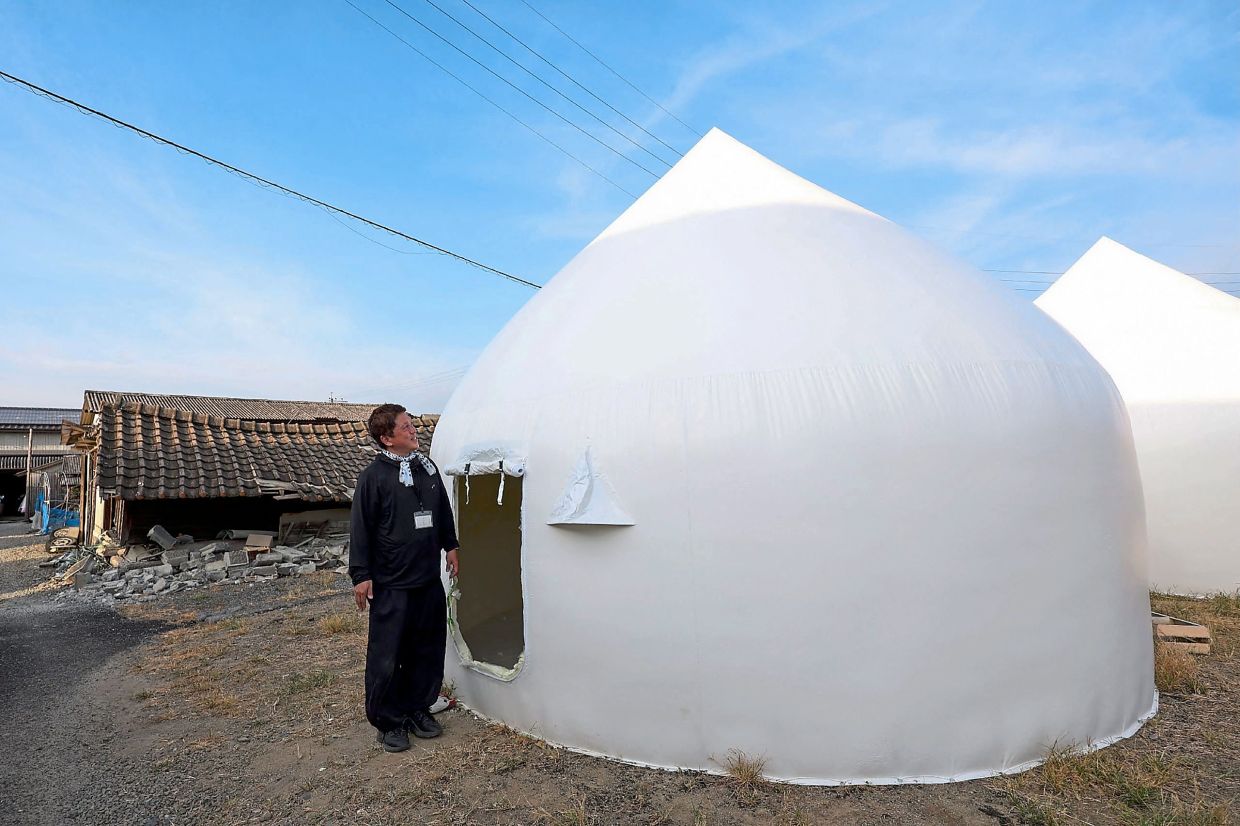
The death toll from Japan's devastating Kumamoto earthquake has climbed to 36 with the tragic passing of an elderly woman who developed heat stroke while taking refuge inside a stationary car. The incident exemplifies an emerging and deeply concerning secondary disaster unfolding across the southwestern prefecture as survivors navigate the dual hardship of earthquake recovery and punishing summer temperatures that have pushed conditions into dangerous territory.
The woman in her seventies was discovered deceased on Thursday in a vehicle that lacked fuel and therefore no functioning air-conditioning, according to reports from NHK public television and prefectural authorities. Her death represents precisely the scenario that emergency management officials and public health experts had feared as they monitored conditions in the days immediately following the magnitude 7.1 quake that struck Kumamoto Prefecture on Kyushu's southern main island last Tuesday. The intersection of natural disaster and meteorological extremes has created a compounding crisis that authorities were unprepared to fully manage.
Responding to this tragedy, Kumamoto governor Takashi Kimura expressed the emotional weight of the situation while issuing an urgent appeal to evacuees still sheltering in vehicles. He urged those remaining in cars to maintain continuous fuel supply to power their air-conditioning systems, or alternatively to relocate to designated evacuation centres where climate control is available. His statement underscores official recognition that the current shelter infrastructure, as currently deployed, poses genuine health risks to vulnerable populations.
The Japan Meteorological Agency documented temperatures reaching 36.6 degrees Celsius in Kumamoto city on Saturday, with forecasts suggesting even higher readings would arrive in subsequent days. These readings qualify as extreme heat by national standards, creating conditions that pose serious risk to any person without access to proper cooling and hydration. The weather has transformed the prefecture into a pressure cooker where survival imperatives are multiplying rather than resolving.
Authorities face a cascading series of logistical challenges that compound the heat crisis. Nearly 47,000 homes remain without access to fresh water supplies, a fundamental necessity during extreme heat exposure. Simultaneously, fuel shortages have emerged across the region, making it difficult for those sheltering in vehicles to operate air-conditioning systems continuously. These supply chain failures arrive precisely when they are most dangerous, as heat-related illness becomes an increasingly likely cause of additional deaths.
More than 9,000 people continue to occupy crowded emergency shelters including converted community centres, school gymnasiums, and classroom spaces, many of which lack air-conditioning entirely. Beyond these formal facilities, thousands of others have chosen to sleep in cars parked at municipal parking lots, parks, or directly outside their damaged homes, prioritising privacy and autonomy over comfort and safety. This distribution of evacuees, whilst understandable given trauma and stress, creates a geographically dispersed population vulnerable to heat illness that is difficult for authorities to monitor and support effectively.
Japan's emergency shelter system has long attracted expert criticism for inadequate sanitation, insufficient privacy, and conditions that compound psychological and physical stress during critical recovery periods. The current situation in Kumamoto exposes how these chronic structural weaknesses become life-threatening when compounded by seasonal environmental factors. Officials are now attempting emergency interventions, with Prime Minister Sanae Takaichi announcing at a government task force meeting on Saturday that portable air-conditioning units, privacy partitions, portable toilets, water supplies, food, and other necessities are being delivered to evacuation centres. However, the speed of these improvements remains uncertain, and their adequacy for the displaced population is questionable.
The earthquake itself continues to claim attention as rescue operations persist at heavily impacted sites. Authorities concluded a multi-day search-and-rescue operation at the Aeon Mall in Kashima town on Saturday, extracting five survivors and recovering seven bodies from debris. The shopping centre was among the hardest-hit structures in the prefecture after an explosion, believed to have resulted from a gas leak, caused catastrophic structural collapse including the failure of walls and an entire floor. The explosion occurred after approximately 3,000 shoppers had been safely evacuated, but certain employees remained inside the facility at the time.
Assessments of physical damage paint a picture of widespread destruction across the prefecture. Over 180 homes have been completely destroyed, whilst more than 3,800 buildings sustained varying degrees of damage. These figures represent the visible, measurable impact of the earthquake, yet they obscure the ongoing human suffering and logistical nightmare of supporting displaced persons during adverse conditions. The prefecture's authorities must simultaneously manage search and rescue operations, supply chain restoration, medical care for the injured, and now increasingly critical heat-illness prevention.
One hundred and five people have sustained injuries directly related to the earthquake, with two additional deaths still under investigation to determine causation. Thousands of Self Defence Force personnel, police officers, rescue workers, and search dogs remain deployed across the prefecture in continuing operations. The missing person count remains unconfirmed and potentially significant. Yet as rescue operations persist, the emerging heat crisis threatens to claim additional lives through mechanisms entirely preventable with adequate resources, planning, and infrastructure.
For Malaysia and other Southeast Asian nations with substantial earthquake exposure and tropical climates, the Kumamoto situation carries cautionary lessons regarding multi-hazard emergency management. The region's monsoon patterns and extreme heat during certain seasons mean that earthquake responses cannot be designed in isolation from climatic factors. Investment in evacuation centre infrastructure that includes guaranteed air-conditioning capacity, reliable water supply systems, and robust fuel logistics must be recognised as core emergency management infrastructure rather than optional amenities. The tragedy unfolding in Kumamoto demonstrates that comprehensive disaster preparedness requires integration of geological, meteorological, and public health considerations into unified response frameworks.

