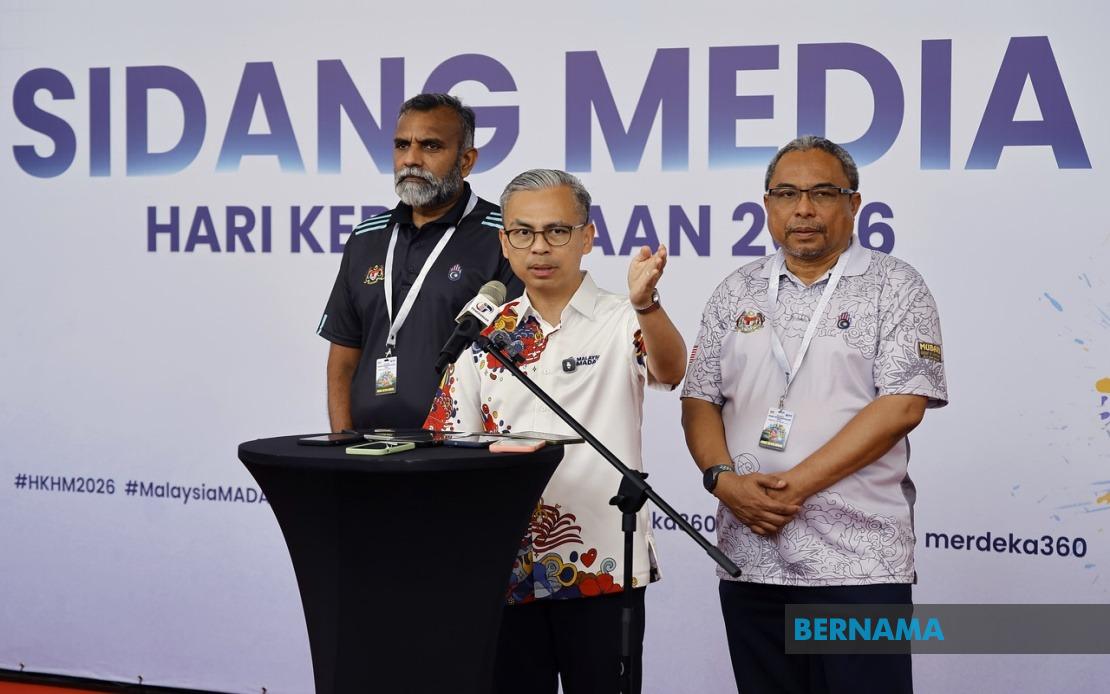
Malaysia's 2026 National Day celebrations at Dataran Putrajaya will proceed as scheduled on Monday, though organisers are urging attendees to take respiratory precautions as the country contends with ongoing haze conditions affecting air quality across the region. Communications Minister Datuk Seri Fahmi Fadzil, who chairs the National Day and Malaysia Day (HKHM) 2026 celebrations main committee, issued the advisory following recommendations from the Health Ministry, highlighting the vulnerability of certain population groups to airborne particulates.
The decision to distribute protective equipment underscores growing awareness of seasonal air quality challenges that have periodically disrupted outdoor events and public gatherings in Malaysia. By making N95 masks available to more than 10,000 participants, organisers are attempting to balance the symbolic importance of the national celebration with practical health considerations. Fahmi emphasised that while the provision of masks demonstrates a commitment to participant safety, the policy remains voluntary rather than prescriptive, allowing individuals to assess their own risk profiles and make informed choices.
Parents accompanying young children, elderly attendees, and individuals with respiratory conditions such as asthma represent the demographic groups most vulnerable to haze-related complications. The Health Ministry's guidance recognises that certain populations require additional protection during periods of elevated air pollution, and the organisational decision to distribute masks aligns with established public health protocols. This targeted approach acknowledges that not all attendees face equal levels of risk, permitting those without underlying health concerns to participate without respiratory protection if they choose.
Beyond mask distribution, the organisational framework includes comprehensive medical infrastructure positioned strategically throughout Dataran Putrajaya. Health Ministry medical teams have established operational bases at multiple locations, ready to provide immediate assistance to attendees who experience respiratory distress or other health emergencies. According to preliminary reports, these medical stations are functioning effectively, and no significant health incidents were documented during the full dress rehearsal, suggesting the healthcare contingency planning has achieved adequate operational readiness.
The full dress rehearsal conducted ahead of the main event proceeded without notable complications, providing organisers confidence in their logistical and safety arrangements. This preparatory exercise allows authorities to identify potential bottlenecks, test communication systems, verify medical response protocols, and calibrate crowd management strategies before the actual celebration draws what organisers anticipate will be substantial attendance. The successful execution of the rehearsal suggests that despite the haze challenge, the event infrastructure is adequately prepared.
Media participation for the 2026 celebrations reflects growing regional and international interest in Malaysia's national observances, with 823 journalists accredited compared to approximately 600 in the previous year. This significant increase in press representation demonstrates the event's profile within domestic and external news cycles. The projected expansion necessitated improved technical infrastructure to accommodate the expanded media contingent, particularly regarding digital connectivity and filing capabilities essential for contemporary news operations.
The Malaysian Communications and Multimedia Commission (MCMC) has undertaken substantial infrastructure investments to support seamless media operations and public telecommunications access throughout the celebration venue. Installation of additional communications equipment at 102 designated celebration sites, coordinated with Malaysia's telecommunications operators, aims to eliminate connectivity constraints that could impede media coverage or emergency communications. This infrastructure enhancement recognises that effective communication—both for documentation and emergency response—depends on robust technical foundation.
Security arrangements have received similarly comprehensive attention, with the Royal Malaysia Police (PDRM) conducting extensive planning to maintain public order and prevent incidents that might disrupt the celebrations. Current assessments indicate no identified security threats requiring extraordinary preventive measures, and preliminary policing operations have proceeded without documented incidents. The police assessment that public order is being effectively maintained suggests that standard security protocols are proving adequate, though authorities remain vigilant as the event date approaches.
The convergence of health precautions, medical infrastructure, expanded media accommodation, enhanced communications systems, and robust security arrangements reflects the multifaceted preparation required for large-scale national celebrations in contemporary Malaysia. Each element addresses distinct operational requirements while collectively contributing to an event experience that balances ceremonial significance with practical safety considerations. The willingness of organisers to publicly acknowledge haze-related health risks and implement mitigation measures represents a more transparent approach to environmental and public health challenges than historical practice.
For Malaysian attendees, the celebration offers opportunity to participate in significant national observances while the publicly visible health precautions serve as reminder of environmental pressures affecting the region. The voluntary mask policy respects individual autonomy while providing organisational recognition of seasonal air quality challenges that persist across Southeast Asia. For media practitioners and international observers, the enhanced communications infrastructure and expanded accreditation demonstrate Malaysia's commitment to facilitating global documentation and coverage of its national occasions, positioning the celebration within broader regional and international contexts.

