The Ministry of Health has committed RM500,000 in immediate funding to enhance medical facilities at the Kemar Health Clinic in Gerik, Perak, with a focus on serving the Orang Asli community in this geographically challenging region. Health Minister Datuk Seri Dr Dzulkefly Ahmad announced the allocation during a working visit to Hulu Perak, where he inspected existing infrastructure and engaged with frontline healthcare workers. The investment reflects the government's broader commitment to narrowing healthcare disparities between urban and remote populations, a persistent challenge in Malaysia's healthcare landscape.
A significant portion of the allocation will fund construction of a modern boat storage facility to replace the existing structure, which has exceeded its serviceable life at over 11 years and can accommodate only a single vessel. This seemingly straightforward infrastructure improvement underscores a critical reality in remote healthcare delivery: the physical assets that enable medical services are as vital as the clinical expertise of healthcare personnel. For communities where river systems serve as the primary transportation network, dependable boat infrastructure translates directly into whether emergency medical interventions can reach patients in life-threatening situations. The current single-boat capacity has created bottlenecks that compromise both maintenance schedules and emergency response capabilities.
Beyond boat facilities, the ministry will deploy resources toward procuring essential transportation and medical equipment. An ageing four-wheel-drive vehicle will be replaced to improve land-based medical outreach, while the acquisition of a Video Laryngoscope addresses critical gaps in emergency response capability. This device facilitates intubation procedures during acute medical crises, enabling the clinic to manage respiratory emergencies that would otherwise require extended transfers to distant tertiary hospitals. For rural populations where transport times can stretch into hours, the presence of such equipment can mean the difference between recovery and irreversible organ damage.
The allocation represents one element of a broader infrastructure modernisation programme. Dr Dzulkefly emphasised the ministry's commitment to expediting construction of a new Kemar Health Clinic classified as Type 5, which will provide expanded capacity and more contemporary facilities compared to the current infrastructure. Type 5 clinics represent Malaysia's comprehensive primary healthcare facilities, typically staffed with doctors, nurses, and support personnel capable of managing a broader spectrum of conditions than smaller clinic categories. For Gerik's Orang Asli population, this upgrade promises not merely cosmetic improvements but substantive expansion of clinical capabilities.
Complementing the RM500,000 facility upgrade, the ministry simultaneously inaugurated a new multipurpose boat designated Medik 8, costing RM350,000. This 12-passenger vessel joins an existing fleet of six boats and specifically targets the 4,500 Orang Asli residents within the RPS Kemar settlement. The boat's design reflects lessons learned from operational experience: its capacity accommodates both medical personnel and patients whilst maintaining flexibility for other essential services. For communities where waterways represent lifelines literally as well as figuratively, such investments demonstrate recognition of geographic realities that urban-centric policy frameworks sometimes overlook.
The health infrastructure investment occurs within the broader Malaysia MADANI governance framework, which prioritises healthcare as a fundamental right independent of geographic location or socioeconomic status. Dr Dzulkefly invoked this principle explicitly, asserting that challenging terrain and remote geography cannot justify unequal healthcare access. This rhetorical positioning matters in Malaysian healthcare policy discourse, as it signals that rural and indigenous healthcare represents not a secondary priority but a core governmental obligation. Implementation of this principle requires sustained funding commitments extending beyond initial announcements, a consideration particularly relevant given Malaysia's historical pattern of announcing rural development initiatives with limited long-term follow-through.
The Gerik investment also reflects accumulated evidence regarding health disparities within indigenous populations. The Orang Asli community experiences documented disadvantages across multiple health indicators, from infectious disease prevalence to nutritional status. These disparities stem partly from geographic isolation but also from systemic factors including limited healthcare workforce recruitment to remote areas, inadequate infrastructure, and cultural-linguistic barriers between service providers and recipients. The Kemar facility upgrade addresses infrastructure constraints directly, though questions remain regarding workforce sustainability and cultural competence in service delivery.
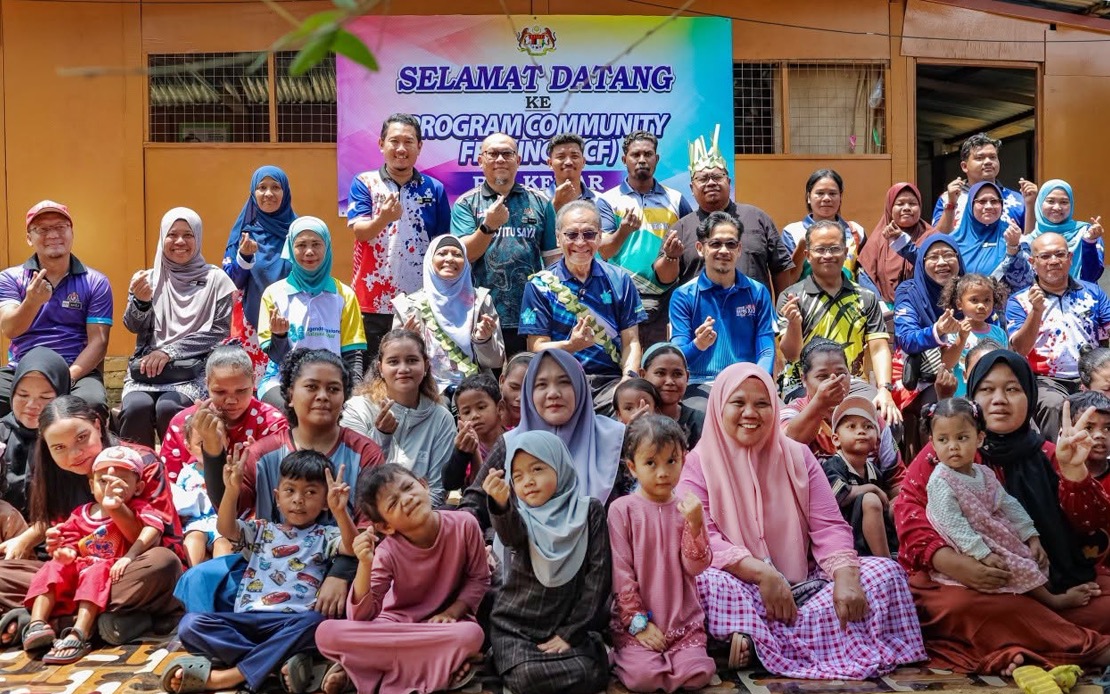
Particular emphasis emerged regarding the Community Feeding Programme operating at RPS Kemar, which targets nutritional intervention for Orang Asli children aged six months to six years. Data presented by the minister documents substantial improvement over a decade of implementation from 2015 to 2025: stunting rates declined from 75.2 per cent to 50.8 per cent, while underweight rates fell from 43.7 per cent to 25.2 per cent. These figures merit contextualisation within Malaysian standards; even the improved stunting rate of 50.8 per cent far exceeds national averages and indicates that malnutrition remains endemic within this community despite sustained intervention efforts. The persistence of high malnutrition rates suggests that healthcare infrastructure improvements alone cannot address underlying determinants of poor nutritional status, which include food security, economic opportunity, and educational access.
The feeding programme's approach—incorporating active feeding, full-cream milk supplementation, multivitamins, and Ready-to-Use Therapeutic Food for malnutrition cases—represents evidence-based nutrition intervention consistent with international guidelines. That such a programme requires explicit government operation within an indigenous settlement reflects broader questions about food security and household economic capacity within this population. The sustained decade-long implementation demonstrates commitment, yet the persistence of high malnutrition rates even after ten years suggests that facility upgrades must be accompanied by complementary interventions addressing underlying socioeconomic factors.
Dr Dzulkefly's observations regarding healthcare personnel deserve consideration as a distinct policy insight. His acknowledgement that government assets prove meaningless without dedicated personnel reflects operational realities that health systems researchers consistently identify: infrastructure investments yield limited returns without corresponding investments in human resources. Healthcare workers in Gerik—including doctors, nurses, and boat operators—operate within hazardous conditions, navigating river systems during adverse weather to deliver services. Personnel retention in such positions typically requires not only adequate compensation but also deliberate career development opportunities and recognition of the inherent challenges. The minister's public appreciation, whilst symbolically important, requires institutional follow-through through targeted retention incentives.
From a broader Southeast Asian perspective, the Kemar investment reflects patterns observable throughout the region regarding indigenous healthcare access. Orang Asli communities share characteristics with indigenous populations across mainland Southeast Asia: geographic dispersion, limited economic integration with dominant market systems, and health systems designed primarily for urban populations. Malaysia's approach through targeted facility upgrades and dedicated boat infrastructure offers lessons for regional counterparts, though successful replication requires sustained political commitment beyond initial announcements. The RM500,000 allocation, whilst substantial for localised investment, remains modest within national health budgets, suggesting that political will rather than financial capacity represents the primary constraint on expanding indigenous healthcare access.
The significance of this investment extends beyond immediate service improvements to reflect evolving policy discourse regarding inclusive development within Malaysia. The explicit invocation of Malaysia MADANI principles and the framing of healthcare as an inalienable right signals that indigenous healthcare access has achieved sufficient political salience to warrant ministerial attention and visible resource allocation. Whether this translates into sustained, long-term commitment to closing health disparities remains an open question, but the Gerik intervention at minimum establishes a marker against which future performance can be measured. For Orang Asli communities in Perak and comparable populations throughout Malaysia, infrastructure improvements offer immediate operational benefits whilst symbolic recognition of their status as equal stakeholders in Malaysian development.

