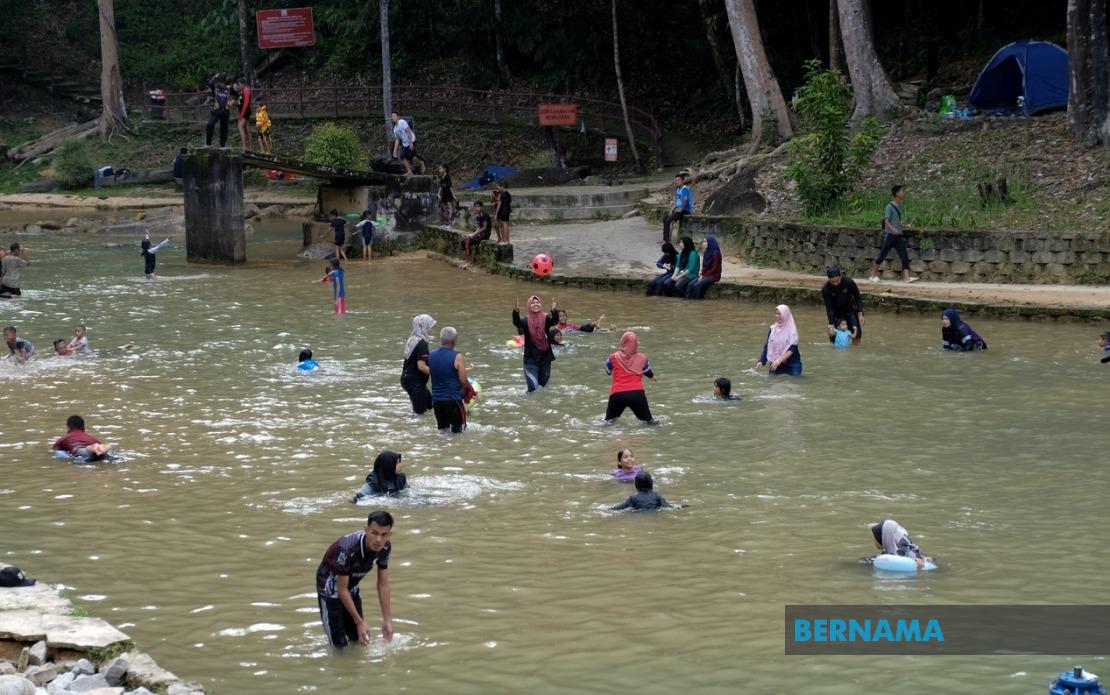
The Pahang State Health Department launched an investigation this week following reports that multiple visitors fell ill with acute gastroenteritis symptoms after swimming in a river at a popular recreational site near Bentong. The outbreak allegations have prompted health authorities to activate their disease surveillance protocols and coordinate with environmental agencies to identify potential contamination sources.
Initial findings from the department's risk assessment revealed no clusters of gastroenteritis cases recorded through standard health reporting systems in surrounding areas, nor any official food poisoning notifications that could be connected to the incident. This early reassurance, however, comes with an important caveat: laboratory results from environmental testing remain pending, meaning a definitive epidemiological link cannot yet be established or ruled out. The absence of reported cases does not necessarily indicate the water is safe, but rather reflects the current state of investigation.
Water sampling operations commenced on June 14 at multiple points along Sungai Benus in Janda Baik, with samples sent for microbiological analysis to detect potential pathogens including bacteria, viruses and parasites that commonly cause waterborne gastroenteritis outbreaks. These pathogenic organisms thrive in untreated water sources and can be introduced through various contamination pathways including sewage discharge, animal waste and poor sanitation practices at recreational facilities. The timeline for releasing laboratory results has not been disclosed, but these findings will be crucial in determining whether water quality was compromised.
In response to the allegations, authorities have implemented a multi-pronged containment strategy involving active case detection through community outreach and enhanced surveillance at government and private healthcare facilities in the Bentong region. Epidemiological investigators are working to identify patterns in symptom onset among affected visitors, trace exposure sources and determine whether cases share common risk factors such as specific bathing locations or times. This detective work is essential for understanding transmission pathways and distinguishing coincidental illness from genuine outbreak clusters.
The health department is simultaneously coordinating with environmental and water quality agencies to assess sanitation conditions at the recreational site and identify pollution sources. This partnership recognises that controlling waterborne disease outbreaks requires addressing upstream contamination rather than merely treating affected individuals. Potential pollution sources in recreational areas typically include inadequate sewage treatment, leaking septic systems from accommodation facilities, poor waste management and agricultural runoff from surrounding catchments.
Operators of recreational and accommodation premises have been reminded of their statutory obligations to maintain sanitation infrastructure, ensure clean water supply systems and properly manage sewage in accordance with public health regulations. Many riverside recreational areas in Malaysia operate in remote locations where centralised water treatment and sewage systems are unavailable, placing responsibility on individual operators to implement appropriate environmental health standards. Regular maintenance and monitoring of these systems is critical, yet enforcement remains inconsistent across the country.
Public health authorities are advising anyone who develops gastrointestinal symptoms such as diarrhoea, vomiting, abdominal pain or fever following recreational activities in rivers to seek medical evaluation promptly. Early consultation allows healthcare providers to confirm diagnosis, provide appropriate supportive care and contribute to epidemiological data collection. The advice reflects a standard public health principle of identifying cases early to prevent secondary transmission and hospitalisation complications.
The Ministry of Health has emphasised the importance of obtaining health information solely from official government channels rather than social media or unverified sources. Unconfirmed reports and speculation about disease outbreaks can trigger disproportionate public alarm, discourage legitimate recreational use of safe facilities and undermine confidence in government health responses. This guidance reflects broader efforts to combat health misinformation while investigations proceed through proper scientific and epidemiological protocols.
For Malaysian readers and regional tourists, this incident underscores the importance of exercising caution when using untreated natural water sources for recreation. Water quality at river and stream recreation areas depends heavily on catchment management practices, facility maintenance standards and environmental conditions that vary considerably across the country. Visitors should seek information about sanitation facilities, water source management and any recent health incidents before choosing recreational sites, particularly during or after heavy rainfall when contamination risks typically increase.
The situation also highlights ongoing challenges in Malaysia's public health infrastructure regarding waterborne disease prevention in recreational settings. While urban water supplies generally undergo regular testing and treatment, many rural and remote recreational facilities operate with minimal regulatory oversight. Strengthening environmental health capacity, improving sanitation standards at recreational sites and enhancing disease surveillance in these areas remain important priorities for preventing future outbreaks. The outcome of current investigations at Bentong will provide valuable insights into contamination pathways and inform future risk management strategies.