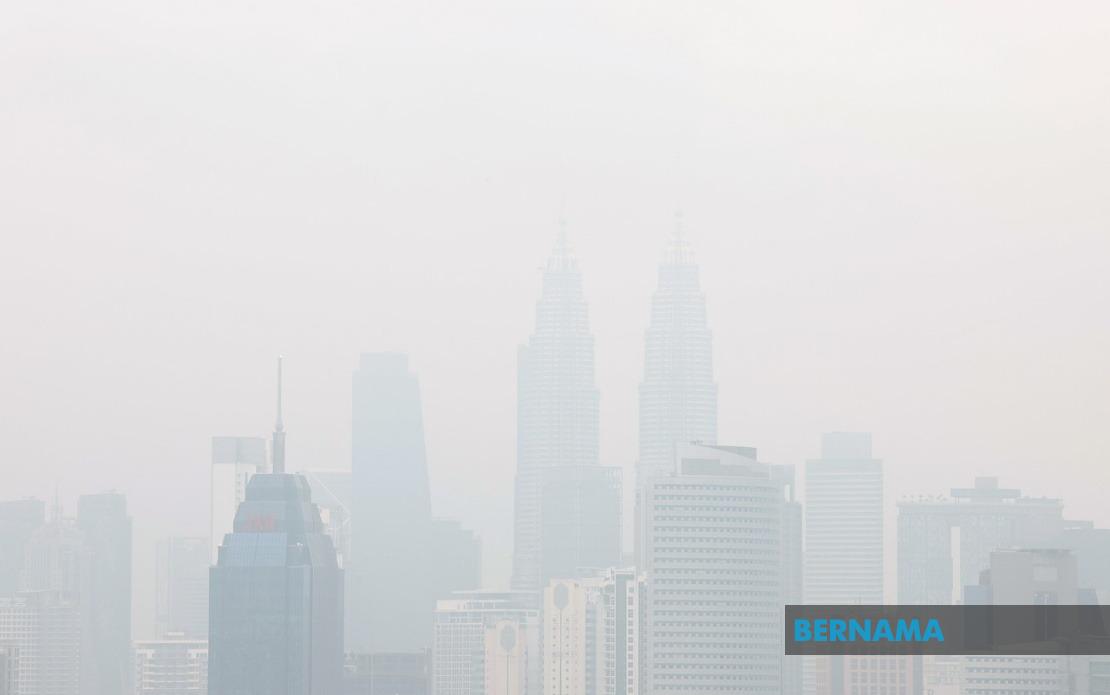
Malaysia's Youth and Sports Minister Dr Mohammed Taufiq Johari has moved to reassure the nation that the ongoing haze crisis will not compromise national athletes' readiness for the Aichi-Nagoya 2026 Asian Games, which begin on September 19 and conclude on October 3. The minister's statement comes as air quality concerns continue to affect the region, prompting scrutiny over whether training regimens could suffer disruption during the critical final weeks before competition.
Dr Taufiq outlined a comprehensive adaptive strategy developed in consultation with the National Sports Institute (ISN) to sustain momentum in athletic preparation while simultaneously protecting competitors' respiratory health. The ministry has established a framework of operational guidelines designed to navigate the dual imperatives of training excellence and athlete welfare—a balance particularly crucial given the proximity of the Games and the intensity required at this stage of preparation cycles.
The Cabinet has been actively monitoring the transboundary haze situation, treating it as a genuine policy concern requiring coordinated responses across government departments. Rather than adopting a passive stance, officials have engaged ISN specialists to translate environmental data into practical training adjustments that maintain competitive conditioning without exposing athletes to unnecessary health risks. This collaborative approach reflects institutional recognition that Southeast Asian air quality challenges are neither unprecedented nor insurmountable when met with foresight and flexibility.
Central to the adaptation plan is a systematic rebalancing of training locations away from outdoor venues and towards climate-controlled indoor facilities. The ministry is actively redirecting a substantial portion of preparation work to indoor stadiums, covered training halls, and other protected environments where athletes can sustain rigorous routines unaffected by air quality fluctuations. This transition requires logistical coordination across multiple sports disciplines and venues, yet officials have framed it as achievable within existing infrastructure and timelines.
The shift indoors carries nuanced implications for different sporting categories competing at the Aichi-Nagoya Games. Endurance sports such as athletics and cycling face particular challenges, as outdoor training provides irreplaceable cardiovascular stimulus that indoor alternatives can approximate but not entirely replicate. Conversely, technical and power-based disciplines may experience minimal preparation disruption from this reallocation. The ministry's confidence that preparations remain "uninterrupted" therefore implies a nuanced assessment accounting for sport-specific demands and the capacity of modified regimens to deliver sufficient physiological adaptations within compressed timeframes.
The haze crisis adds another layer of complexity to Malaysia's broader Asian Games campaign. Southeast Asian nations have collectively grappled with transboundary air pollution stemming from peatland and forest fires, particularly during dry seasons. For Malaysian athletes already balancing demanding training schedules with recovery protocols, the combination of environmental stress and training intensity represents a compounded demand on biological systems. The ministry's preventive emphasis on health protection alongside performance targets reflects lessons learned from previous competitions affected by regional air quality events.
Dr Taufiq's remarks came during a public engagement activity—a Merdeka motorcycle convoy spanning Sungai Petani's Sidam state constituency, Pantai Merdeka, and Bakar Arang. The participation of nearly 400 motorcycle enthusiasts in this approximately three-hour event underscores the ministry's commitment to grassroots engagement beyond elite sports administration. These community interactions allow government representatives to gauge public sentiment regarding sports investments and national athletic ambitions while reinforcing the Games campaign at local level.
The timing of these assurances matters significantly for athlete morale and sponsor confidence. With the Games now within immediate reach—roughly three weeks away from announcement—any perception that preparation integrity has been compromised could undermine team cohesion and psychological readiness. By articulating clear contingency frameworks and emphasizing proactive collaboration with specialized institutes, Dr Taufiq projects institutional control and protective commitment, critical messaging for maintaining confidence across coaching staff, athletes, and supporting ecosystems.
Malaysia's approach to managing haze impacts on athletic preparation reflects broader regional challenges facing Southeast Asia's development agenda. Climate variability and transboundary environmental stresses now constitute routine considerations in planning major sporting events, infrastructure projects, and public health initiatives. The willingness to adapt training methodologies demonstrates how sporting institutions increasingly function as incubators for environmental resilience strategies applicable across sectors.
The adaptive measures outlined also carry implications for Southeast Asian countries hosting future major competitions. As climate patterns shift and extreme weather events become more frequent, the infrastructure investments required to support athletics—particularly climate-controlled training facilities and flexible scheduling protocols—gain strategic importance beyond their traditional sporting context. Malaysia's current response may establish precedents informing how regional nations approach athletic preparation amid environmental uncertainty.
Looking ahead to the Games themselves, air quality conditions in central Japan during late September and early October typically differ markedly from Malaysian patterns, though organizers remain attentive to weather contingencies. The final preparation weeks in Malaysia thus represent a critical window for acclimatization and validation of training outcomes. By maintaining structured preparation despite environmental obstacles, Malaysian athletes enter competition with demonstrated adaptability and resilience—qualities increasingly determining performance at elite levels where marginal physiological and psychological advantages prove decisive.

