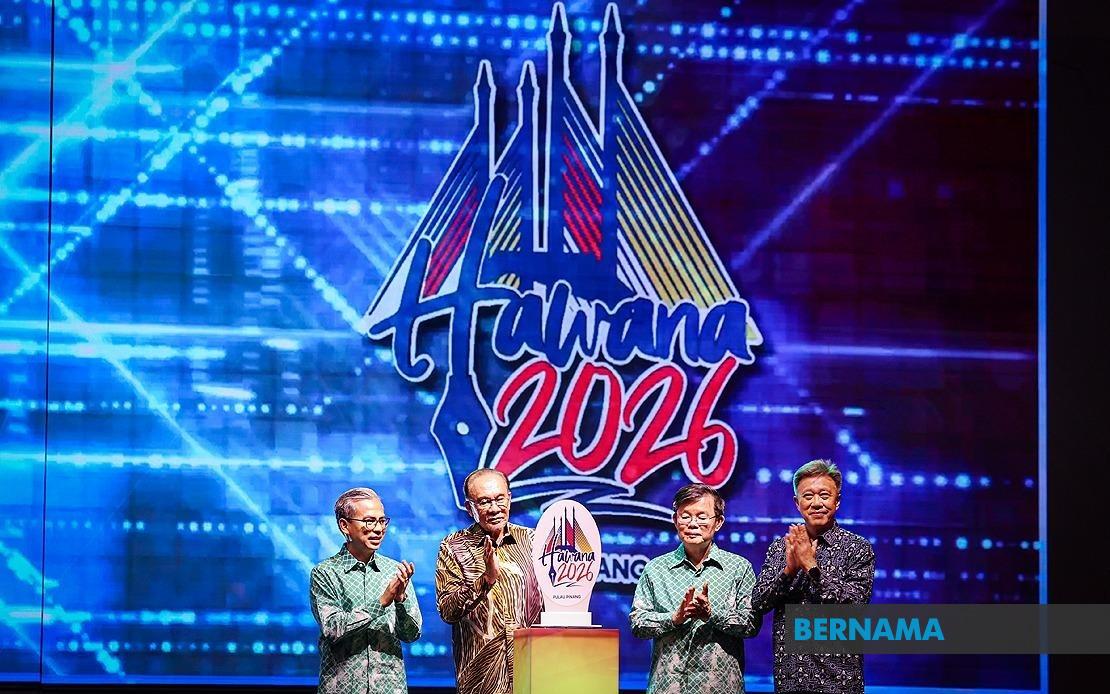
Nearly 1,000 journalists and media practitioners from Malaysia and across Southeast Asia gathered in Penang last week for the conclusion of HAWANA 2026, Malaysia's National Journalists' Day, underscoring the region's ongoing commitment to professional journalism standards. The three-day event at PICCA@Arena Butterworth Convention Centre showcased the media industry's resilience and collaborative spirit, with participants arriving from neighbouring countries including Indonesia, Cambodia and Timor-Leste to discuss the future of their profession.
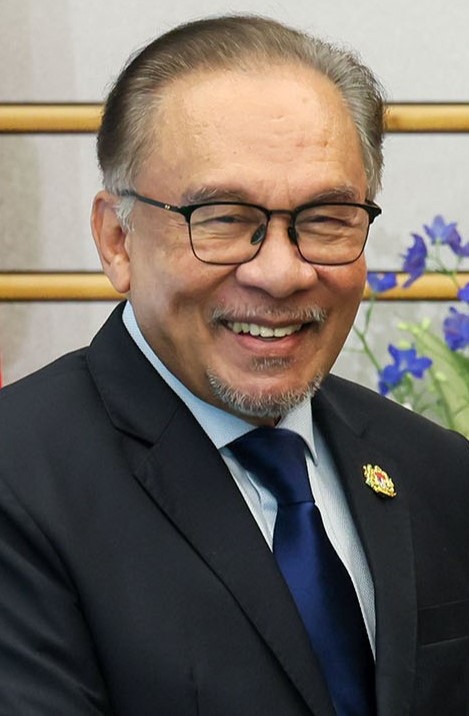
Operating under the banner of "Media Integrity Strengthens Credibility," the celebration reflected a deliberate pivot towards rebuilding public trust in news organisations at a time when misinformation and declining readership present formidable challenges across Asia. Prime Minister Datuk Seri Anwar Ibrahim's presence as the main officiant signalled the government's recognition that a healthy press remains fundamental to democratic governance and societal stability. His keynote address carried particular weight given ongoing debates about press freedom and the relationship between media and political institutions in Malaysia.
A centrepiece of the Prime Minister's address involved the announcement of RM1 million in additional funding for the Tabung Kasih@HAWANA welfare fund, a safety net for journalists facing hardship. This injection represents meaningful support in an industry increasingly characterised by job precarity, shrinking advertising revenues, and the transition from print to digital platforms. Since the fund's establishment in 2023, it has distributed RM2.26 million to 773 media professionals, demonstrating genuine institutional commitment to supporting workers whose livelihoods have been disrupted by structural transformation within the media landscape.
Anwar also reiterated backing for the Media Innovation Fund, which targets digital transformation within local newsrooms. This funding stream addresses a critical gap facing Malaysian media organisations as they compete against well-capitalised international platforms and free content ecosystems. Regional players like The Star, New Straits Times, and smaller independent outlets require sustained investment in multimedia capabilities, data journalism infrastructure, and audience analytics to remain competitive. Without such support, consolidation and closure of news operations will likely accelerate, further diminishing editorial diversity across the country.
The government further demonstrated commitment through securing Telekom Malaysia as a strategic partner for Tabung Kasih@HAWANA, with the telecommunications giant contributing RM500,000. This private sector participation reflects awareness that journalist welfare serves broader economic and social interests. When media practitioners lack financial security, news quality inevitably suffers, editorial independence becomes compromised, and newsrooms lose experienced talent to other sectors. Corporate partnerships thus represent enlightened self-interest as well as corporate social responsibility.
Among touching moments at the celebration was the posthumous Special HAWANA Award 2026 presented to Azlan Idris, former head of Bernama Radio, who passed away in January at age 57. Azlan's career spanning Bernama Radio, TV3, NTV7 and Channel 9 exemplified the diverse skill sets required in modern broadcasting. His instrumental role in launching Bernama Radio in 2007 and organising multiple HAWANA editions underscored the substantial personal commitment journalists make to building institutional capacity and fostering professional community. The emotional presentation to his widow, Wan Syahrina Wan Abdul Rahman, highlighted how media work often involves unseen labour and sacrifice extending far beyond daily news cycles.
Former Broadcasting director-general Datuk Suhaimi Sulaiman received the primary HAWANA Award, honouring a career spent navigating Malaysia's complex broadcasting regulatory environment. Recipients of Tabung Kasih@HAWANA assistance during the ceremony included practitioners from major outlets spanning Makkal Osai, Kwong Wah Yit Poh and Media Prima, illustrating how financial hardship touches journalists across vernacular, Chinese-language and mainstream English media.
Regional media cooperation strengthened considerably through a memorandum of understanding signed between Bernama, Malaysia's national news agency, and Timor-Leste's Agência Noticiosa de Timor-Leste. Such agreements facilitate news exchange, professional development partnerships, and capacity-building initiatives benefiting journalists across Southeast Asia. Given the region's shared challenges of combating disinformation, navigating digital disruption, and maintaining editorial standards amid commercial pressures, multilateral cooperation becomes increasingly vital. Formalisation by Communications Minister Datuk Fahmi Fadzil and witnessed by Prime Minister Anwar elevated the bilateral arrangement's significance.
Beyond formal proceedings, HAWANA 2026 functioned as a three-day carnival featuring 24 creative brands and numerous food vendors, with performances from acts including Exists, Bunkface and Kugiran Masdo. This cultural programming balanced professional development with celebration, acknowledging that journalism remains embedded within broader creative industries and popular culture. Such integration helps position media practitioners not as isolated professionals but as participants in Malaysia's creative economy, deserving recognition and support commensurate with their contributions to national discourse.
The summit programme encompassed substantive professional engagement through the Malaysia Media Retreat 2.0, conducted by the Malaysian Federation of Media Clubs, and a town hall titled "2035: Will Journalists Still Exist?" organised by the Malaysian Press Institute. These discussions directly confronted existential questions facing the profession: technological disruption, business model sustainability, workforce transformation, and the enduring relevance of traditional journalism functions in an algorithm-driven information environment. Rather than offering platitudes, these forums provided spaces for practitioners to grapple with uncomfortable realities and collaborative solutions.
Penang's role as host extended beyond logistics to demonstrating regional capacity for hosting major national events. Governor Tun Ramli Ngah Talib's dinner honouring media practitioners from across Malaysia and ASEAN underscored state-level recognition of journalism's importance. Such hosting generates tourism revenue, showcases infrastructure capabilities and creates networking opportunities strengthening ties between federal and state-level media ecosystems. For a state positioning itself as a creative industries hub, demonstrating commitment to professional media practitioners sends important signals about investment priorities.
Bernama's stewardship of the event, culminating in the first live television broadcast in HAWANA's history, demonstrated the national news agency's technical sophistication and institutional capacity. In an era when some governmental communications operations struggle with multimedia integration, Bernama's successful coordination of a complex multi-day event involving diverse stakeholders reflects professional maturity worthy of international media standards.
Looking forward, HAWANA 2026's emphasis on integrity and welfare suggests Malaysian media leadership understands that public trust requires more than rhetorical commitments. Sustained funding for journalist welfare, investment in digital innovation, and regional cooperation mechanisms address structural challenges threatening news quality and editorial sustainability. Whether these initiatives prove sufficient to reverse declining newsroom employment, halt publication closures, and stabilise business models remains uncertain. Nevertheless, the three-day gathering demonstrated that Malaysian media institutions, government, and private sector recognise journalism as a public good deserving collective support.