The Johor State Government is taking a significant step toward internationalising its education system through a partnership with Harvard University to introduce the Program for Scientifically-Inspired Leadership (PSIL) to secondary students in the state. One hundred students from Sekolah Menengah Kebangsaan Tasek Utama and Sekolah Menengah Kebangsaan Seri Kota Puteri 2 are slated to participate in the initiative, which is set to commence in January 2027. The collaboration also extends educational benefits to 40 teachers from Sekolah Rintis Bangsa Johor (SRBJ) through professional development workshops, marking a comprehensive approach to raising pedagogical standards across the participating institutions.
According to Aznan Tamin, chairman of the Johor State Education and Information Committee, PSIL represents a deliberate pivot toward cultivating a new generation of thinkers and leaders equipped for the complexities of the modern world. The programme, which was established by Harvard University in 2019, prioritises four core competencies: active learning methodologies, development of critical thinking skills, proficiency in effective communication, and practical leadership capabilities. By embedding these elements into the curriculum, the initiative aims to move beyond traditional pedagogical models toward more dynamic, student-centred approaches that foster intellectual curiosity and problem-solving ability.
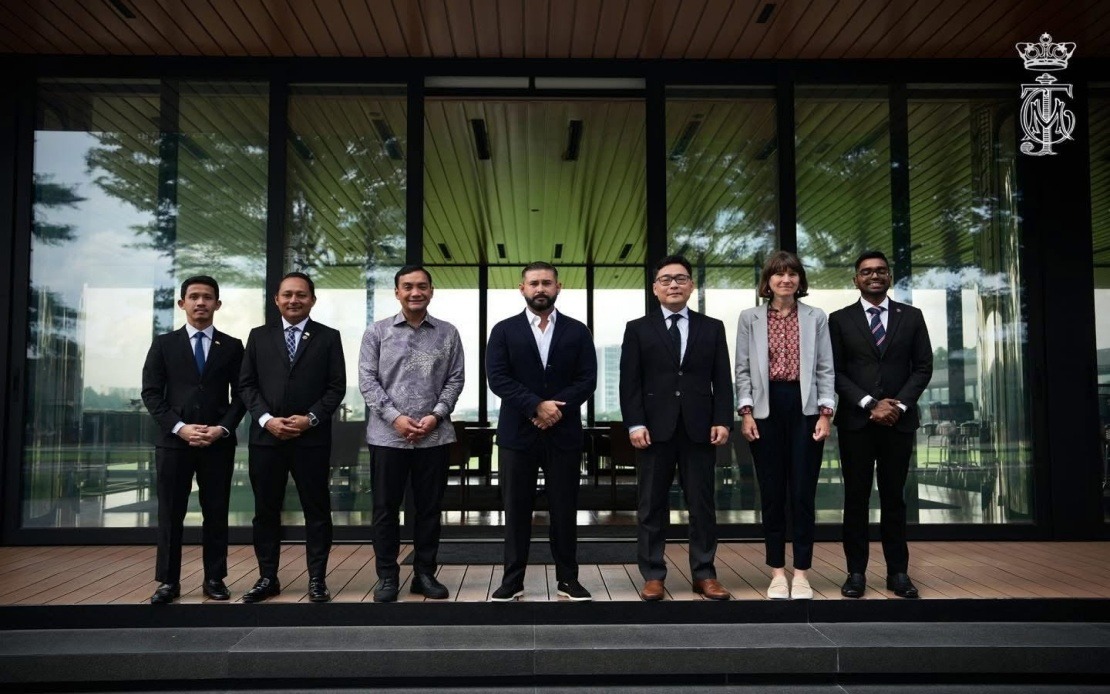
The partnership reflects a broader recognition among state education authorities that exposure to international best practices can significantly enhance educational outcomes. The visit by Harvard delegates, including Dr Dominic Mao, assistant director of Undergraduate Studies and Lecturer in Molecular and Cellular Biology, and Dr Andrea Wright, assistant dean of Harvard College, to meet with the Regent of Johor Tunku Mahkota Ismail underscores the seriousness with which both institutions view this collaboration. Such high-level engagement signals not merely a transactional arrangement but rather a genuine commitment to sustained educational exchange and capacity-building.
For Malaysian educators and policymakers, this initiative carries particular significance in the context of ongoing discussions about preparing the nation's workforce for rapid technological change and global competition. Johor's pioneering role in bringing a Harvard-affiliated programme to its schools demonstrates how individual states can leverage international partnerships to augment federal education frameworks. The emphasis on scientifically-inspired leadership directly addresses Malaysia's stated ambitions in STEM education while simultaneously acknowledging that technical expertise alone is insufficient without corresponding development in communication and leadership competencies.
The pedagogical enhancement workshops for SRBJ teachers represent a crucial multiplier effect within the partnership structure. By training educators in active learning methodologies, the programme aims to create a ripple effect that extends well beyond the initial 100 student participants. Teachers equipped with contemporary teaching techniques can apply these approaches across their broader student populations, gradually shifting institutional culture toward more interactive and creative classroom environments. This teacher-focused investment reflects an understanding that sustainable educational transformation requires building capacity within existing systems rather than merely introducing isolated programmes.
SRBJ itself, as the coordinating institution, occupies an interesting position within Malaysia's educational landscape. The school's stated philosophy of balancing English language mastery with preservation of Malay language competency, combined with its emphasis on STEM skill development and international-standard assessments, suggests an institution already oriented toward excellence and global engagement. The integration of PSIL with SRBJ's existing framework appears designed to strengthen rather than replace current approaches, creating a hybrid model that draws on both local educational values and international best practices.
For the participating students from SMK Tasek Utama and SMK Seri Kota Puteri 2, this opportunity represents exposure to educational frameworks typically accessible only to privileged cohorts at elite international schools. The democratisation of such access through state-supported partnerships is significant for Malaysia's broader goal of ensuring that excellence in education is not confined to fee-paying institutions. Students from these public schools will benefit from curriculum and instructional approaches developed at one of the world's premier universities, potentially catalysing different career trajectories and educational aspirations.
The strategic timing of the partnership's implementation in January 2027 allows for adequate preparation and piloting of the programme structure. This extended lead time suggests a thoughtful approach to integration rather than rushed implementation, permitting careful curriculum alignment, teacher training completion, and organisational logistics to be resolved beforehand. Such deliberation increases the likelihood of sustainable impact and provides opportunity for iterative refinement based on initial experiences.
From a Southeast Asian perspective, Johor's collaboration with Harvard offers a model for how other state governments in the region might cultivate international educational partnerships. Rather than waiting for federal-level initiatives or foreign governments to drive educational innovation, this arrangement demonstrates how proactive state-level engagement with global academic institutions can create beneficial outcomes. The partnership also potentially opens pathways for future academic exchange, research collaboration, and institutional linkages that extend beyond the initial student cohort.
The emphasis on cultivating scientifically-inspired leadership speaks to an emerging recognition that STEM fields require leaders with sophisticated interpersonal and communicative skills. This represents a departure from older models that treated technical expertise and humanistic development as separate domains. By integrating these competencies within a single framework, the programme acknowledges the reality of contemporary problem-solving, which increasingly demands technical knowledge combined with the ability to persuade, collaborate, and inspire others toward collective goals.
The involvement of the Tunku Mahkota in receiving the Harvard delegation carries symbolic weight within Johor's governance structure, signalling that educational innovation enjoys support at the highest levels of state leadership. This institutional backing increases the likelihood that the programme will receive necessary resources and administrative support for successful implementation. Furthermore, such visible commitment from royalty and state leadership can inspire students and teachers to engage more seriously with the programme's objectives and methodologies.