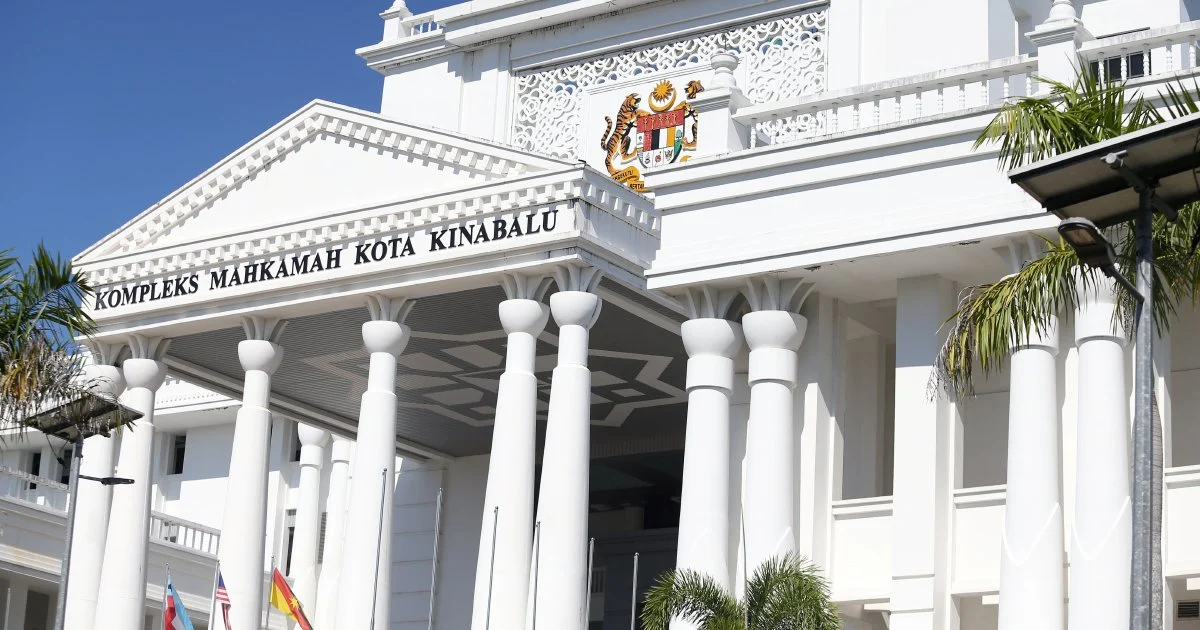
A graphologist providing expert testimony at the Coroner's Court in Kota Kinabalu has confirmed her conviction that several passages inscribed in the journals belonging to the late Zara Qairina Mahathir did not originate from the hand of the deceased. The assertion formed a crucial element of the ongoing inquest into the circumstances surrounding Zara's death, with the expert's analysis carrying significant forensic weight in clarifying questions about the authenticity of personal documents.
Handwriting analysis, or graphology, relies on the systematic examination of stroke patterns, letter formations, pressure variations, and spacing characteristics to establish authorship. When applied to documents of evidentiary importance—particularly in cases involving sudden or unexplained deaths—such expertise can illuminate inconsistencies that might otherwise remain concealed. The expert's willingness to reaffirm her position suggests confidence in the methodology employed and the conclusions reached during her initial investigation of the materials.
The implications of these findings extend beyond mere technical assessment. If portions of Zara's personal journals were penned by someone other than herself, questions naturally arise regarding the nature of those entries, the motivations behind their composition, and what they might reveal about circumstances preceding her death. Such evidence could prove pivotal in determining whether the official narrative surrounding her passing is complete or whether alternative explanations warrant consideration.
Zara Qairina Mahathir, the youngest child of Malaysia's longest-serving Prime Minister, occupied a position within one of the nation's most prominent families. Her death triggered public concern and subsequent official scrutiny, particularly given the questions that emerged regarding the circumstances involved. The coroner's inquest represents the judicial system's mechanism for establishing facts in deaths lacking immediately clear explanations, and the testimony being presented forms the evidentiary foundation upon which final determinations rest.
For Malaysian observers accustomed to meticulous official proceedings, the reliance on forensic expertise in high-profile cases demonstrates the gravity with which authorities approach such matters. The employment of handwriting specialists reflects international best practices in death investigation, acknowledging that modern inquiry demands rigorous scientific methodology rather than circumstantial assessment. The graphologist's testimony thus represents the application of established investigative protocols to this sensitive matter.
The ongoing nature of the inquest suggests that while substantial evidence has been gathered and examined, the complete picture remains subject to judicial clarification. The coroner's role encompasses not merely determining cause of death but also establishing a comprehensive account of surrounding events. Expert witnesses, including document examiners and graphologists, provide technical foundations upon which such accounts rest, translating complex forensic analysis into legally actionable findings.
The persistence of questions about journal authenticity may also reflect broader investigative concerns that prompted the inquest's continuation. When multiple angles of inquiry—including documentary analysis alongside pathological examination and witness testimony—are pursued, the resulting assessment tends toward comprehensiveness. The graphologist's reaffirmation of earlier conclusions suggests that subsequent opportunities for review have not undermined her initial assessment but rather have reinforced it.
In the Malaysian legal context, where high-profile inquiries frequently attract substantial public interest, the transparency of testimony and the willingness of experts to defend their conclusions before open court serves an important function. Citizens observing proceedings gain confidence that investigative processes are genuinely searching rather than predetermined, and that evidence undergoes genuine scrutiny rather than cursory acceptance. The coroner's court thus operates as both a fact-finding body and a mechanism for public accountability regarding official inquiry methods.
The broader investigative landscape suggests that authorities pursuing this matter have invested considerable resources in documentary analysis, expert consultation, and detailed examination of available evidence. The appearance of specialized witnesses before the coroner reflects the multi-disciplinary approach increasingly characteristic of contemporary death investigations. As the inquest progresses through examination of successive witnesses and testimony regarding varied lines of inquiry, a comprehensive portrait gradually emerges.
For the Mahathir family and the wider Malaysian public, the procedural advance represented by the coroner's hearing offers the prospect of eventual clarity regarding circumstances that initially generated uncertainty. While such proceedings necessarily consume considerable time as evidence is methodically presented and tested, their deliberate pace ultimately serves accuracy and completeness. The graphologist's testimony, whether confirming or complicating narratives previously accepted, constitutes an essential component of this comprehensive investigative process.
The significance of handwriting expertise in modern forensic inquiry cannot be overstated, particularly in jurisdictions where documentary evidence carries particular weight in official determinations. Malaysia's commitment to thorough examination of such evidence, as exemplified by the specialist testimony now being heard, reflects institutional recognition that definitive conclusions require examination of all available materials through appropriately rigorous methodologies. The expert's presence in court and her affirmation of earlier findings represent the culmination of technical analysis and its integration into formal proceedings.