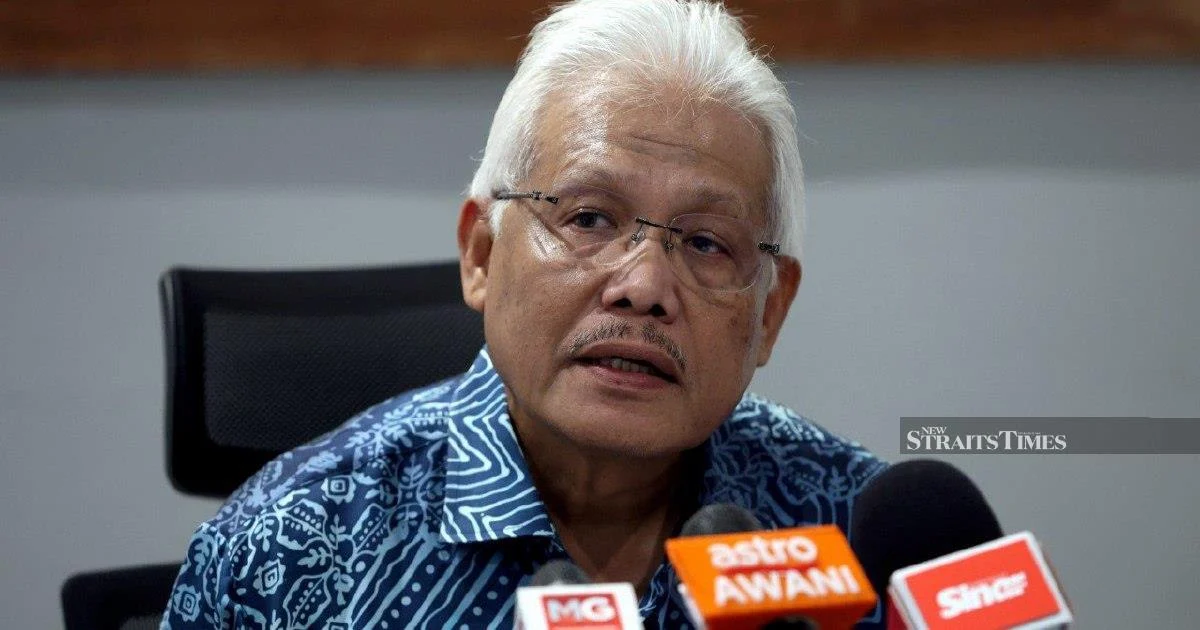
Parti Wawasan Negara, formerly known as Parti Cinta Malaysia, has positioned itself as a potential intermediary between the two dominant Malay-based political forces in Malaysia. Led by Hamzah Zainudin, the party has signalled its readiness to facilitate dialogue and cooperation between PAS and UMNO, two heavyweight organizations whose relationship remains strained despite sharing similar electoral bases and ideological supporters.
The rebranding from Parti Cinta Malaysia to Parti Wawasan Negara reflects a strategic repositioning aimed at appealing to a broader coalition of Malay and Muslim voters. This identity shift comes at a critical juncture in Malaysian politics, where the fragmentation of the Malay vote across competing parties has become a persistent concern for political analysts and community leaders. By adopting a new name emphasizing national vision, the party seeks to transcend narrow partisan interests and project itself as a stabilizing force in a volatile political landscape.
The rationale behind Hamzah Zainudin's proposed mediatory role centers on a fundamental anxiety within Malay-Muslim political circles. When Malay votes split among multiple competing parties—whether UMNO, PAS, or smaller entities—the cumulative electoral power traditionally associated with this demographic bloc diminishes substantially. This fragmentation has proven consequential in recent electoral contests, where previously comfortable parliamentary majorities eroded due to divided support. Parti Wawasan Negara's intervention seeks to address this structural weakness by fostering greater coherence among major Malay political actors.
UMNO and PAS have experienced considerable tension over the past decade, rooted in ideological differences, competing leadership narratives, and divergent visions for Malaysia's political future. While both parties claim deep roots in Malay-Muslim political culture and draw extensively from overlapping voter demographics, their strategic approaches and organizational cultures differ markedly. UMNO has traditionally positioned itself as a pragmatic, multiethnic coalition partner within government, whereas PAS has increasingly emphasized Islamic governance principles and distinguished itself through opposition politics. These contrasting orientations have created genuine barriers to sustained cooperation, despite periodic attempts at reunification.
The challenges facing any mediatory effort are substantial. Historical attempts to bridge UMNO-PAS divisions have consistently faltered on fundamental disagreements regarding governance priorities, international orientation, and the scope of Islamic law in the Malaysian federal system. Previous cooperation frameworks, such as the ill-fated Muafakat Nasional alliance, collapsed under the weight of competing ambitions and irreconcilable policy differences. Hamzah Zainudin's initiative must therefore navigate a terrain littered with failed reconciliation attempts and entrenched institutional rivalries.
From a Malaysian perspective, the question of Malay political fragmentation carries implications extending far beyond party politics. A coherent Malay voting bloc has traditionally functioned as the stabilizing foundation of Malaysian electoral politics and coalition-building dynamics. When this bloc splinters, the entire architecture of consensus-building at the national level becomes more precarious. Smaller parties and minority communities gain unexpectedly enhanced bargaining leverage, potentially shifting policy outputs in directions that neither UMNO nor PAS alone would have endorsed. This unpredictability has prompted concern among political observers who view institutional stability as prerequisite for sustained development and investor confidence.
Partai Wawasan Negara's proposed bridging function also reflects recognition that electoral mathematics in contemporary Malaysia increasingly favor unified coalitional blocs over fractious competitors. The 2022 and 2023 electoral cycles demonstrated that voters respond positively to coherent political narratives and broad coalitions capable of delivering tangible benefits, rather than fragmented opposition that emphasizes criticism without constructive alternatives. By positioning itself as a unifying intermediary, Hamzah Zainudin's party hopes to capitalize on latent demand for political reconciliation and institutional coherence.
However, the viability of this mediatory role depends substantially on Parti Wawasan Negara's own electoral credibility and perceived neutrality. A party too closely associated with either UMNO or PAS risks forfeiting its credibility as an honest broker. Conversely, a party that appears weak or peripheral to mainstream Malay political discourse may lack the influence necessary to facilitate meaningful dialogue between heavyweight competitors. Parti Wawasan Negara must therefore establish itself as a serious political force capable of delivering tangible value to both potential mediands, not merely a sympathetic bystander observing larger actors' struggles.
The broader Southeast Asian context adds weight to these Malaysian political dynamics. Indonesia, Thailand, and other regional neighbours have experienced their own fragmentation of previously cohesive electoral blocs and voting communities. Malaysian political leaders increasingly recognize that voter coalitional behavior has become more fragile and volatile than in earlier decades, requiring active maintenance through effective governance delivery and institutional responsiveness. This regional learning experience informs contemporary Malaysian political strategizing and makes bridging initiatives such as Hamzah Zainudin's potentially more urgent than they might otherwise appear.
For Malaysian readers and observers, the significance of Parti Wawasan Negara's initiative lies in what it reveals about underlying anxieties within Malay political elites regarding institutional instability and electoral unpredictability. Whether this particular mediatory effort succeeds or founders, it represents recognition that fragmentation carries genuine costs and that political actors increasingly recognize incentives for cooperation. The coming months will demonstrate whether Hamzah Zainudin possesses sufficient diplomatic skill and political leverage to advance this ambitious objective, or whether longstanding animosities and strategic differences will again prove insurmountable.

