The attendance of Sabah Chief Minister Datuk Seri Hajiji Noor and a delegation of Gabungan Rakyat Sabah leaders at the 2026 PKR National Congress in Melaka on August 15 has been interpreted as a significant affirmation of collaborative governance between the state administration and the federal government, transcending the traditional boundaries of political affiliation. The high-profile presence of GRS representatives at the ruling coalition's major political gathering highlights a pragmatic approach to state-federal relations centred on shared developmental objectives rather than partisan considerations.
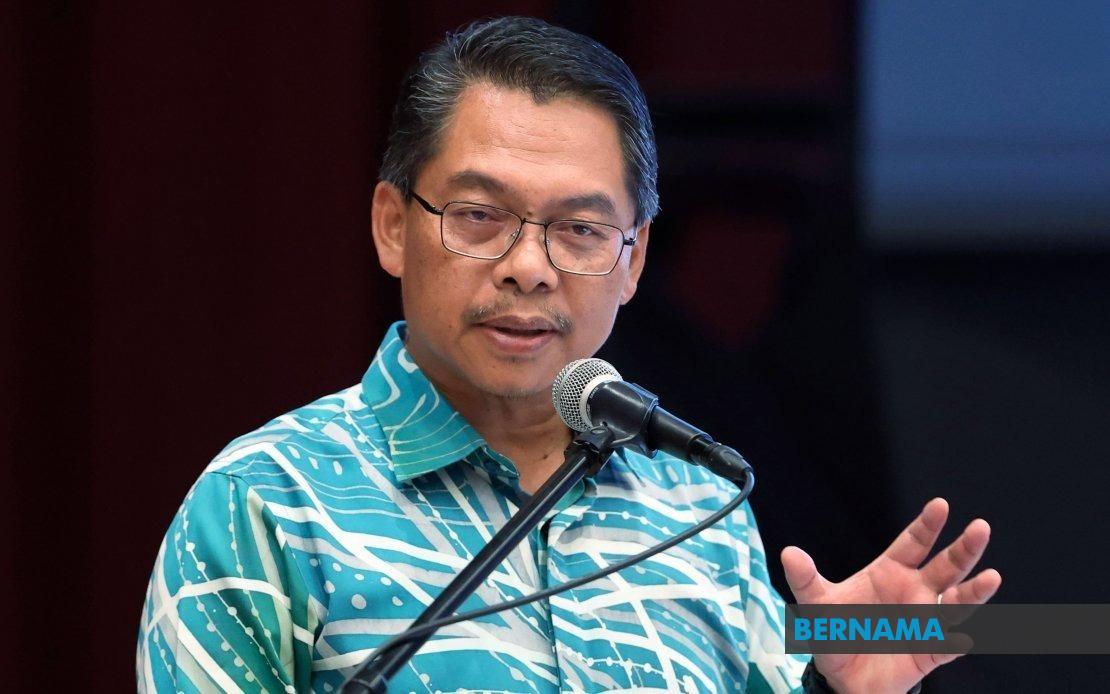
According to Datuk Mustapha Sakmud, chairman of the Sabah PKR Leadership Council and Minister in the Prime Minister's Department (Sabah and Sarawak Affairs), this cooperation extends well beyond conventional political engagement. The delegation's participation underscores a commitment to translating political stability into tangible benefits for Sabah's residents through accelerated economic development, job creation, improved infrastructure, and targeted solutions to pressing social challenges specific to the state's context. This broader framework acknowledges that regional progress depends on genuine partnership between different political entities working towards common ground.
The MADANI Government, led by Prime Minister Datuk Seri Anwar Ibrahim, has positioned itself as committed to inclusive and equitable national development that recognises the distinctive needs and characteristics of each region. Mustapha emphasised that this principle carries particular importance for Sabah, where historical grievances and unique constitutional arrangements under the Malaysia Agreement 1963 shape public expectations and political discourse. The federal administration's acknowledgement of these particularities signals a willingness to approach regional governance through a lens that respects local autonomy and historical agreements.
A cornerstone of the Sabah-federal relationship centres on the interpretation and implementation of the Malaysia Agreement 1963, the constitutional instrument that governs Sabah's position within the federation. PKR's commitment to championing Sabah's rights and interests within a framework that preserves the state's special status represents a direct response to longstanding demands from Sabah political leaders and civil society. The Malaysia Agreement has been a contentious issue, with various stakeholders arguing about the extent of federal encroachment on state prerogatives and the fairness of resource distribution.
The GRS delegation that accompanied Hajiji included Deputy Chief Minister I Datuk Seri Dr Joachim Gunsalam, Rural Development Minister Datuk Rubin Balang, Youth, Sports Development and Creative Economy Minister Datuk Nizam Abu Bakar Titingan, Education, Science and Technology Minister Datuk James Ratib, GRS deputy secretary-general Datuk Mohd Razali Mohd Razi, and Balung assemblyman Syed Ahmad Syed Abas. This comprehensive representation of the Sabah cabinet and party leadership underscores the institutional weight attached to the congress attendance, suggesting that the event held significance beyond ceremonial participation.
Mustapha's statement that political differences should not obstruct dialogue and mutual understanding on matters affecting Sabah's welfare reflects an increasingly mature approach to Malaysian coalition politics. Rather than treating political opposition as an absolute barrier to cooperation, this perspective acknowledges that state and federal interests can align even when parties occupy different positions in the national political hierarchy. Such pragmatism becomes particularly relevant in federalised systems where multiple layers of governance create opportunities for constructive engagement across traditional partisan lines.
The 2026 PKR National Congress, officially themed 'Memugar Reformasi, Membina MADANI', was held at the Melaka International Trade Centre and officiated by Anwar Ibrahim in his dual capacity as Prime Minister and PKR president. The congress served as a platform for the ruling coalition's dominant party to articulate its vision for the remainder of the current electoral cycle and beyond. The prominent attendance of Sabah's political leadership, despite GRS operating as an independent entity within the Perikatan Nasional framework, added an unexpected dimension to the proceedings.
For Malaysian observers and regional analysts, the convergence of Sabah's top political leadership at a PKR-dominated national gathering carries implications for coalition stability and the management of centre-periphery relations. Sabah has historically exercised considerable political leverage due to the number of parliamentary seats it controls and its strategic importance to national coalition mathematics. The state's ability to shift political allegiances or withdraw cooperation carries serious consequences for federal government stability, making the cultivation of positive relations essential.
The emphasis on addressing issues directly affecting Sabahans' daily lives—encompassing economic development, employment generation, infrastructure improvement, and service delivery—reflects a reorientation of state-federal discourse away from purely constitutional or ideological disputes. While Malaysia Agreement 1963 remains symbolically and legally significant, the practical engagement appears to prioritise demonstrable improvements in living standards and economic opportunities. This shift suggests that the MADANI Government has recognised that legitimacy in peripheral regions depends on delivering concrete results rather than rhetorical commitments alone.
For Southeast Asian observers monitoring Malaysian political dynamics, the Sabah development carries broader significance. Federal systems throughout the region face recurring tensions between central governments and constituent states, particularly where historical agreements, resource distribution, and ethnic or regional identities intersect. The Malaysian model of managing these tensions through formal cooperation, cross-partisan engagement on development matters, and constitutional recognition of special status offers instructive lessons for neighbouring federalised democracies grappling with similar challenges.
The presence of GRS leaders at the PKR congress also reflects evolving attitudes towards coalition flexibility in Malaysian politics. Rather than rigid party boundaries defining all interactions, contemporary coalition management allows for selective cooperation on specific policy domains while maintaining separate political identities. This compartmentalisation—separating parliamentary support arrangements from state-level governance collaboration—provides greater flexibility for addressing regional concerns without requiring fundamental shifts in electoral coalitions.
Looking forward, the positive signals emerging from this gathering may facilitate smoother implementation of federal development programmes in Sabah and enhance responsiveness to state-specific policy priorities. However, sustained success will require translating goodwill into institutional mechanisms that ensure Sabah's interests receive consistent attention in federal policy-making. The appointment of a dedicated minister for Sabah and Sarawak Affairs, with Mustapha holding this portfolio, suggests institutional acknowledgement of the need for focused attention on peripheral state concerns within the federal structure.

