Australian health and wildlife authorities are sounding alarm bells over the widening H5N1 avian influenza crisis unfolding across South Australia, with experts convinced the virus will inevitably breach marine mammal populations in the coming weeks. The discovery of the highly pathogenic strain in a seagull on the state's south-eastern coastline represents a worrying escalation in what has become the nation's most significant bird flu event since the virus arrived on the Australian mainland in June. With suspected cases now numbering 21 across South Australia and confirmed infections reaching 19, the threat calculus has shifted dramatically from a contained avian problem to a potential ecological disaster for one of the world's rarest marine species.
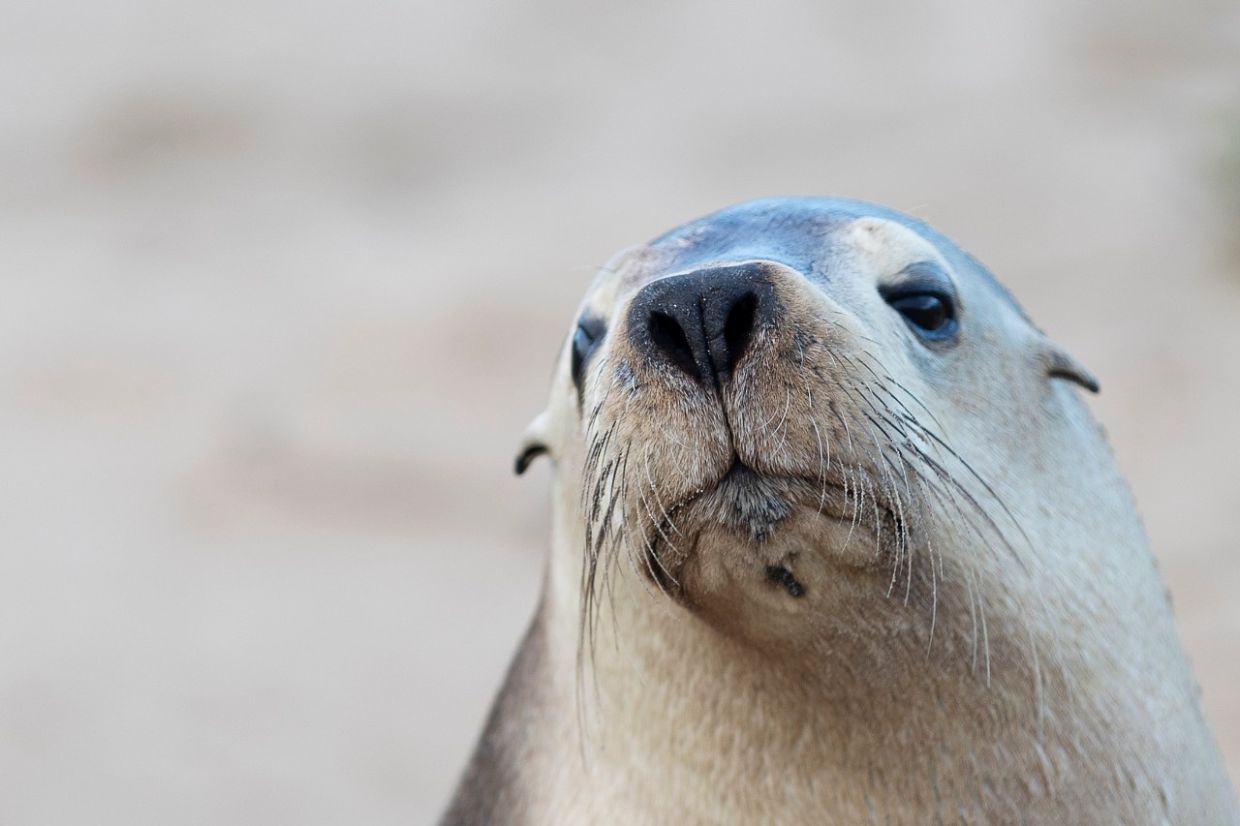
The sheer velocity of transmission has caught authorities off guard. In a single week spanning Monday to Friday (July 31), South Australia reported 33 new cases of the virus—a surge that underscores the strain's transmissibility through seabird populations. Four of these recently detected infections appeared on Kangaroo Island, the state's offshore territory that functions as a critical refuge for marine wildlife. One particular case emerged from Seal Bay, a location of profound conservation significance: this modest coastal reserve harbours approximately five per cent of the entire global population of the Australian sea lion, a species whose numbers have been so depleted that it now ranks among the world's most imperiled pinnipeds.
Wayne Boardman, a specialist in wildlife medicine at the University of Adelaide, articulated the grim prognosis during a media interview on Friday, drawing directly from documented precedent in the Southern Hemisphere. The veterinarian explained that historical patterns from South American outbreaks demonstrate unambiguously that sea lions and fur seals possess an extreme vulnerability to H5N1 transmission. Once the virus enters avian populations inhabiting coastal breeding grounds, the chain of infection to marine mammals becomes not merely probable but virtually inevitable, he cautioned. His assessment carries considerable weight given the continent-wide evidence now available to the scientific community.
The South American precedent is sobering and instructive for understanding what may unfold on Australia's coast. During 2022, a comparable H5N1 outbreak devastated sea lion populations across the continent, resulting in the deaths of approximately 30,000 animals within a six-month timeframe. The scale of that mortality event stands as a stark reminder of the virus's lethality when transmitted to pinnipeds. More recently, between August 2025 and January 2026, southern elephant seal pups on Heard Island in the Southern Ocean experienced catastrophic losses, with an estimated 13,359 animals perishing from infection. These consecutive disasters have crystallized scientific understanding that marine mammals occupy a zone of extreme vulnerability once H5N1 becomes established in coastal bird communities.
The spatial proximity of confirmed infections to Seal Bay crystallizes the urgency. This is not a hypothetical threat playing out in distant waters but rather an immediate danger materializing in the very habitat where endangered sea lions congregate to breed and nurse their young. The Australian sea lion, already reduced to perhaps 10,000 individuals globally, cannot absorb significant mortality without facing existential pressure. For a species whose population recovery has proceeded incrementally over decades, a single mass die-off event could reverse conservation gains and push the species further toward the brink.
Responding to the escalating crisis, South Australian authorities moved decisively this week by imposing a temporary suspension on beach tours at Seal Bay. This precautionary measure attempts to minimize human-mediated virus transmission while simultaneously reducing disturbance to animals already stressed by the presence of infected birds within their immediate environment. Tourism suspension represents a practical acknowledgment that human activity, however well-intentioned, risks accelerating the spread within vulnerable populations during this critical window.
Julie Collins, the federal Minister for Agriculture, Fisheries and Forestry, provided reassurance during Friday's media statements that government agencies and scientific experts are coordinating containment efforts. Her remarks emphasized that the virus has not penetrated commercial agricultural operations or intensive poultry farming systems, a crucial distinction given Australia's substantial egg and chicken industries. She further stressed that the risk profile for human transmission remains decidedly low, positioning the current crisis primarily as an ecological rather than public health emergency—though the distinction offers scant comfort to conservationists watching helplessly as a preventable calamity approaches.
The geographic distribution of confirmed cases across South Australia, extending now to 14 additional infections in other Australian states and territories, suggests the virus possesses considerable capacity for dispersal through natural avian migration routes. Seabirds do not respect state boundaries, and their seasonal movements historically follow food sources and breeding cycles that transcend human jurisdictional lines. This biological reality means that even aggressive localized containment measures face inherent limitations when the vector species comprises highly mobile wild animals spanning continental distances.
For Southeast Asian observers and policymakers, the Australian situation carries instructive relevance. The region's extensive coastal ecosystems, multiple pinniped and marine mammal populations, and reliance on bird-dominated ecological networks mean that similar transmission pathways could emerge domestically should H5N1 become established in regional seabird populations. Malaysia's own marine biodiversity, though distinct from Australian species, includes vulnerable populations that could face comparable risks should the virus spread beyond avian hosts. The Australian experience thus functions as an early warning system for regional governments to strengthen surveillance protocols, develop contingency plans for marine mammal populations, and establish cross-border coordination mechanisms for managing transnational disease vectors.
The H5N1 outbreak unfolding across South Australia represents a critical juncture where ecological conservation and disease management intersect with urgent consequences. The window for preventing catastrophic losses to the Australian sea lion population appears narrow, closing with each passing day as the virus consolidates its presence in coastal seabird populations. While immediate containment efforts continue, the historical precedent from other continents suggests that prevention, rather than mitigation after spillover occurs, represents the only realistic path to protecting this endangered species from potential decimation.

