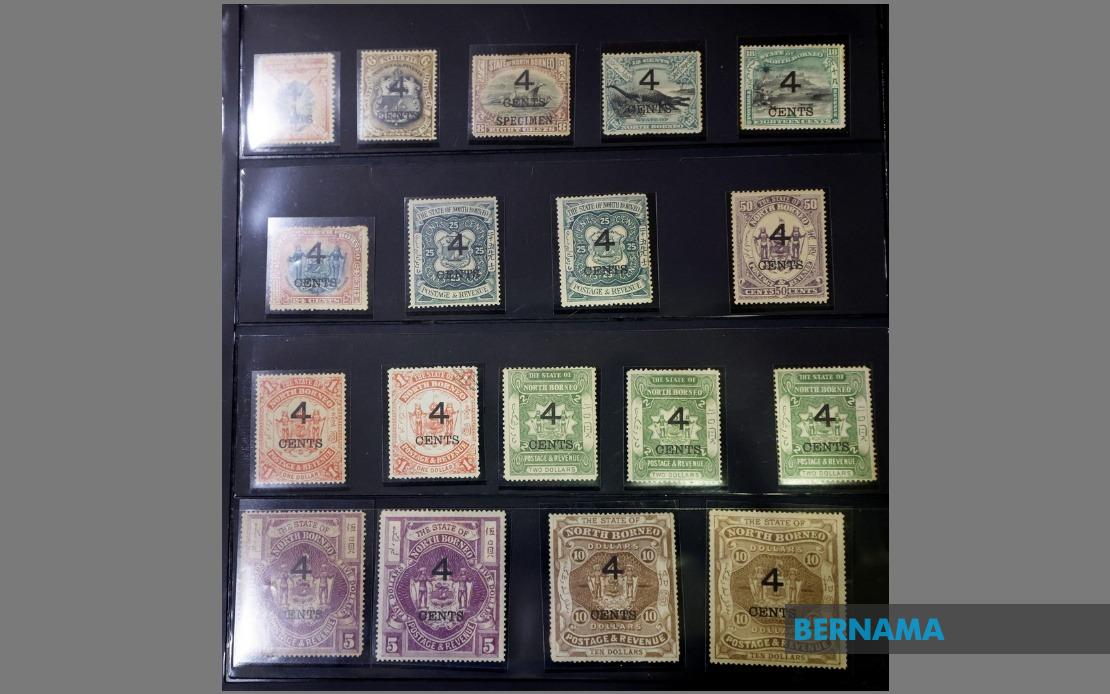
In Kota Kinabalu, a quiet but significant battle is unfolding to save the tangible history of North Borneo from disappearing into obscurity. The region's antique stamps, issued between 1883 and 1963, represent far more than postal artifacts—they are windows into Sabah's transformation through the colonial era and into independence. Yet as digital communication has displaced the handwritten letter, these miniature chronicles risk being lost to indifference and neglect, prompting conservationists to intensify their efforts to ensure these precious records survive for posterity.
Dr Shari Jeffri, the 56-year-old founder and president of the Borneo History Association, frames North Borneo's philatelic collection as a "living archive" that demands transmission to younger generations to prevent historical amnesia. His perspective reflects a growing anxiety among heritage enthusiasts across Southeast Asia that the rapid pace of modernisation and technological change threatens to sever cultural continuity. The stamps themselves document Sabah's administrative transformation, from the British North Borneo Chartered Company's establishment in 1883 through more than half a century of colonial governance, making their preservation an act of historical stewardship.
The market reality underscores the urgency. Surveys of Kota Kinabalu's antique dealers reveal that acquiring these stamps has become increasingly challenging, with prices escalating in response to limited supply and rising scarcity. Condition, rarity, and age determine valuations, creating a situation where ordinary collectors find themselves priced out of participation. One discovered item exemplifies this trend: an album housing a six-cent stamp depicting Queen Elizabeth II alongside a Dusun woman, issued between 1954 and 1961, illustrates how the collection simultaneously recorded colonial hierarchy and local indigenous presence. Similarly, a ten-cent denomination showcasing logging operations captures the economic activities that shaped Sabah's development trajectory during that era.
Shari's personal journey into philately illuminates how stamp collecting functioned as a generational bridge in pre-digital Sabah. His grandfather, who worked at the Recreation Club Jesselton during the 1920s, began accumulating stamps and postal materials after observing British officers' enthusiasm for the hobby. This inheritance—both tangible and cultural—propelled Shari's own engagement with the field. Introduced to collecting at age seven, he became actively involved during secondary school, eventually developing an expertise that has sustained him for nearly four decades. His trajectory demonstrates how philately in Southeast Asia historically connected communities across class and nationality, providing shared intellectual ground that transcended colonial boundaries.
The early design evolution of North Borneo stamps encodes Sabah's own narrative arc. Initial issues from 1883 featured symbolic imagery—lions, boats, and tigers—reflecting Victorian aesthetic preferences and imperial iconography. This aesthetic shifted around 1894, when designers began incorporating Borneo's indigenous flora, fauna, and wildlife, signaling a subtle recognition of local ecological distinctiveness within colonial administrative structures. The 1935 redesign marked another inflection point, introducing motifs that more deliberately articulated Sabah's regional identity. These progression through various denominations from two sen to one dollar tell stories of commerce, communication networks, and the quotidian transactions that sustained colonial society. For serious collectors, the 1883 issue remains quintessential, with Shari's own two two-cent stamps from that year—bearing brown sailing boats and postmarks—representing the crown jewels of his inherited collection.
Authenticity represents one of the most technically demanding aspects of stamp preservation, particularly for Malaysian and Southeast Asian collectors operating at distance from established expertise centers. Shari has sought guidance from Singapore-based specialists Voon Kyam Foh and Tan Chun Lim, alongside consulting standardised references such as Commonwealth & British Empire Stamps catalogues. The authentication process itself requires understanding the evolution of postal practices, paper composition, and manufacturing techniques. Complete postal cancellations—those displaying comprehensive information including mailing date, post office name, time, and location—represent the rarest category, commanding premium valuations precisely because they provide documentary evidence of the postal system's actual functioning. The glue-layer composition of stamp paper similarly constitutes a critical authenticity marker, requiring specialists' discernment to distinguish genuine colonial issues from later reproductions.
Conservation methodology demands rigorous environmental management that many amateur collectors lack resources to maintain. Shari emphasises that acid-free albums are non-negotiable for preventing deterioration, as standard materials accelerate fading and degradation over decades. This technical requirement poses particular challenges in Malaysia's tropical climate, where humidity fluctuations and heat stress accelerate chemical degradation. The distinction between conservation and mere storage becomes increasingly apparent as collectors confront the reality that casual preservation approaches inevitably compromise these fragile documents' longevity.
The declining enthusiasm for stamp collecting among younger Malaysians reflects broader shifts in how successive generations engage with historical documentation and physical artifacts. Dr Shari observes that contemporary youth are substantially less exposed to philately than previous cohorts, with active enthusiasts becoming proportionally scarcer. This generational attrition directly threatens institutional knowledge accumulation and the transmission of collecting expertise. Unlike digital archives that can be replicated and distributed infinitely, philatelic collections depend upon continuous human stewardship; each generation must choose to engage or abandon these materials, and current trends suggest engagement is waning.
The stakes extend beyond nostalgic heritage preservation into questions of historical authority and documentary completeness. North Borneo stamps represent an official administrative record of the territory's postal history, economic activities, and cultural representation during critical transformative decades. They document the transition from chartered company governance through formal colonial administration to eventual integration into Malaysia. Commercial logging operations visible on period stamps, indigenous populations rendered on currency denominations, and the gradual design evolution toward local symbolism all constitute historical testimony that complements written archives. The visual record that stamps provide—of what colonial authorities chose to emphasise, how indigenous peoples were represented, what economic activities received official sanction—offers historians interpretive resources unavailable through conventional documentation.
Regional implications deserve consideration, as other Southeast Asian nations confronting post-colonial heritage challenges might draw parallels from Sabah's experience. The commodification of historical stamps within antique markets creates inherent tensions between accessibility and preservation. When valuable items circulate primarily through expensive specialty markets, they effectively become inaccessible to researchers, students, and ordinary citizens seeking connection with their own histories. This dynamic has prompted heritage institutions across the region to reconsider whether centralised archival preservation might better serve public historical interests than dispersed private collecting.
The broader challenge confronting Malaysian and Southeast Asian heritage stewardship involves establishing institutional frameworks that balance collector autonomy with historical stewardship obligations. Museum exhibitions, digitisation initiatives, and educational programming might sustain public engagement with philatelic history without requiring specialised personal collecting expertise. Digital facsimiles, while unable to replace material artifacts' authenticity, could democratise access to the historical information these stamps contain. Such hybrid approaches might simultaneously support dedicated collectors like Dr Shari while ensuring that North Borneo's documentary legacy survives regardless of shifting generational enthusiasms.
For Malaysia specifically, North Borneo stamps represent tangible connectors to Sabah's distinctive pre-Malaysia history, a period when the territory maintained separate administrative identity and international postal relations. Preserving this collection upholds the documentary foundations upon which regional historical understanding ultimately rests. The challenge ahead involves translating Dr Shari's personal commitment and expertise into sustainable institutional preservation mechanisms that will ensure these miniature chronicles continue narrating Sabah's journey to audiences yet unborn. Without deliberate intervention, these silent witnesses to history risk disappearing into the silence of abandonment.

