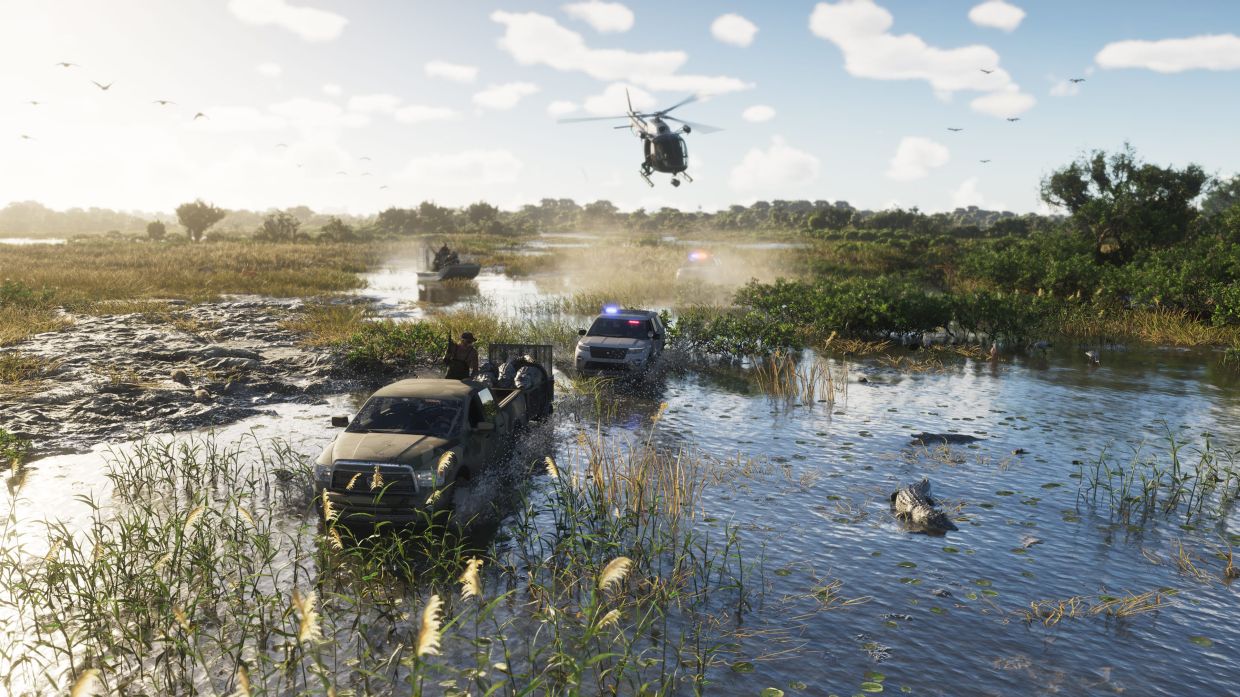
The long-awaited Grand Theft Auto VI finally arrived in official form on Netflix on August 27, though the gaming industry's biggest franchise wished the circumstances had been more tightly controlled. The preview introduces players to Jason, the game's protagonist, and his partner Lucia as they flee the scene of a botched drug operation, kicking off what promises to be an explosive criminal narrative reminiscent of classic outlaw storytelling. The official footage confirmed months of rumors and leaked clips, marking a turning point for a title that had already dominated gaming conversations despite remaining unreleased.
The three-minute preview functions as a cinematic teaser rather than a comprehensive gameplay demonstration, moving rapidly through the adrenaline-fueled sequences fans have come to expect from the franchise. Car chases dominate the action, weaving between traffic and punctuated by narrow escapes. Scattered throughout are confrontations involving firearms, visits to adult entertainment venues, and tense negotiations that play out on rooftops against what appears to be a Miami skyline. Interactive elements visible on screen suggest that players will have agency over their characters' relationships, with on-screen prompts allowing Jason and Lucia to hold hands—a small detail that hints at the personal dimensions woven throughout the narrative.
The comparison between Jason and Lucia to Bonnie and Clyde carries particular resonance, instantly contextualizing their dynamic as outlaw partners driven by circumstance and mutual dependence rather than traditional heroic motivation. That historical reference to the Depression-era couple who became notorious for bank robberies and violent confrontations with authorities establishes the emotional core of what players can expect: a crime story centered on two individuals against the world, likely to be filled with moral complexity and betrayal.
Rockstar's path to this official reveal was marred by frustration that hardly befits one of entertainment's most powerful franchises. Beginning in mid-August, comprehensive gameplay footage surfaced online through sources attributed to an account using the pseudonym Cyberleek. The leaked material included cutscenes, dialogue, mission structures, and environmental details that would normally be preserved for carefully orchestrated marketing reveals. In a statement published across social media, Rockstar expressed genuine disappointment, acknowledging that "this is obviously not how we intended for you to see the game after all this time," signaling that years of development had been undermined by premature exposure.
The company's response extended beyond public complaints into legal action. On August 21, Rockstar obtained court orders signed by two federal judges in New York that compelled Microsoft and Discord to surrender data that might identify those responsible for the leaks. These subpoena requests, filed a day earlier, represented an escalation of Rockstar's effort to trace the source and potentially pursue prosecution. The legal strategy targeted major platforms that could host the leaked material or facilitate communication between the perpetrators, suggesting a coordinated effort to both identify and deter future breaches.
Cyberleek's stated motivation appears rooted in ideological objection to gaming industry practices rather than commercial gain. The pseudonymous actor or actors claim their leaks serve to expose problematic business models and corporate behavior within major publishers. This framing distinguishes the incident from traditional corporate espionage, positioning it instead as an act of transparency activism—though the timing and scale of the release clearly caused disruption to Rockstar's tightly planned marketing schedule.
Parent company Take-Two Interactive has already attracted considerable criticism in the lead-up to launch for decisions that many players perceive as extractive. The decision to forego physical copies entirely and instead pursue a digital-only distribution model disappointed collectors and those seeking ownership permanence. More controversially, the company announced tiered pricing that offers a "premium edition" with additional in-game content at a substantially higher price point than the standard version, a practice that industry observers argue fragments the player base and creates pressure toward cosmetic spending.
The leaked footage and official preview occurred against a backdrop of unusual marketing creativity from unexpected quarters. A United States Army unit, seeking to boost reenlistment among soldiers nearing the end of their current service commitments, reportedly offered eligible personnel four days of paid leave specifically to play GTA VI in exchange for signing on for additional years of military service. According to information reported by military news outlet Task & Purpose, the incentive appealed to approximately twenty of the one hundred thirty soldiers eligible for the offer, each accepting a minimum two-year commitment in exchange for the gaming leave. The initiative underscores the cultural penetration of the franchise, even into institutions traditionally distant from gaming culture.
For Malaysian and Southeast Asian players, the GTA VI release carries particular significance given the region's growing gaming prominence and the franchise's historical engagement with diverse international settings. The series has previously drawn both enthusiasm and controversy in markets across Asia, with some iterations facing regulatory scrutiny in various territories. The Miami setting of this iteration, given the franchise's pattern of satirizing American culture and geography, may offer less direct regional resonance than some previous entries, yet the game's continued development as a flagship entertainment product reflects broader trends in how gaming, cinema, and interactive storytelling continue to converge globally.
The YouTube release scheduled for later on August 27 would extend access beyond Netflix subscribers, democratizing access to the official preview across viewing platforms. This multi-platform rollout suggests Rockstar learned from the leak situation, accelerating their planned reveal rather than attempting to maintain exclusivity in the face of widespread unauthorized distribution. The decision trades controlled messaging for speed, acknowledging that the narrative had already escaped their grasp and that official confirmation and framing became more valuable than preserving surprise.
Rockstar's frustration over the leaks, despite the eventual execution of their preview strategy, signals the ongoing tension between entertainment companies and digital culture's tendency toward rapid information dissemination. While the preview ultimately reached audiences as intended, the intervening months of unauthorized footage represented a loss of narrative control that few major studios can tolerate. The legal pursuit of those responsible and the expedited official reveal both testify to how deeply companies now view information custody as essential to their marketing power.

