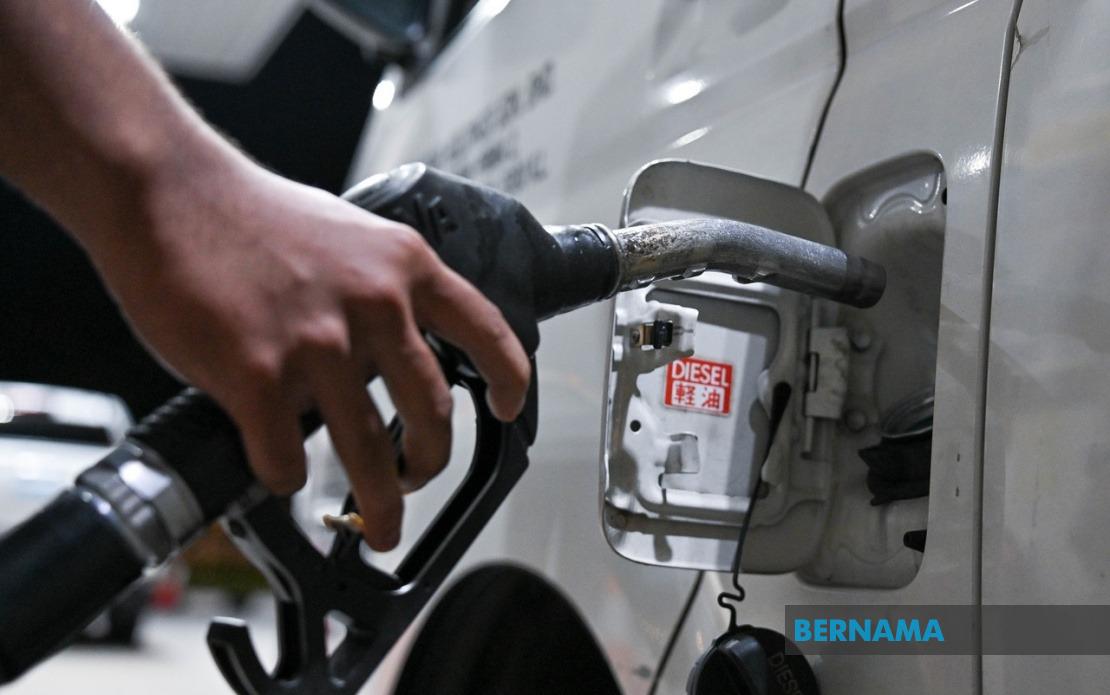
The federal government has committed to a data-driven approach in managing the BUDI Diesel fuel subsidy programme, with Finance Minister II Datuk Seri Amir Hamzah Azizan pledging ongoing assessment based on real-world usage patterns and feedback from the ground. Speaking in Kota Kinabalu on July 5, Amir Hamzah emphasised that the rollout, which commenced on July 1 in Sabah and Sarawak, remains in its early stages and any significant policy adjustments will only materialise once sufficient monitoring data has been accumulated.
The minister's comments address concerns about whether the quota structure might be reassessed after the initial five-day implementation period. Rather than committing to a fixed review timetable, Amir Hamzah outlined a flexible framework that prioritises empirical evidence over predetermined schedules. This approach reflects lessons learned from the earlier BUDI95 petrol subsidy initiative, where quotas were adjusted downward from 300 litres to 200 litres following analysis of actual consumption behaviour. The government discovered that more than 94 to 95 per cent of users consistently purchased below 300 litres monthly, while fewer than one per cent regularly exceeded 200 litres, making the reduction justified by usage data rather than a cost-cutting measure.
Amir Hamzah stressed that policy refinement at the national level will proceed methodically as implementation data accumulates across both states. However, the government is already moving swiftly to address specific localized concerns raised through feedback mechanisms. Ground teams have been deployed to engage directly with stakeholders, particularly regarding vehicle ownership issues and access challenges in underserved communities. This dual-track approach—national-level patience with data collection coupled with rapid response to specific grievances—reflects an attempt to balance fiscal responsibility with addressing implementation friction.
Operational stability appears to have been maintained during the initial rollout phase. All petrol stations in Sabah and Sarawak have implemented the system without significant disruption, and eligible users have generally been able to purchase subsidised fuel without encountering technical obstacles. This operational success in the first five days provides a foundation for broader assessment, though the true test of the programme's effectiveness will emerge once usage patterns stabilise and recurring issues become apparent.
The government is also exploring alternative mechanisms to ensure subsidies reach intended beneficiaries while accommodating diverse user circumstances. While the MyKad identification system serves individual consumers, officials are considering fleet card arrangements for service providers—a measure particularly relevant for rural communities where vehicle registration patterns may differ from urban areas. This flexibility acknowledges that a one-size-fits-all approach risks excluding legitimate beneficiaries or creating unintended barriers to access.
Improving public understanding of eligibility requirements and application procedures has emerged as a priority alongside technical implementation. Amir Hamzah highlighted the importance of enquiry counter initiatives at petrol stations, positioning these as educational touchpoints rather than mere administrative interfaces. Enhanced collaboration between government agencies and oil company operators will focus on streamlining eligibility checks through QR code verification and online application platforms, reducing friction at the point of sale.
For Malaysian readers and regional observers, the BUDI Diesel programme represents a significant test of whether Southeast Asian governments can implement targeted fuel subsidies efficiently while containing fiscal costs. Traditional fuel subsidy regimes across the region have often proven difficult to adjust without political backlash, yet Malaysia's willingness to gather empirical data before making system-wide changes suggests a more sophisticated approach than past initiatives. The challenge lies in maintaining this data-driven discipline when political pressures inevitably mount for quota expansions or eligibility broadening.
The programme's success in Sabah and Sarawak will likely influence broader policy frameworks across Peninsular Malaysia and inform how other Southeast Asian nations approach similar initiatives. If the government can demonstrate that targeted subsidies deliver genuine relief to intended beneficiaries while maintaining fiscal sustainability, it could establish a template for more efficient welfare delivery. Conversely, implementation failures or evidence of widespread leakage would strengthen arguments for alternative approaches such as cash transfers or broader price controls.
Amir Hamzah's emphasis on flexibility and data-responsiveness suggests the government recognises that subsidy programmes require continuous calibration rather than static design. The willingness to consider alternative arrangements such as fleet cards indicates openness to operational innovation beyond the initial framework. However, the distinction between this stated flexibility and actual willingness to make unpopular adjustments—such as further quota reductions if data warrants—remains to be tested once broader usage patterns emerge.
The coming weeks and months will prove crucial in determining whether this data-driven philosophy translates into concrete policy adjustments. The government must resist pressure to expand quotas or accessibility criteria based solely on political considerations, whilst simultaneously remaining responsive to genuine equity concerns identified through implementation feedback. This balancing act will ultimately define whether BUDI Diesel becomes a model for intelligent subsidy design or another programme that succumbs to the fiscal and political pressures that have historically undermined such initiatives across the region.

