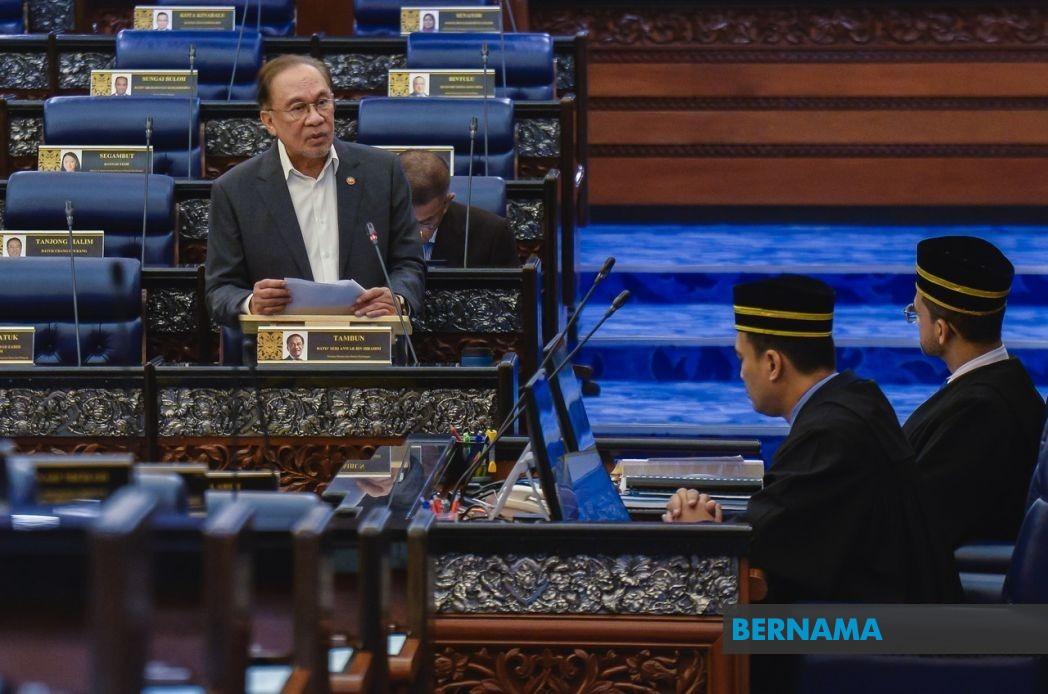
Prime Minister Datuk Seri Anwar Ibrahim has committed to launching a comprehensive review of financial losses allegedly incurred by petrol station operators during the rollout of Malaysia's targeted fuel subsidy scheme. Speaking during parliamentary question time, Anwar indicated that his government would gather additional information and hold substantive talks with oil companies to address grievances raised by station operators who claim to have suffered significant financial setbacks during the transition period.
The issue centres on petrol station operators' claims that they faced losses ranging from RM40,000 to RM50,000 each during the shift to the government's enhanced subsidy mechanism for RON95 petrol and diesel. These losses appear to have resulted from the operational challenges and timing issues associated with implementing the new targeted subsidy framework, which aimed to direct government support more efficiently to eligible consumers while maintaining fuel affordability across Malaysia's diverse regions.
Anwar, who also holds the portfolio of Finance Minister, responded to a supplementary parliamentary question raised by DAP member Howard Lee Chuan How representing Ipoh Timur. Lee had specifically highlighted the financial burden on station operators, bringing the matter to the attention of the legislature during Minister's Question Time in the Dewan Rakyat. The public airing of these concerns underscores the practical challenges that often accompany policy transitions, even when implemented with good intentions.
In his response, Anwar acknowledged the significant role that oil companies and petrol station operators have played in ensuring the successful implementation of Malaysia's targeted subsidy programme. The Prime Minister emphasised that without the voluntary cooperation and goodwill of these private sector stakeholders, the government would have faced considerable obstacles in rolling out and maintaining the RON95 petrol and diesel subsidy scheme effectively. This recognition reflects a pragmatic understanding that major economic policies require buy-in from industry partners to function smoothly.
The government has tasked Second Finance Minister Datuk Seri Amir Hamzah Azizan with gathering comprehensive details about the alleged losses and facilitating substantive dialogue with oil companies. This delegation suggests that the government takes the matter seriously enough to assign a senior ministry official to investigate and mediate between the government's policy objectives and the financial concerns of private operators. The involvement of the Second Finance Minister also indicates the technical and financial complexity of the issues at stake.
Anwar's response contained a conditional acknowledgement that if specific shortcomings or problems have been identified in the implementation process, the government remains open to discussing and addressing them collaboratively. This approach suggests a willingness to move beyond a purely administrative stance and engage in genuine problem-solving with affected stakeholders. The Prime Minister's phrasing—that solutions should be worked towards together—implies recognition that sustainable policy implementation requires mutual understanding rather than top-down imposition.
The targeted RON95 subsidy scheme represents a significant policy evolution in Malaysia's approach to fuel subsidies. Rather than providing blanket support to all consumers regardless of income level, the enhanced mechanism attempts to concentrate government assistance where it is deemed most needed, theoretically improving fiscal efficiency while maintaining social support. However, the transition from the previous system to this new model has clearly created operational friction and financial strain for some intermediaries in the distribution chain.
For Malaysian petrol station operators, the loss figures cited—between RM40,000 and RM50,000 per station—represent substantial sums that could threaten the viability of smaller independent operators who operate on relatively thin margins. Many such stations form critical nodes in Malaysia's fuel distribution network, particularly in rural and semi-urban areas where larger corporate chains may find operations less profitable. Any systemic losses in this sector could have ripple effects on fuel availability and pricing across the country.
The government's commitment to review these losses also reflects broader policy considerations about the sustainability and fairness of subsidy mechanisms. While targeted subsidies aim to reduce fiscal burden compared to universal support, they must not create perverse incentives or unfairly disadvantage those tasked with implementing them. Finding this balance requires ongoing dialogue and adjustment, particularly during transition phases when old and new systems briefly coexist.
From a regional perspective, Malaysia's experience with subsidy transitions carries relevance for other Southeast Asian economies grappling with similar questions about how to support fuel affordability while managing government finances responsibly. The challenges faced during Malaysia's rollout provide instructive lessons about the importance of stakeholder engagement, adequate lead time for implementation, and mechanisms for addressing unintended consequences that emerge during policy transitions.
The government's willingness to engage in this review also signals its commitment to maintaining the confidence of private sector partners in future policy implementations. If operators perceive that they bear unreasonable risks or face uncompensated losses when serving government policy objectives, they may become less cooperative with future initiatives. Conversely, demonstrating responsiveness to legitimate grievances encourages constructive partnerships between government and industry.
Looking forward, the discussions between the Second Finance Minister and oil companies will likely examine whether compensation mechanisms, extended implementation timelines, or procedural adjustments could have mitigated or prevented the reported losses. Such findings could inform how future policy transitions are managed across Malaysia's economy, potentially establishing better practices for balancing fiscal objectives with fair treatment of private sector implementers.

