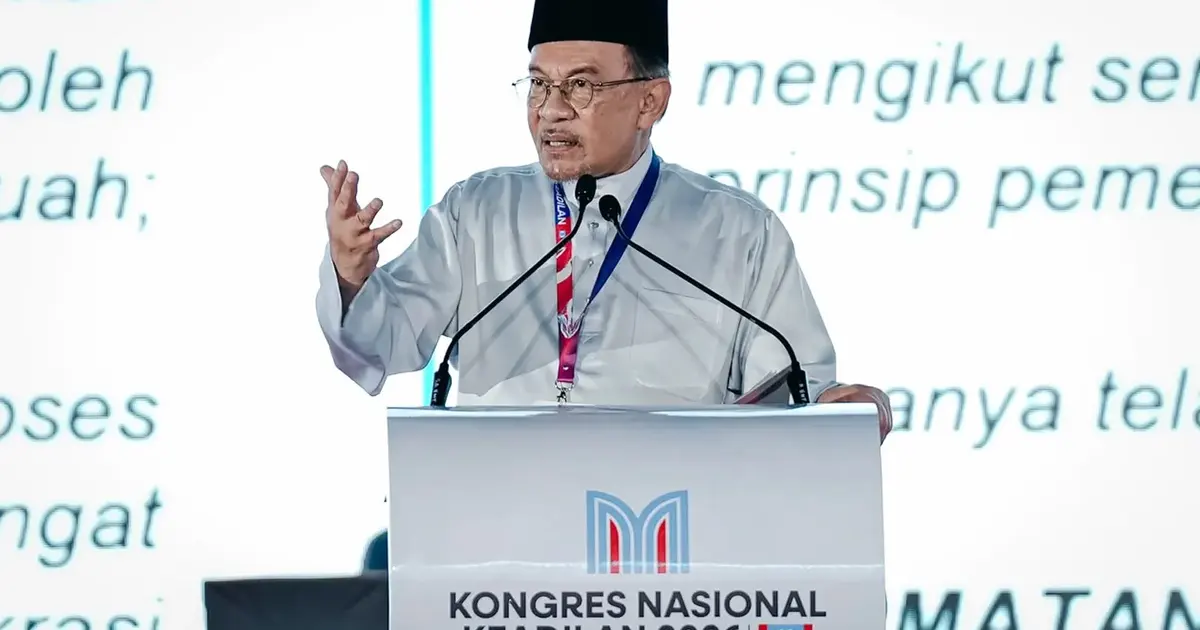
Prime Minister Anwar Ibrahim has signalled that the government's investigative focus will shift toward Felda, the Federal Land Development Authority, once its ongoing examination of Tabung Haji concludes. The announcement reflects wider institutional concern about accountability within Malaysia's statutory bodies and comes after the Yang di-Pertuan Agong expressed the desire to see probes extend beyond the troubled pilgrims' fund.
The government's intention to broaden its investigative scope addresses growing public concerns about governance standards across multiple state-owned entities. Tabung Haji, which manages pilgrimage funds for millions of Malaysians, has faced mounting scrutiny over financial management and operational transparency. By signalling that Felda investigation would follow, the administration underscores a commitment to systemic institutional review rather than isolated corporate governance interventions.
Felda, established to develop agricultural land and improve the welfare of settlers, has long operated as a significant economic player managing vast land holdings across Peninsular Malaysia. The organisation oversees hundreds of thousands of settlers and their dependents, making it a critical component of rural development policy. Historical concerns about land utilisation, settler welfare provisions, and asset management have periodically surfaced, suggesting the organisation could face considerable scrutiny under a formal government investigation.
The timing of this announcement carries political significance. Anwar's government has positioned itself as committed to tackling corruption and improving institutional governance—themes central to his coalition's political messaging. By explicitly committing to investigate major statutory bodies, the administration demonstrates responsiveness to both the royal institution and the public appetite for institutional accountability.
The Yang di-Pertuan Agong's intervention in directing broader investigations reflects the constitutional role of the monarchy in overseeing governance standards. Royal concerns about multiple statutory bodies suggest a broader institutional concern about how state-owned entities manage public resources and serve their constituencies. This alignment between executive intention and royal directive provides political momentum for the inquiry process.
For Malaysian investors and the general public, clarification of Felda's operational and financial status carries implications beyond agricultural policy. The organisation holds substantial property assets, manages commercial operations, and influences rural economic development across multiple states. A comprehensive investigation could reshape how the organisation operates and how resources are allocated to its beneficiaries.
Felda's settler population represents a politically significant demographic, particularly in rural constituencies where agricultural communities hold substantial electoral influence. Any investigation findings could affect policy decisions regarding settler welfare programmes, land management strategies, and development initiatives. The government's willingness to examine Felda demonstrates awareness that institutional credibility depends on extending accountability measures across major organisations, not merely addressing isolated cases.
The investigation framework itself remains undefined, though comparison with the Tabung Haji process suggests the inquiry could involve financial audits, governance assessments, and operational reviews. Felda's complexity—spanning agricultural development, property management, and social welfare functions—means investigations would likely examine multiple operational dimensions rather than focusing narrowly on single issues.
Regional observers note that Malaysia's approach to investigating statutory bodies reflects broader Southeast Asian trends toward enhanced governance scrutiny. As regional economies become more sophisticated and investors demand greater transparency, government institutions face mounting pressure to demonstrate competent, ethical management. Malaysia's decision to extend investigations across multiple bodies positions the nation within this regional governance evolution.
The broader context of institutional investigation in Malaysia includes ongoing efforts to strengthen fiscal accountability, combat corruption, and restore public confidence in state-owned enterprises following various scandals. By establishing that Tabung Haji probes represent merely the initial phase of broader institutional review, the government signals determination to address systemic governance challenges rather than engaging in selective accountability.
Stakeholders within Felda—including settler representatives, management, and investors—may anticipate varying investigation outcomes depending on which operational areas receive emphasis. The settlers themselves represent a constituency with significant political voice, meaning investigation findings could generate substantial public discourse about institutional performance and resource allocation priorities.
The investigation's scope and methodology will likely influence how comprehensively governance issues are identified and addressed. Establishing robust investigative processes sends market signals about Malaysia's commitment to institutional integrity, potentially affecting investor confidence in the broader statutory body landscape. Clear communication about investigation timelines and expected outcomes would help stakeholders prepare for potential operational adjustments.
As the government moves forward with this expanded accountability agenda, the success of the Tabung Haji investigation will substantially shape public expectations for the Felda inquiry. Each investigation completed becomes a template for subsequent examinations, establishing precedents for scope, methodology, and remedial actions. This sequential approach to institutional investigation suggests a government determined to address governance systematically while managing the complex political and operational implications of examining major organisations affecting millions of Malaysians.

