Malaysia's government has committed to establishing at least 1,000 MADANI Recreational Parks across the nation by 2030, representing a significant push to expand recreational infrastructure and improve quality of life for communities nationwide. The initiative reflects the administration's broader agenda to bring modern leisure facilities closer to residential areas where ordinary Malaysians live and work. According to Mansor Mohamad, director-general of the National Landscape Department, 216 of these parks have already been completed, demonstrating tangible progress toward this substantial goal.
Construction momentum is accelerating, with an additional 100 parks currently under development during 2025 alone. This pace suggests the government remains on track to meet its 2030 deadline, though the scale of the undertaking remains considerable. Each park requires an investment ranging from RM400,000 to RM500,000, with variations depending on site dimensions and the specific architectural designs employed. For a nation with substantial geographic and demographic diversity, this cost structure represents a pragmatic approach to distributing recreational resources fairly across urban and semi-urban communities.
The strategic placement of these facilities addresses a critical gap in Malaysian urban planning. By situating parks within existing residential areas and community neighborhoods, the government ensures that residents need not travel significant distances to access quality recreational amenities. This approach recognizes that accessibility remains a cornerstone of inclusive public infrastructure, particularly for families with limited transportation options or mobility constraints. The emphasis on proximity represents a departure from traditional park development patterns that often concentrated facilities in designated zones rather than distributing them throughout population centers.
Universal design principles underpin the development of each MADANI park, ensuring that facilities accommodate users across the entire demographic spectrum. Children and teenagers gain safe spaces for physical activity and social interaction, while adults benefit from fitness and wellness areas. Critically, the inclusive framework explicitly incorporates provisions for persons with disabilities and elderly citizens, recognizing that modern recreational facilities must serve populations with varying physical capabilities. This commitment to accessibility reflects evolving attitudes toward public infrastructure in Malaysia and positions these parks as genuinely community-centered amenities rather than exclusionary spaces.
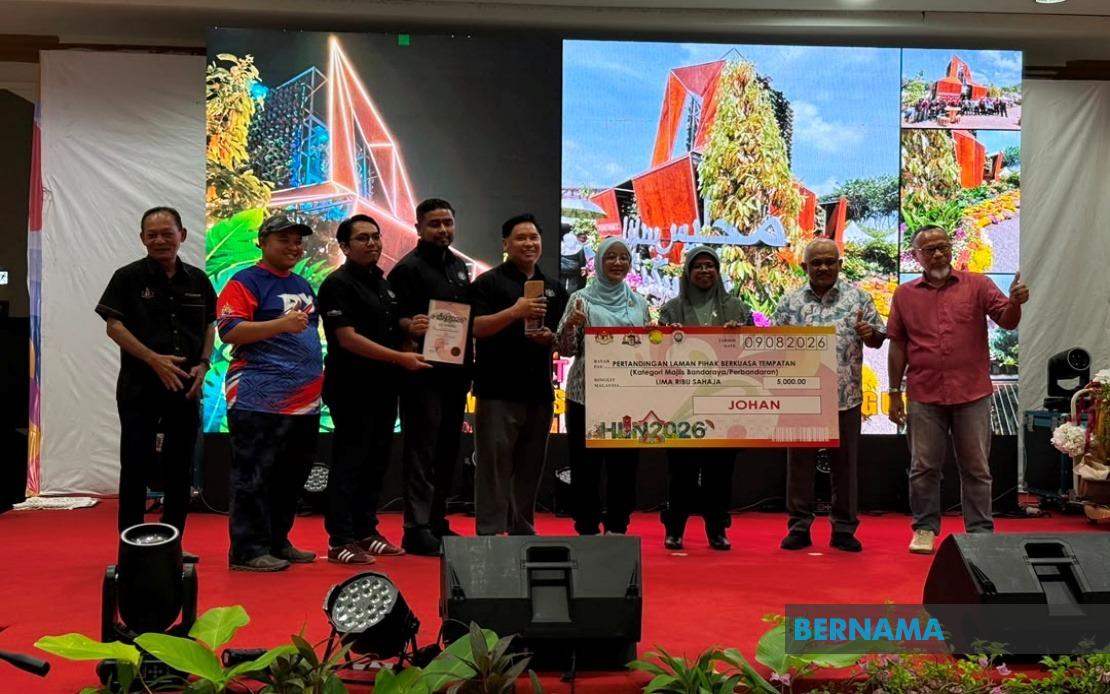
The National Landscape Day celebrations held in Melaka underscore the government's intent to embed landscaping culture more deeply within Malaysian society. The four-day event, which concluded with a prize-giving ceremony at Hang Jebat Stadium in Krubong, drew approximately 80,000 visitors, indicating substantial public interest in landscape design and recreational development. Deputy Housing and Local Government Minister Datuk Aiman Athirah Sabu's participation in the ceremony underscores the initiative's significance within the broader housing and urban development agenda.
Beyond the direct provision of recreational space, the MADANI Parks initiative catalyzes economic activity within Malaysia's landscaping and horticultural industries. The celebrations provided entrepreneurs and small business operators with platforms to display and market landscaping products and services directly to consumers. This dual purpose—simultaneously advancing public amenity provision while stimulating commercial opportunity—demonstrates how infrastructure initiatives can generate positive ripple effects throughout related economic sectors.
Looking forward, the National Landscape Department is preparing for sustained implementation of the program. Mansor indicated that preparations for next year's National Landscape Day celebrations would commence immediately, with attention devoted to identifying additional suitable locations and soliciting feedback from various stakeholders. This iterative approach suggests responsiveness to community input and recognition that park development succeeds when local populations shape designs and locations according to their specific needs and preferences.
The MADANI Parks initiative carries particular significance for Malaysia's urban planning trajectory. Rapid urbanization has created environmental pressures and reduced green spaces in many residential areas, contributing to quality-of-life challenges that extend beyond mere convenience. Access to recreational facilities correlates with improved public health outcomes, enhanced community cohesion, and reduced social fragmentation. By systematically expanding park infrastructure, the government addresses these interconnected challenges.
For Southeast Asian observers, Malaysia's approach offers an instructive model for democratizing recreational infrastructure. The emphasis on universal design and community-based placement contrasts with historical approaches that often treated parks as prestige projects concentrated in wealthier districts. The financial commitment—potentially exceeding RM400 million when fully implemented—reflects confidence that recreational amenity provision merits substantial public investment. As other regional nations grapple with urbanization pressures, Malaysia's systematic approach to park development warrants careful examination.

