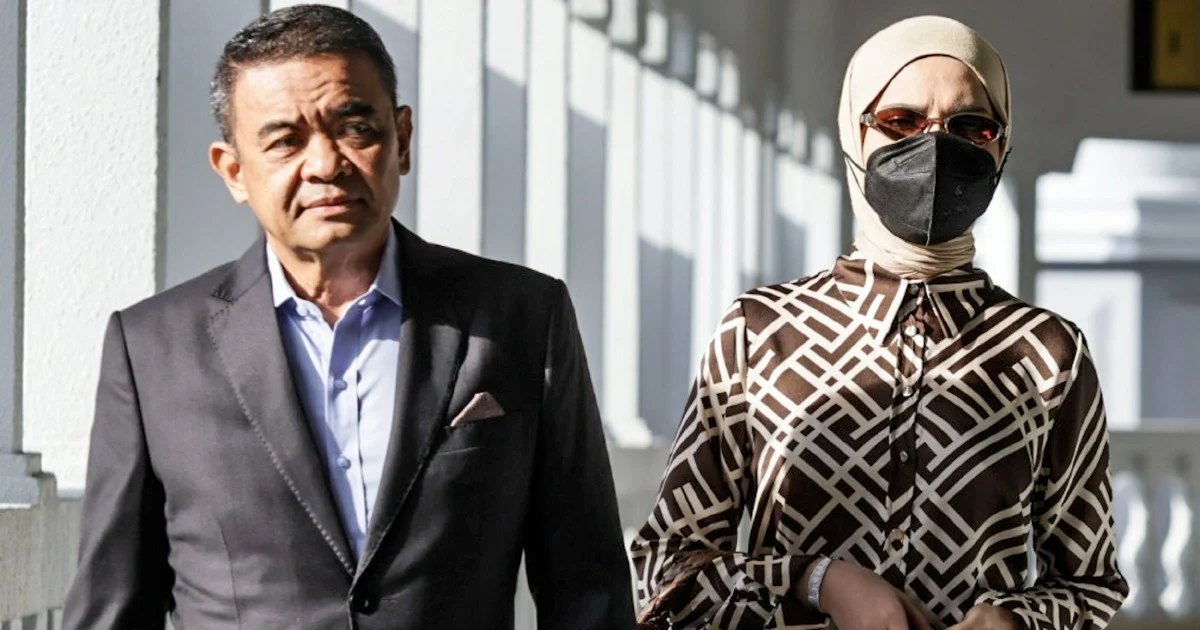
The Malaysian Anti-Corruption Commission has secured the forfeiture of 23 Rolex watches and 15 pieces of jewellery to the government in a case involving the sister-in-law of retired General Tan Sri Muhammad Hafizuddeain Jantan. The luxury items, which were originally seized during investigations, now become state property following the legal forfeiture proceedings.
This development underscores the MACC's intensifying focus on unexplained wealth accumulation among individuals connected to senior military and government figures. The forfeiture of luxury goods, particularly high-value timepieces such as Rolex watches, has become an increasingly common enforcement tool as anti-corruption agencies pursue asset recovery across Southeast Asia. The specific targeting of the former army chief's family members reflects broader investigative strategies aimed at uncovering potential misuse of position and authority.
General Tan Sri Muhammad Hafizuddeain Jantan, who previously held the position of Chief of Defence Force, represents one of Malaysia's most senior military appointments. The investigation into his sister-in-law's assets adds to mounting scrutiny of how individuals in close proximity to power centres have accumulated substantial material wealth. Such cases often attract significant public attention given the prominence of the individuals involved and the symbolic importance of accountability among Malaysia's defence establishment.
The forfeiture process itself demonstrates the MACC's expanding capacity to pursue civil recovery mechanisms separate from criminal prosecution. Rather than waiting for criminal convictions, which can extend over years through multiple court appeals, asset forfeiture allows authorities to rapidly secure state ownership of suspicious property. This approach has proven particularly effective in jurisdictions where evidence of direct criminal wrongdoing may be circumstantial but where the scale of assets dramatically outpaces documented legitimate income.
The luxury watch market, particularly for collector pieces from established brands like Rolex, has long attracted scrutiny from anti-corruption agencies worldwide. Such items serve multiple functions within networks of influence—they signal status, facilitate informal gifting arrangements, and provide relatively portable stores of value that can cross borders with minimal documentation. The accumulation of 23 Rolex timepieces suggests either substantial personal purchasing power or receipt of significant gifts, both scenarios warranting investigation given the subject's family connection to a senior military official.
For Malaysia's anti-corruption framework, this case illustrates the gradual sophistication of investigative and legal approaches. The MACC has increasingly moved beyond pursuing individual criminal cases to adopting multi-pronged strategies that include asset recovery, financial tracing, and civil forfeiture. These mechanisms allow the agency to demonstrate tangible results and recover state resources even when criminal prosecutions face evidentiary challenges or encounter lengthy court processes.
The case also carries implications for military governance and institutional accountability. Malaysia's armed forces have historically operated with significant autonomy from civilian oversight, and corruption within defence procurement and senior officer networks has periodically surfaced. By pursuing investigations that touch senior military figures and their immediate circles, the MACC signals that no institutional hierarchy provides immunity from scrutiny, a message particularly important given Southeast Asia's general patterns of civil-military relations.
From a regional perspective, Malaysia's handling of such cases occurs within a broader context of anti-corruption efforts across Southeast Asia. Countries including Indonesia, Thailand, and the Philippines have similarly pursued asset forfeiture against officials and their associates, though with varying degrees of political will and institutional independence. Malaysia's approach, anchored by an MACC that has demonstrated considerable autonomy despite occasional political pressures, provides a regional model for combining investigation, prosecution, and asset recovery.
The conversion of seized assets into government property raises practical questions about how recovered wealth is allocated and managed. Malaysian authorities typically direct forfeited assets toward state revenue or specific purposes such as education and social welfare initiatives. The accumulation of luxury goods from multiple corruption cases has prompted discussions about establishing dedicated funds or assets recovery mechanisms that transparently account for recovered resources.
Looking forward, this forfeiture may catalyse additional investigations into military and defence sector wealth accumulation patterns. The MACC has indicated growing interest in tracing how individuals in senior positions acquire substantial asset portfolios, and cases like this one provide templates for pursuing associated family members. The precedent established through successful forfeiture proceedings against the sister-in-law creates foundation cases that can inform investigative strategy and legal arguments in subsequent matters.
The broader significance extends to public confidence in institutional accountability. High-profile cases involving connected individuals demonstrate whether anti-corruption mechanisms operate impartially or become subject to political interference. The successful completion of forfeiture proceedings in this instance suggests functional institutional independence, though observers will continue monitoring whether similarly prominent individuals face equivalent scrutiny regardless of their political or institutional affiliations.

