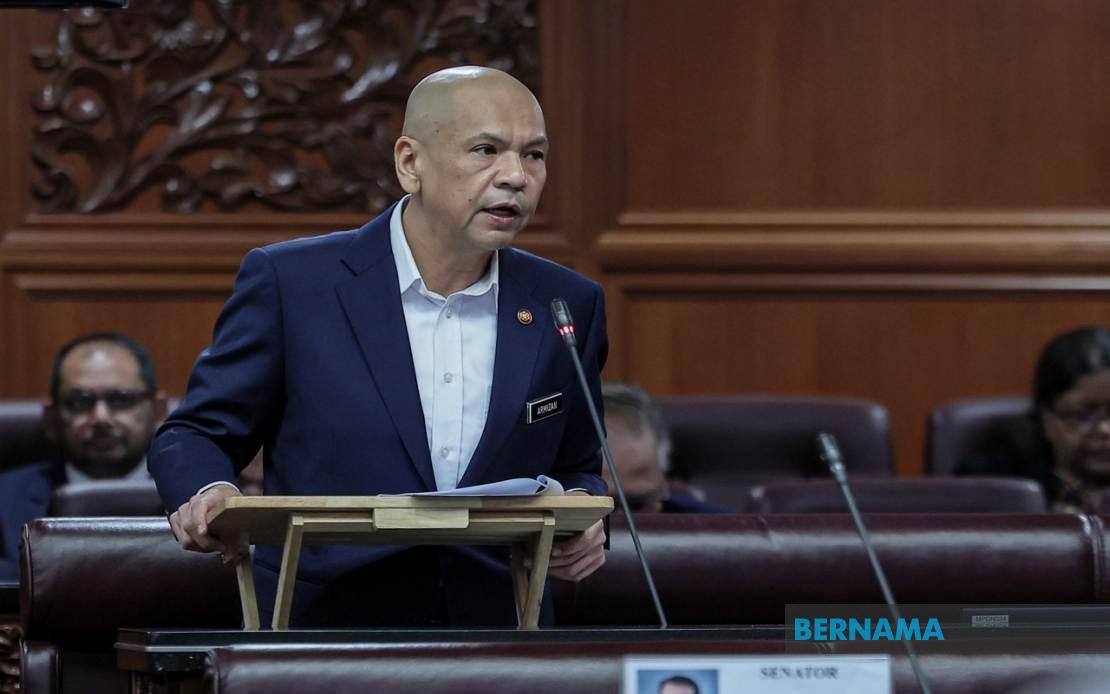
The Ministry of Domestic Trade and Cost of Living has significantly expanded its consumer assistance efforts, conducting 15,881 Rahmah MADANI Sales Programme events nationwide between January and June 2025, according to confirmation from Minister Datuk Armizan Mohd Ali. The initiative has achieved comprehensive geographic coverage, reaching every one of the country's 600 state constituencies as well as all 40 Federal Territory zones across Putrajaya, Kuala Lumpur, and Labuan.
Armizan, speaking during parliamentary proceedings on June 30, highlighted the government's commitment to increasing the frequency of these sales events in response to positive feedback from the public and various stakeholders. The programme represents a central pillar of the administration's cost-of-living intervention strategy, designed to provide relief to Malaysian households facing persistent inflationary pressures and supply chain challenges.
The growth trajectory of the initiative demonstrates remarkable year-on-year expansion. Event numbers surged from 6,870 sessions in 2023 to 12,419 in 2024, indicating the government's accelerating focus on this tool for economic relief. The trajectory continued sharply upward, with 25,708 events projected for 2025 based on the revised target. This represents more than a threefold increase from the pre-MADANI government era, signalling a fundamental shift in how authorities approach consumer price management through regular, scheduled interventions rather than sporadic initiatives.
The original annual target of 23,040 events for 2025 was revised significantly upward to 30,000, following Prime Minister Datuk Seri Anwar Ibrahim's May announcement. This upward revision reflects heightened government concern about economic pressures intensified by the West Asia conflict, which has disrupted global energy markets and supply chains. The decision underscores official recognition that traditional monetary and fiscal policy responses may require supplementation through direct consumer relief measures.
The government has implemented five distinct strategic pillars to institutionalise and strengthen the programme since 2023. First, the sales events have been formally embedded into the national budget as a permanent fixture beginning in 2024, assigned their own activity code and dedicated funding stream. This institutional embedding ensures continuity and removes the vulnerability of ad hoc budget allocations that characterised previous consumer relief efforts.
Second, the programme now operates under fixed annual targets and scheduled frequencies established for each state constituency and Federal Territory zone. This systematic approach contrasts sharply with previous government bargain sales initiatives, which were largely unplanned and reactive. The structured scheduling enables better resource allocation and allows members of the public to anticipate and plan their participation.
Third, the government has pursued aggressive private-sector engagement, recruiting 2,695 strategic retail partners from supermarket chains, smaller retailers, and cooperative societies as of late June. This partnership approach distributes the organisational burden across the retail ecosystem while ensuring diverse product selections and competitive pricing at individual events. The private sector integration also signals that cost containment is increasingly viewed as a shared responsibility between government and business.
Fourth, the programme employs multiple distribution channels to maximise reach. Events occur in physical retail locations, outdoor markets, and mobile setups that travel to underserved areas. Timing is coordinated with festive periods, paydays, and seasonal events like back-to-school promotions, enhancing relevance to consumer needs. This multi-channel approach ensures that both urban shoppers and residents in rural and remote localities can access discounted goods.
Fifth, beginning in 2025, the government introduced a comprehensive PJRM calendar providing advance notice of event dates, times, and locations across all constituencies and zones. This transparency enhancement empowers citizens to plan shopping activities strategically, potentially increasing participation rates and allowing households to budget more effectively around known discount periods.
The parliamentary exchange that prompted Armizan's detailed disclosure originated from a question by Datuk Iskandar Dzulkarnain Abdul Khalid (PN-Kuala Kangsar), who sought updated constituency-level programme data and ministerial assessment of whether the government could sustain higher event frequencies. The response indicates official confidence in the programme's scalability and effectiveness as a cost-of-living intervention tool.
For Malaysian households, the programme offers tangible relief through significantly discounted essential goods at each event. For policymakers in other Southeast Asian nations facing similar inflationary pressures and supply chain disruptions, Malaysia's experience provides a case study in how governments can operationalise consumer protection through large-scale, regularly scheduled market interventions. The initiative also reflects broader recognition that controlling living costs requires sustained, multi-stakeholder coordination rather than one-off policy adjustments.
The ambitious 30,000-event target for 2025 represents an extraordinary commitment of government resources and logistical coordination. Success or shortfall in achieving this goal will provide important indicators of the programme's role in the government's broader economic management strategy heading toward the latter half of the year.

