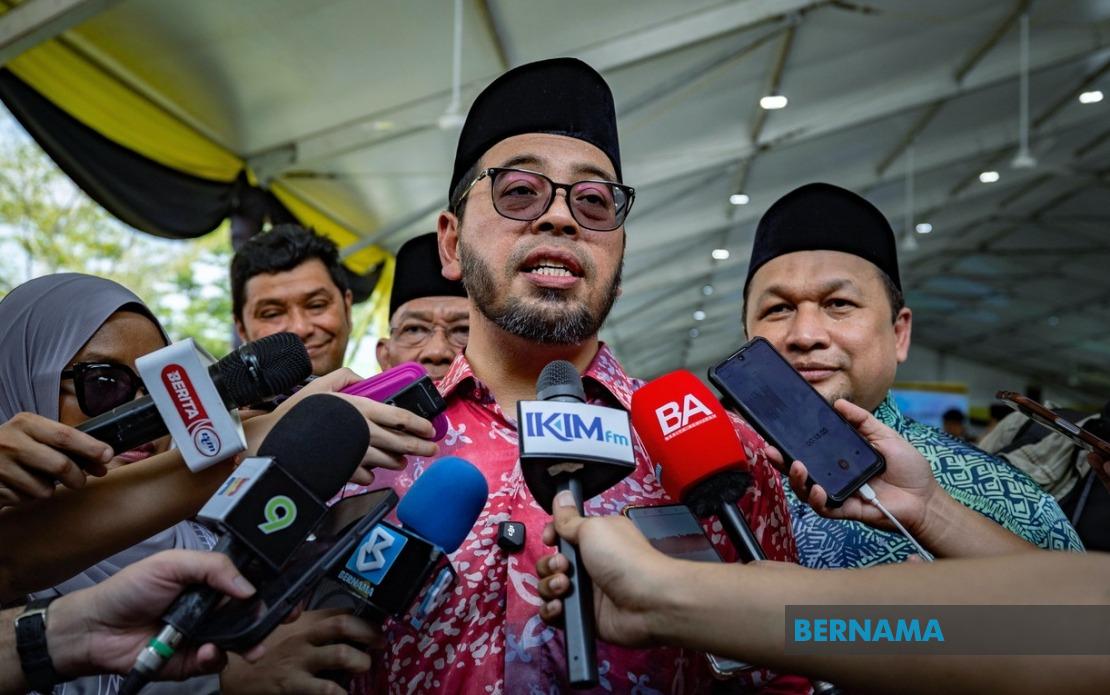
The federal government has reinforced its strategic commitment to Islamic educational institutions, positioning pondok and religious schools as vital partners in Malaysia's development framework. At the 2026 Perak Pondok and Religious Schools Gathering (HIPSA) in Chemor, Religious Affairs Minister Dr Zulkifli Hasan articulated a governance philosophy that extends beyond conventional economic metrics, arguing that authentic national progress rests on cultivating the character and values of its citizens rather than accumulating infrastructure and wealth alone.
The gathering, held at Sekolah Agama Bantuan Kerajaan Maahad Al-Ummah, drew approximately 3,000 participants representing the broader ecosystem of Islamic education in Malaysia. The event brought together pondok leaders, madrasah educators, KAFA teachers, non-governmental organisations and local community members, underscoring the grassroots reach and embedded social role of religious educational networks across the country. Prime Minister Datuk Seri Anwar Ibrahim officially opened proceedings, signalling high-level political endorsement of the sector's importance within the broader development agenda.
Zulkifli's remarks reflect a deliberate recalibration of how Malaysian policymakers define national success. Rather than privileging economic indicators or infrastructure development as sole measures of progress, the minister emphasised that a nation's strength emerges from the quality of its human capital—citizens grounded in moral frameworks and ethical principles. This philosophy aligns with the Malaysia MADANI agenda, which explicitly prioritises people's well-being and sustainable human development over purely materialistic advancement.
The government's commitment manifests through tangible institutional support mechanisms. The Prime Minister's Department (Religious Affairs) coordinates with state governments, State Islamic Religious Departments and councils nationwide to ensure religious education systems develop systematically and maintain relevance to contemporary needs. This structured collaboration acknowledges that religious education cannot operate in isolation but must integrate with broader educational policy and community support systems. The coordination framework suggests recognition that pondok institutions and madrasahs serve dual functions—transmitting Islamic knowledge while addressing social welfare and community cohesion roles.
Practical government support was demonstrated through MADANI Aid Baskets distributed to 12 symbolic recipients representing 250 beneficiaries from local communities. This welfare component recognises that many religious students and their families face financial hardship, and that educational access depends partly on material security. The initiative addresses a structural challenge in Islamic education: maintaining enrolment and completion rates among economically vulnerable populations who might otherwise abandon schooling for employment.
Beyond immediate relief, HIPSA 2026 included substantive intellectual engagement through the Bicara Murobbi forum, which examined religious scholars' and leaders' roles in nation-building. Distinguished speakers—including Kelantan scholar Sheikh Wazir Che Awang Al-Makki, former Perak Mufti Datuk Seri Wan Zahidi Wan Teh and preacher Ustaz Mohamad Saifuddin Abdul Latiff—contributed perspectives on how Islamic leadership intersects with national development objectives. This intellectual dimension elevates the gathering beyond ceremonial recognition, establishing a space for dialogue about religious education's substantive contribution to Malaysian society.
The programme incorporated multiple support pathways addressing barriers to educational completion. Distribution of essential food items to needy families acknowledges how material deprivation impacts educational outcomes. Presentation of mock cheques to pondok institutions and religious schools in Perak, alongside student fee sponsorships and Fast Track Sijil Pelajaran Malaysia programme support, demonstrates systemic efforts to reduce financial obstacles to progression through Islamic educational pathways. These mechanisms recognise that religious education quality depends partly on institutional capacity and student financial security.
For Malaysia's broader education ecosystem, this government positioning carries significant implications. Islamic educational institutions—pondoks, madrasahs and KAFA centres—enrol hundreds of thousands of students nationally and form a parallel educational structure alongside government schools. By explicitly recognising their strategic importance, the government signals that education policy encompasses this sector and that coordination between secular and religious educational frameworks merits sustained attention. This integration approach potentially strengthens overall educational outcomes if resources flow effectively and curriculum alignment improves.
Yayasan Dakwah Islamiah Malaysia (YADIM), the implementing organisation, plays a pivotal institutional role in translating government policy into ground-level support. YADIM's stewardship of HIPSA and allied programmes suggests that Malaysia's government delivery mechanisms increasingly involve faith-based organisations as implementation partners. This arrangement leverages YADIM's existing community relationships and credibility within religious educational networks, potentially achieving more effective outreach than purely bureaucratic approaches.
The Malaysia MADANI framework explicitly guides this initiative, prioritising people's well-being and human capital development as foundational to national resilience. Within this context, pondok communities and KAFA teachers are characterised as having historically formed the backbone of Islamic education, deserving recognition and support commensurate with their societal contribution. This framing elevates religious educators' status and signals that government resources should flow toward sustaining institutional and human capacity within the sector.
For Southeast Asian observers, Malaysia's approach offers a model of how governments can integrate faith-based educational institutions into broader development frameworks while maintaining institutional autonomy. Rather than viewing religious schools as parallel or marginal systems, this policy positions them as complementary partners within a comprehensive education ecosystem. The emphasis on moral values alongside material development reflects broader regional conversations about education's purposes in rapidly modernising societies.
Longer-term success of this partnership model depends on sustained financial commitment, effective inter-institutional coordination and demonstrable improvements in religious education quality and outcomes. The government's rhetoric acknowledges pondok and religious schools' significance, but converting recognition into measurable benefits requires continued policy attention, resource allocation and monitoring of implementation effectiveness across diverse state contexts and institutional settings throughout Malaysia.

