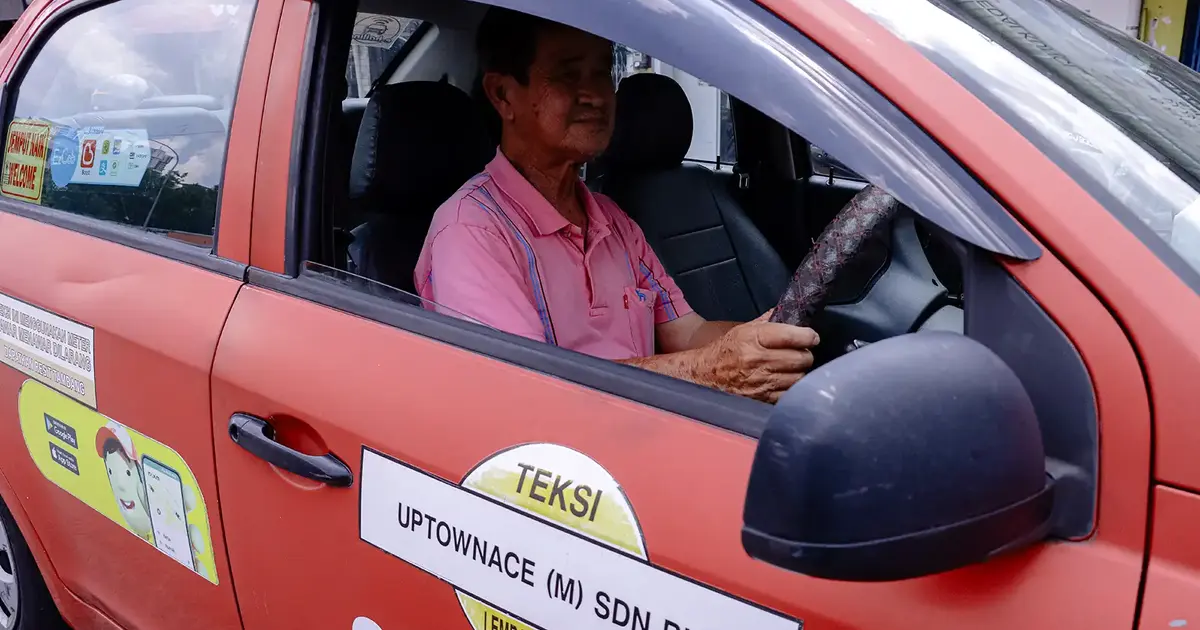
The government has committed an extra RM10 million in financial support directed towards taxi drivers operating across Malaysia, reflecting recognition of their essential role in the transport ecosystem and their influence on international visitor experience. Prime Minister Anwar Ibrahim framed the allocation within a broader narrative of supporting frontline workers, characterising taxi drivers as key contributors to shaping how Malaysia is perceived by foreign travellers arriving in the country.
The initiative underscores a policy shift toward acknowledging the taxi sector's multifaceted contribution beyond mere transportation logistics. Drivers ferry tourists from airports, ferry terminals, and hotels, serving as unofficial ambassadors who interact meaningfully with visitors during their first and last impressions of Malaysia. Their professionalism, local knowledge, and courtesy significantly influence traveller satisfaction and word-of-mouth recommendations, factors increasingly recognised as crucial for sustained tourism revenue growth.
Malaysia's tourism sector has experienced considerable pressure and transformation in recent years. The reopening of borders post-pandemic required rebuilding visitor confidence and recalibrating the tourism experience across multiple touchpoints. Taxi drivers represent one of the most immediate and visible contact points for arriving visitors, making their operational sustainability and morale directly linked to overall tourism competitiveness in Southeast Asia's competitive landscape.
The RM10 million allocation addresses genuine economic pressures facing the taxi industry. Operating costs including fuel, vehicle maintenance, insurance, and rental fees have escalated significantly, while regulatory frameworks and changing travel patterns—particularly the rise of ride-hailing applications—have fundamentally altered the traditional taxi market. Many drivers struggle with reduced earnings and unpredictable daily income, contributing to workforce attrition and service quality challenges.
This support package signals government intent to maintain a viable formal taxi sector alongside alternative transport modes. Rather than allowing taxi services to decline entirely through market forces, the allocation represents deliberate policy to sustain this crucial service component. The timing coincides with international tourism recovery, suggesting strategic coordination between tourism promotion and ground-level service infrastructure investment.
For Malaysian readers and the broader regional context, the decision carries implications extending beyond simple financial assistance. It demonstrates how governments view informal and formal service sector workers during economic transitions. Countries throughout Southeast Asia grapple with balancing emerging digital transport solutions against traditional operator livelihoods, and Malaysia's approach may influence regional policy discussions regarding economic support mechanisms for displaced or pressured worker segments.
The frontliner terminology employed by the Prime Minister establishes important ideological framing. By positioning taxi drivers alongside healthcare workers, security personnel, and other recognised essential workers, the government elevates their social status and work value perception. This rhetorical positioning can influence public attitudes toward taxi services and driver professionalism, potentially encouraging increased utilisation among certain demographic segments and improved service expectations reciprocally.
Implementation mechanics remain crucial for the allocation's effectiveness. Determining how the RM10 million reaches individual drivers—whether through direct subsidies, reduced licensing fees, fuel assistance, or training programmes—will substantially affect outcomes. Different distribution mechanisms produce varying equity and efficiency results, with some approaches potentially benefiting larger operators disproportionately while others support independent drivers more directly.
The allocation also reflects political calculations regarding voter constituencies. Taxi drivers and their families represent a measurable constituency across urban and suburban Malaysia, and government support generates tangible political goodwill and media coverage. This visible commitment to transport sector workers aligns with broader administration priorities regarding cost-of-living pressures and employment security concerns that resonate broadly across the electorate.
Regional economic competitors have implemented similar support mechanisms for traditional transport sectors facing digital disruption. Singapore, Thailand, and Indonesia have pursued various strategies balancing modernisation with transitional support for affected workers. Malaysia's approach positions the country within this regional context, maintaining transport sector stability while newer mobility solutions mature and integrate into existing frameworks.
The announcement also highlights ongoing tensions between regulatory modernisation and worker protection. Ride-hailing platforms operate with fundamentally different cost structures and regulatory burdens compared to traditional taxis, creating competitive imbalances that simple market competition cannot resolve. Government intervention through direct allocation acknowledges this structural inequality and attempts compensatory adjustment.
Moving forward, the effectiveness of this initiative will depend on broader strategic planning around transport sector evolution. One-time allocations provide temporary relief but do not address underlying structural challenges driving taxi sector pressures. Sustainable solutions might require coordinated reforms addressing licensing flexibility, technology integration, fare structures, and operator consolidation alongside direct financial support. The RM10 million allocation represents immediate government responsiveness but signals potential for more comprehensive sectoral strategies addressing long-term viability.

