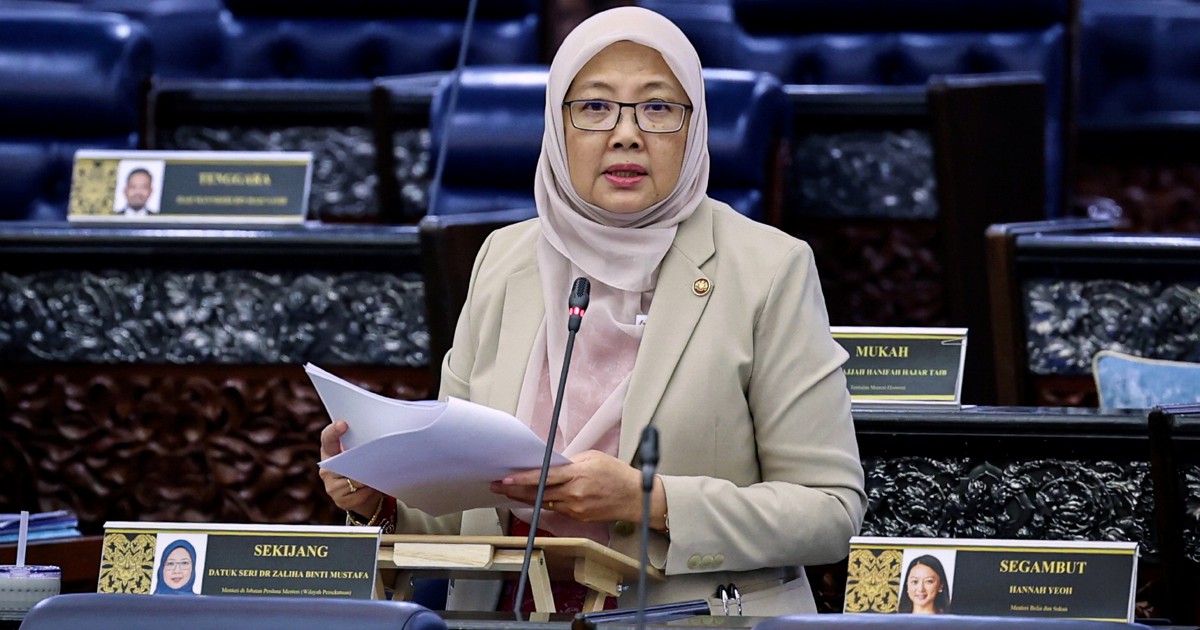
Datuk Dr Zaliha Mustafa, chairing the Government Backbenchers Club, has criticised opposition Perikatan Nasional lawmakers for abandoning their parliamentary seats during a special Dewan Rakyat session convened to discuss the Royal Commission of Inquiry findings into Lembaga Tabung Haji. The boycott during what was intended as a substantive legislative engagement underscores deepening fractious relations between the government and the principal opposition alliance, with the BBC leader suggesting the walkout reflected an unwillingness to engage with critical governance matters affecting Malaysian Muslim pilgrims.
The RCI report into Tabung Haji represents a significant accountability exercise for the pilgrimage fund, which manages religious savings for millions of Malaysian Muslims preparing for the Hajj. The inquiry's establishment and subsequent findings constitute a rare institutional scrutiny of the agency, making the parliamentary debate a key moment for discussing governance lapses and reform pathways. By withdrawing from the chamber, PN MPs forfeited the opportunity to voice parliamentary concerns, scrutinise government responses, and contribute to shaping any policy or structural corrections emerging from the inquiry.
Zaliha's remarks reflect broader frustrations within government circles about opposition tactics in parliament. The BBC, comprising ruling coalition backbenchers, has increasingly served as a mechanism for government messaging and legislative coordination. Her public criticism signals that the government views the walkout not merely as parliamentary theatre but as a substantive abdication of opposition responsibility to their constituents who depend on Tabung Haji's integrity and performance.
For Malaysian pilgrims and their families, the RCI inquiry carries personal weight. Tabung Haji dysfunction directly impacts savings mobilisation, investment returns, and the annual pilgrimage experience for hundreds of thousands of Malaysians. Parliamentary scrutiny of the RCI findings provides a legitimate forum for airing concerns, proposing remedies, and demanding accountability from Tabung Haji leadership and government overseers. The opposition's absence from this debate means their voters, many of whom depend on the fund, lose a channel for representation during critical institutional review.
The timing and nature of the PN walkout merit examination. Opposition parties occasionally resort to parliamentary boycotts as protest tactics against perceived government unfairness or procedural grievances. However, such tactics risk delegitimising parliament itself and appear particularly counterproductive when applied to non-partisan accountability mechanisms like judicial or quasi-judicial inquiries. By framing their absence as opposition to government rather than engaging the substance, PN MPs may inadvertently suggest indifference to Tabung Haji governance—an unfavourable optic for lawmakers representing Muslim-majority constituencies.
The Tabung Haji RCI itself emerged from public and parliamentary pressure, reflecting legitimate governance concerns that transcend partisan divides. The fact that an inquiry was established indicates systemic problems warranted investigation. The subsequent report, regardless of its specific findings or recommendations, represents a collective institutional effort to diagnose and remedy issues affecting millions. Meaningful parliamentary debate about these findings serves the public interest across all political affiliations.
Geopolitically and regionally, Malaysia's management of religious institutions and pilgrim services carries symbolic importance. Southeast Asian Muslim countries monitor how peer nations handle Hajj governance and faith-based finances. Parliamentary dysfunction around such scrutiny—whether through walkouts or obstruction—can undermine confidence in Malaysian institutional maturity and create impressions of partisan capture overriding public purpose. For Malaysian Muslims with regional connections, perceptions of parliamentary integrity around Hajj matters carry cultural resonance beyond domestic politics.
The BBC chairman's public rebuke also reflects calculations about political messaging. Government backbenchers increasingly articulate collective narratives rather than individual positions, suggesting tighter communications discipline within the ruling coalition. Zaliha's statement appears calibrated to frame opposition MPs as obstructive while positioning the government as committed to transparent institutional accountability—a distinction important for voters evaluating governance competence ahead of potential electoral contests.
Going forward, the Tabung Haji RCI debate's parliamentary record will reflect who engaged substantively with the inquiry's implications and who did not. Even in absence, opposition lawmakers might articulate their positions through formal statements, media commentary, or subsequent parliamentary documents. However, the symbolic damage of walkout tactics—appearing to dismiss accountability mechanisms—registers with voters concerned about institutional performance and legislative seriousness.
The incident illustrates how Malaysian parliamentary culture increasingly weaponises procedural tactics alongside policy disputes. Constructive opposition involves challenging government proposals, scrutinising administrative responses, and offering alternative perspectives—all functions legitimately exercised during RCI debate. Conversely, wholesale parliamentary absence flattens this engagement into crude political theatre, disadvantaging constituents and institutions alike. For Tabung Haji pilgrims and broader publics invested in religious institution governance, substantive cross-party parliamentary engagement on the RCI findings would have advanced public understanding and accountability far more effectively than opposition theatrics.

