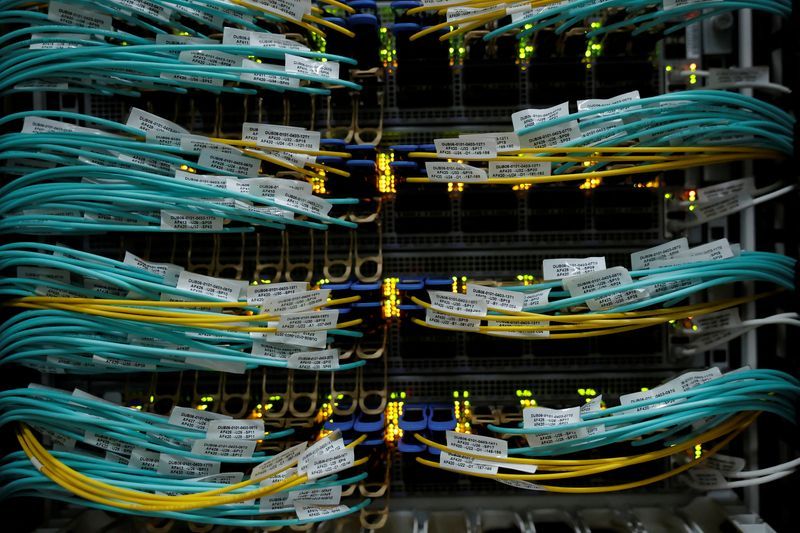
Governments, regulators and local authorities worldwide are increasingly moving to restrict, freeze or outright ban new data centre construction as the infrastructure demands of the artificial intelligence boom strain national power grids, deplete water supplies and consume scarce land. The backlash reflects growing anxiety among policymakers and communities about the hidden costs of the AI revolution, shifting focus from technological opportunity to practical sustainability concerns that could reshape how nations manage their digital futures.
In the United States, the restrictions have gained traction at both state and municipal levels. New York became the first U.S. state to implement a full moratorium when Governor Kathy Hochul imposed a one-year freeze on data centre construction for facilities consuming 50 megawatts or more of electricity. During this period, the state's Department of Environmental Conservation will not issue new discretionary permits for such projects, instead using the time to develop comprehensive environmental impact assessment standards tailored to data centre operations. The move signals that New York recognises the need for stricter governance frameworks before approving major facilities that could further burden an already stressed energy infrastructure.
Maine presented a cautionary tale about the politics of data centre regulation. Governor Janet Mills vetoed bipartisan legislation that would have enacted an 18-month moratorium on new data centres exceeding 20 megawatts of power consumption. Mills indicated support for the moratorium concept in principle but objected to the bill's lack of carve-outs for a specific project planned in the Town of Jay, illustrating how regional economic interests can complicate climate and sustainability goals even among legislators generally aligned on energy concerns.
At the grassroots level, Monterey Park, California, took an even more dramatic step. City residents voted in June 2026 to permanently ban data centres, becoming the first American municipality to adopt such a sweeping restriction through direct ballot initiative. This decision followed years of escalating community opposition to proposed facilities. The city had already imposed a one-year moratorium in 2019, followed by an extended freeze in April 2025 that prohibited new data centres or expansions until at least 2030. The permanent ban represents a definitive rejection of data centre development and reflects the intensity of local concern about the infrastructure's environmental footprint and impact on neighbourhood character.
Europe too is grappling with similar pressures. The Netherlands implemented a hyperscale ban at the national level in 2022, restricting large-scale data facilities to just two designated locations across the entire country. The policy represents an aggressive attempt to concentrate infrastructure in specific zones while preserving most of the nation from data centre development. However, the restriction has proven permeable: Microsoft secured approval in January 2026 for a project structured as three separate towers, each individually sized below the regulatory threshold, demonstrating how companies can navigate restrictive policies through creative structural arrangements.
Ireland provides perhaps the most instructive example of how data centre restrictions respond to grid strain. The country's electricity grid operator effectively blocked new data centre connections in the Dublin area from 2021 after warning that the rapid proliferation of such facilities was destabilising the broader electrical network. The freeze lasted over four years until December 2025, when authorities lifted the blanket restriction. However, the new framework imposed a substantial condition: facilities seeking new connections must now develop their own on-site power generation capacity. This shift transfers the burden of energy security from the national grid to individual operators, fundamentally changing the economics and feasibility of data centre projects.
These restrictions reflect a convergence of environmental, economic and social concerns that transcend traditional political boundaries. Data centres consume enormous quantities of electricity and water—both increasingly precious resources as climate change intensifies droughts and strains existing supplies. The facilities also occupy substantial land area and generate minimal employment relative to their footprint, making them economically unfavourable to host communities despite private sector arguments about job creation and tax revenue.
For Southeast Asia and Malaysia specifically, these global developments carry important implications. As companies evaluate where to establish data centre infrastructure to serve the region and support AI applications, governments in Southeast Asia may face similar pressures from their own constituents and face calls for comparable restrictions. Malaysia has positioned itself as an attractive hub for data centre investment, but the experience of New York, California, and Ireland suggests that rapid expansion could spark backlash. Policymakers should consider whether proactive regulation—establishing clear environmental standards, requiring renewable energy use, and limiting concentration in water-stressed regions—might provide a middle path between blanket prohibition and unfettered development.
The global restrictions also highlight how the AI boom's infrastructure requirements are suddenly making energy and environmental policy central to tech regulation in ways that seemed remote just years ago. Governments that once competed to attract data centre investment are now reconsidering whether the costs outweigh benefits. This represents a fundamental recalibration in how societies evaluate the trade-offs between technological advancement and environmental stewardship, with implications that will shape digital infrastructure investment patterns for years to come.

