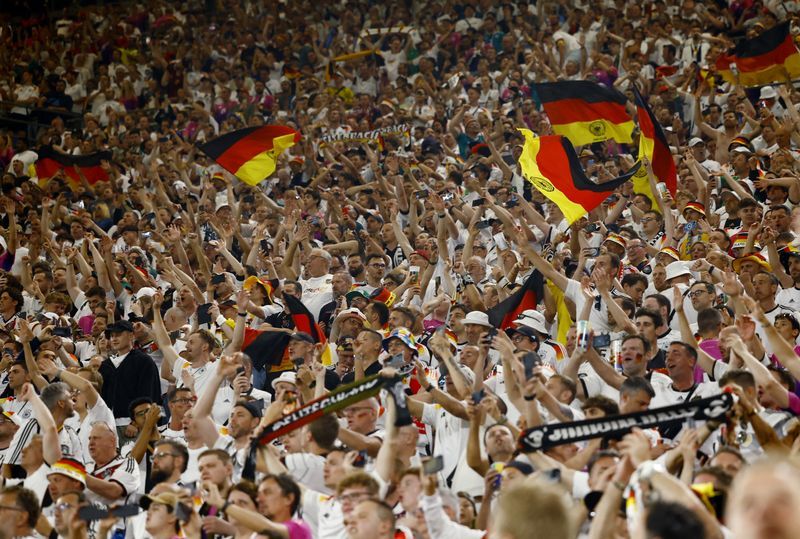
German law enforcement agencies have initiated a significant investigation into potential ticket and hospitality violations connected to the 2024 European Football Championship, with raids conducted across multiple locations including the headquarters of the Deutscher Fußball-Bund (DFB). The coordinated operation, which took place on Wednesday, represents an unusual level of scrutiny into the administrative structures surrounding a major tournament hosted by Germany earlier this summer, according to reporting by Bild newspaper.
The investigation, led by prosecutors in Bochum in conjunction with the North Rhine-Westphalia state criminal office, has focused on suspected irregularities in how tournament tickets and hospitality packages were distributed among various parties. While authorities initially refrained from explicitly naming the DFB in their official statements, court-authorized searches at the association's facilities signal that officials believe relevant documentation or evidence may be held there. The DFB declined immediate comment when contacted about the raids.
At the heart of the allegations lies a pattern of what investigators describe as unauthorized allocation of tickets and related benefits to preferred recipients prior to the tournament, which unfolded across ten host cities throughout Germany. The scope of the suspected impropriety appears substantial, with reporting suggesting several thousand tickets may have been distributed outside of standard public channels or official distribution protocols.
Among those under investigation is a German national employed as a municipal official in Gelsenkirchen, one of the host cities for the championship. This individual is suspected of receiving benefits valued at approximately €2,400, encompassing not only match tickets but also travel arrangements and hotel accommodations. The nature of the allegation—involving a public employee receiving such tangible benefits—underscores concerns about potential conflicts of interest or abuse of official position in managing tournament logistics.
The investigation also encompasses at least one French national among others, according to Bild's account, suggesting the irregularities may have crossed international boundaries. This dimension raises questions about whether the issues were isolated incidents or part of a more coordinated scheme involving parties from multiple countries seeking preferential access to premium match experiences during the competition.
The official prosecution statement characterised the suspected offences as involving "unauthorized advantages, including a visit to an international football match," language that deliberately broadens the scope beyond simple ticket misallocation. This phrasing suggests investigators are examining whether the distribution scheme constituted a form of bribery, corruption, or breach of fiduciary duty by those responsible for allocating these scarce resources.
For Malaysian and Southeast Asian observers, this development carries particular relevance as it illustrates governance challenges that can arise even in established European sporting institutions when managing high-profile international events. The Euro 2024 championship was ostensibly subject to rigorous oversight protocols from the Union of European Football Associations (UEFA), yet substantial irregularities in ticket distribution apparently escaped detection until after the tournament concluded. This raises broader questions about accountability mechanisms in major sporting competitions and the effectiveness of oversight procedures that should theoretically prevent such violations.
The investigation also reflects evolving standards regarding transparency and ethical conduct in sports administration. What might have once been overlooked as informal hospitality arrangements has become subject to criminal investigation, reflecting a contemporary emphasis on procedural integrity and equitable access to tournament experiences. This shift towards stricter standards for ticket distribution and hospitality allocation may have implications for how future major tournaments—including potential World Cup tournaments or other continental championships—are administered across Europe and beyond.
UEFA's apparent initial unwillingness to comment on the investigation suggests the governing body may still be assessing the implications of the allegations for its own governance and regulatory frameworks. The European football authorities will likely face questions about what pre-tournament auditing procedures were in place and why systematic irregularities in ticket allocation were not identified during the championship itself rather than afterward.
The timing and scope of the raids indicate that German authorities are taking the allegations seriously, treating them as potential criminal matters rather than administrative irregularities. Multiple simultaneous searches across different locations suggest prosecutors believe coordinated evidence-gathering is necessary, pointing toward a potentially elaborate scheme rather than isolated incidents of misconduct.
As the investigation progresses, outcomes could substantially impact perceptions of governance within German football and European sports administration more broadly. Beyond the immediate legal proceedings, the case may prompt UEFA and national associations to revise their protocols for ticket distribution, implement more robust audit trails, and establish clearer ethical guidelines for officials involved in managing access to premium tournament experiences. For football fans and stakeholders throughout Southeast Asia who follow European competitions, the incident serves as a reminder that operational integrity challenges affect even well-resourced, established sporting institutions.

