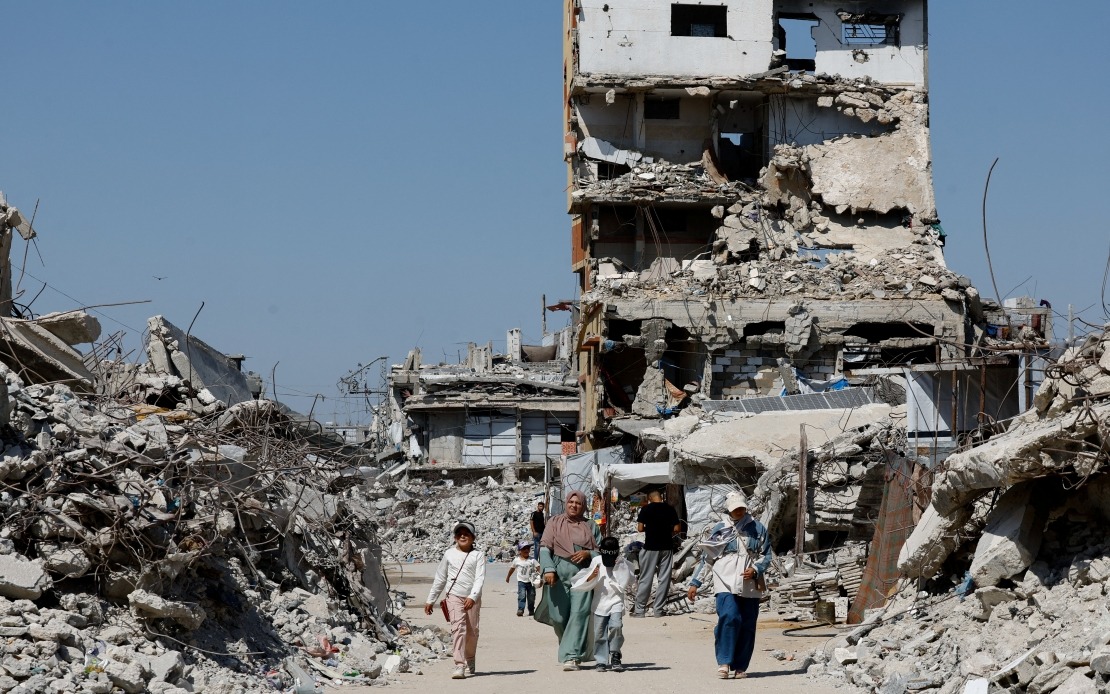
The death toll in Gaza has surpassed 73,400 as violence continues despite a ceasefire agreement, according to updated figures released Thursday by the Palestinian Health Ministry. The enclave recorded 10 additional fatalities and 25 injuries over the preceding 24-hour period, underscoring the precarious humanitarian situation in the blockaded territory more than eight months since the conflict's escalation in October 2023.
Gaza's Health Ministry documented that hospitals received ten bodies and twenty-five wounded individuals during the reporting period, adding to the staggering cumulative toll. The ministry's daily statistical account indicated that 73,417 Palestinians have perished overall since the outbreak of hostilities, while total injuries have reached 174,360. These figures represent an ongoing human catastrophe affecting one of the world's most densely populated regions, straining already inadequate medical infrastructure throughout the territory.
The persistence of deaths despite the October 2025 ceasefire agreement highlights the fragile nature of the truce arrangement. The ministry attributed continued casualties to Israeli military operations, including shelling and gunfire across multiple areas within Gaza. Rather than bringing comprehensive peace, the ceasefire has emerged as a tenuous arrangement repeatedly breached, with violations accounting for 1,283 deaths and 4,248 additional injuries since its implementation. This dynamic reflects the underlying tensions and competing interests that have made sustainable peace elusive in the region.
A troubling aspect of the current situation involves civilians trapped beneath collapsed structures and in exposed areas, unable to receive assistance. Ambulance services and civil defence personnel remain unable to reach numerous victims due to ongoing security threats and the deteriorated state of roads and infrastructure. This access crisis compounds the humanitarian emergency, as people requiring urgent medical attention languish without help, and families cannot retrieve deceased relatives for burial according to religious customs—a particularly acute concern in Palestinian society.
The destruction wrought by months of conflict extends far beyond the human toll. The Health Ministry and international observers report that approximately 90 per cent of Gaza's civilian infrastructure has sustained damage, rendering the territory nearly uninhabitable in many areas. Schools, hospitals, water systems, electrical networks, and residential neighbourhoods have been systematically compromised, creating cascading public health crises including disease outbreaks, malnutrition, and limited access to basic services.
Reconstruction of Gaza faces unprecedented challenges. The United Nations has estimated that rebuilding the devastated territory would require approximately US$70 billion, a figure that underscores the magnitude of destruction and the financial burden that will confront the Palestinian Authority and international donors. Such reconstruction costs rival entire national budgets in the Middle East region and highlight the extent of physical damage inflicted during the conflict. Without robust international commitment and funding mechanisms, Gaza faces years or decades of deprivation and substandard living conditions.
For Malaysia and other Southeast Asian nations, the Gaza situation carries significant implications. The conflict tests international consensus on humanitarian law and civilian protection standards enshrined in United Nations conventions. Malaysia, as a prominent Muslim-majority nation and vocal advocate for Palestinian rights within international forums, has consistently called for adherence to international humanitarian law and accountability for violations. The ongoing breach of ceasefire terms and continuation of civilian casualties directly contradicts pledges made by all parties to respect agreed arrangements.
The ceasefire violations also demonstrate the limitations of international pressure and mediation efforts in resolving entrenched conflicts. Despite involvement by regional powers, international organizations, and diplomatic initiatives, neither party has fully committed to the terms of the October 2025 agreement. This pattern suggests that addressing the underlying political, security, and territorial disputes driving the conflict remains essential, rather than relying solely on temporary ceasefires that prove unsustainable under pressure.
The humanitarian dimension of the Gaza crisis has drawn particular concern from international aid organizations, which document worsening conditions including widespread food insecurity, disease risks, and psychological trauma affecting millions of civilians. Children born during the conflict have known only violence, while surviving infrastructure struggles to provide clean water, electricity, or basic medical services. Educational disruption affects an entire generation's future prospects and development.
Looking forward, resolving the Gaza situation requires comprehensive diplomatic engagement addressing the root causes of conflict rather than managing symptoms through temporary truces. Establishing mechanisms for accountability, establishing durable security arrangements that protect all civilians, and creating pathways to political settlement remain essential steps toward preventing further loss of life. The mounting death toll and infrastructure destruction underscore the urgent necessity for progress on these fronts before the humanitarian situation deteriorates further.

