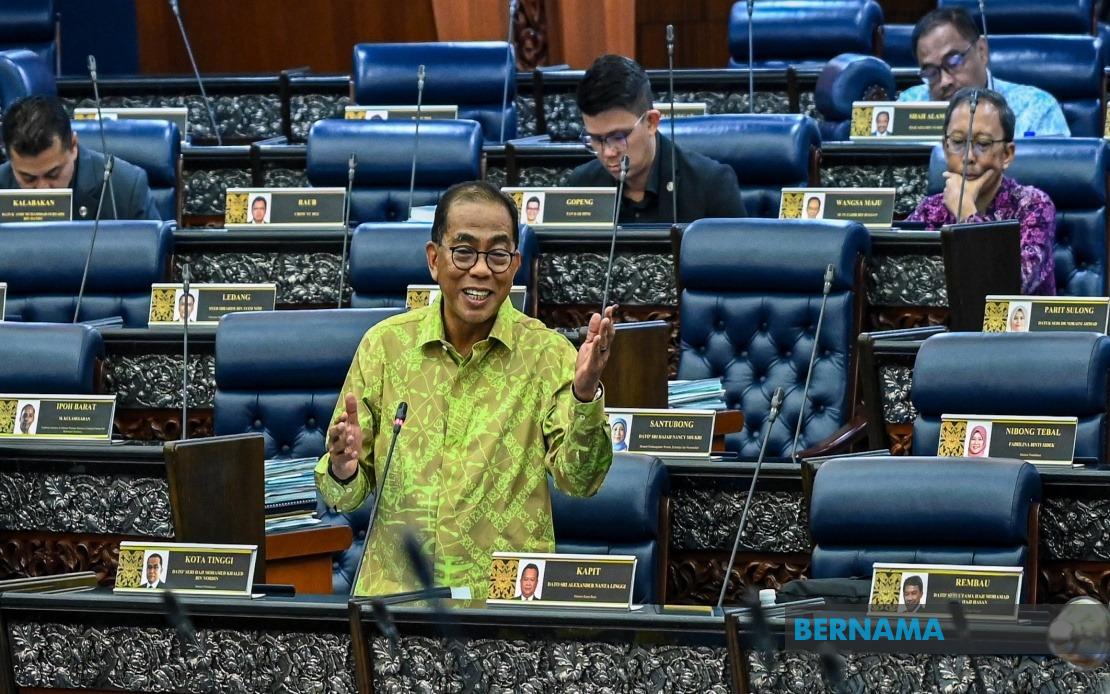
The Malaysian Defence Ministry is preparing to submit a full investigative report on July 23 regarding a fatal grenade explosion that occurred at the Hobart Camp Firing Range in Gurun, Kedah, last month. Defence Minister Datuk Seri Mohamed Khaled Nordin announced the expected completion date while addressing Parliament, emphasising that the thorough examination of technical factors, operational procedures, and witness accounts remains essential before determining the underlying cause of the incident.
The tragic event unfolded on June 16 during a Combat Enhancement Training exercise, when a grenade detonated inside a bunker at approximately 10.57 am. The explosion claimed the lives of Lance Corporal Siti Khadijah Sungip and Sergeant Norazmi Abu Bakar, an supervising instructor. Both personnel sustained catastrophic injuries from the blast and were transported by emergency services to Sultan Abdul Halim Hospital in Sungai Petani, where they were pronounced dead upon arrival.
To understand the delays in the investigation process, it is important to note the timeline of the inquiry's progression. The army established a formal Board of Inquiry on June 17, 2026, the day immediately following the incident. This specialised investigative body conducted preliminary examinations and compiled its findings, which were subsequently forwarded to the 2nd Division Headquarters and the Army Western Field Command Headquarters for official review and validation.
The Defence Ministry formally received the initial investigative documentation from the Army Western Field Command Headquarters on July 13, 2026. However, upon careful examination of these findings, officials determined that the existing body of evidence and testimony required supplementation. Additional witnesses needed to be recalled for further questioning, while testimony from previously unidentified witnesses was deemed necessary to bolster the investigation's conclusions and ensure a comprehensive understanding of the events leading to the explosion.
Mohamed Khaled's parliamentary statement came in response to a question from Datuk Mohd Isam Mohd Isa, a Barisan Nasional representative from Tampin, who sought clarification on both the probable cause of the explosion during the Malaysian Armed Forces training activity and the safety protocols being implemented to prevent future occurrences of such catastrophic incidents.
In the immediate aftermath of the tragedy, Army Chief General Tan Sri Azhan Md Othman took decisive action to mitigate further risks within the military training environment. He mandated a temporary cessation of all grenade-throwing exercises across affected units and directed a wide-ranging special inspection of the entire remaining stock of grenades held by the 1st Squadron of the Royal Engineer Regiment. This precautionary measure was designed to identify any potential defects or manufacturing anomalies that might have contributed to the explosion.
The Defence Ministry has outlined an array of preventive measures aimed at substantially improving safety standards across military training facilities. These initiatives include the installation of closed-circuit television systems at all firing ranges to provide continuous visual documentation of training activities, the deployment of body-worn cameras for individual soldiers conducting high-risk exercises, and the introduction of a comprehensive casting policy for ammunition and explosives. This policy will establish and monitor the service life of ordnance, ensuring that aging or degraded munitions are identified and removed from operational inventory before they pose hazards to personnel.
For Malaysian readers and defence observers across Southeast Asia, this incident underscores the inherent dangers associated with live-fire training and the critical importance of robust safety protocols within military institutions. The deployment of advanced monitoring technologies and systematic asset management approaches represents a significant evolution in how regional militaries approach risk mitigation in training environments. The establishment of a thorough Board of Inquiry, combined with the willingness to expand witness testimony and revisit initial findings, demonstrates institutional accountability and a commitment to identifying root causes rather than accepting superficial explanations.
The tragedy raises broader questions about ammunition supply chains, quality control standards, and the periodic inspection regimes that should characterise professional military operations. Given the integration of Malaysian armed forces within regional defence frameworks and joint training exercises with allied nations, the findings from this investigation may carry implications for how other Southeast Asian militaries evaluate their own ordnance handling procedures and training safety protocols.
The expected July 23 release of the complete investigative report will provide the military establishment and the Malaysian public with detailed findings regarding how a routine training exercise resulted in the deaths of two trained personnel. The comprehensive nature of the inquiry, evidenced by the willingness to recall witnesses and expand the scope of testimony beyond initial submissions, suggests that Defence Ministry officials are committed to establishing precise causation rather than rushing toward preliminary conclusions that might prove incomplete or inaccurate. This methodical approach, while extending the investigation timeline, ultimately serves the interests of both accountability and prevention in military operations.

