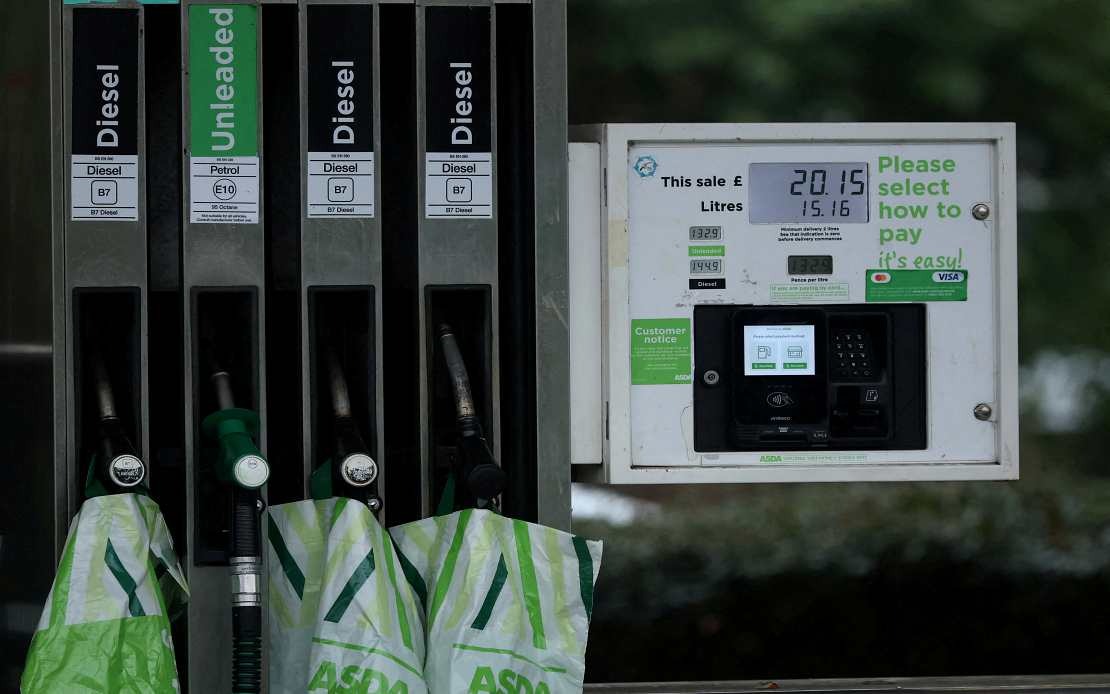
Petrol station operators in the United Kingdom are facing a mounting crisis of fuel theft that has intensified dramatically since geopolitical tensions with Iran drove energy prices to three-and-a-half-year highs. Analysis by Forecourt Eye, a fuel theft prevention specialist, reveals that drivers are stealing an estimated £194,000 worth of petrol and diesel daily from forecourts across the nation—a staggering figure that underscores the economic pressure households face when energy costs spike unexpectedly.
The data paints a troubling picture of rising criminal activity at the nation's 8,359 petrol pumps. Since the conflict erupted on February 28, reported incidents of fuel taken without payment have climbed by 20 per cent over a five-month period compared to the preceding five months. More significantly, the monetary value of stolen fuel has surged by 48 per cent across the same timeframe, demonstrating how inflation in pump prices has compounded the problem. Forecourt Eye gathered this intelligence from a representative sample of 550 forecourt installations, providing a comprehensive snapshot of the challenge confronting independent and branded operators alike.
First-time offenders account for much of the increase, with a 23 per cent rise in incidents and a 26 per cent increase in the volume of fuel stolen among customers with no previous record of such behaviour. Repeat offenders, meanwhile, showed more modest escalation—17 per cent more incidents and 20 per cent additional volume—suggesting that while habitual thieves continue their activities, the crisis has drawn newcomers into fuel theft. The breakdown indicates that broader economic hardship, rather than organized criminal networks alone, is driving the phenomenon.
The mechanics of the thefts are straightforward yet persistent. Fuel theft manifests primarily as drive-offs, where customers depart without any attempt to pay, and no-means-of-payment incidents, where individuals fill their tanks and claim inability to settle the bill. Both categories have accelerated as pump prices have climbed relentlessly. The average litre of petrol reached 160 pence in early August, approximately 27 pence higher than before the Iran tensions began. Diesel proved even more expensive, averaging 179 pence per litre—some 37 pence above pre-conflict levels. These price increases directly correlate with the theft surge, as cash-strapped drivers resort to illegal means to fuel their vehicles.
For independent petrol station operators, the impact extends beyond simple financial loss. Gordon Balmer, executive director of the Petrol Retailers Association representing independent forecourts, highlighted that members face rising hostility from customers. Staff at these facilities report increasing verbal and physical abuse from drivers frustrated by high pump prices, despite having no control over pricing decisions. This deterioration in workplace safety compounds the broader challenge of managing forecourt operations in an inflationary environment.
A particular misconception complicates matters further. Many drivers appear to believe that branded forecourts—those displaying logos of multinational oil companies such as BP and Shell—are operated directly by those corporations. In reality, most are run by small independent businesses or franchisees who absorb losses from theft while the major oil companies retain their profit margins. Ben Lawrence, director of Lawrences Garages, which operates five stations across Norfolk and Hampshire, emphasizes this misalignment. When a customer drives away with £80 to £90 worth of fuel, the impact falls entirely on small operators, not the energy majors. Lawrence notes that fuel thefts have historically been linked to broader criminal activity, but the cost-of-living crisis has widened the demographic of offenders to include otherwise law-abiding citizens.
To combat escalating theft, the industry is turning to technological solutions. Forecourt Eye is partnering with Facewatch, a crime prevention technology provider, to offer free access to incident reporting systems for its customers. These platforms streamline the process of documenting fuel thefts, shop crime, and related offences. More controversially, participants can voluntarily join Facewatch's live facial recognition network, which alerts operators to known offenders attempting to use their forecourts. This surveillance approach reflects the desperation felt by operators seeking to protect their margins and staff.
The implications of this crisis extend beyond the UK retail landscape. For Malaysian readers and Southeast Asian observers, the situation illustrates how global energy shocks propagate through local economies and reshape consumer behaviour—sometimes in antisocial directions. Malaysia, as a net energy exporter with substantial petroleum revenues, has historically enjoyed relative price stability compared to energy-importing nations. Yet the UK experience demonstrates how rapid price volatility can erode social norms and compliance with commercial expectations, particularly among economically vulnerable populations.
The scale of the problem—nearly £200,000 in daily losses—represents genuine economic damage to small businesses operating on narrow margins. Industry leaders argue that integrated technological solutions, combined with improved police coordination, represent the pathway forward. However, the root cause—unaffordable energy prices during wartime supply disruptions—cannot be solved by forecourt surveillance alone. Without addressing the underlying economic pressures driving theft, retailers will likely face continued challenges regardless of technological innovation.
Looking forward, the situation raises questions about the resilience of supply chains and pricing mechanisms when geopolitical conflicts disrupt global energy markets. For independent retailers across developed economies, the lesson is stark: even in prosperous nations with sophisticated law enforcement, sudden energy price shocks can overwhelm social cohesion and trigger criminal activity among ordinary citizens. The UK forecourt crisis, therefore, serves as a cautionary indicator of broader economic fragility in an interdependent global energy system.

