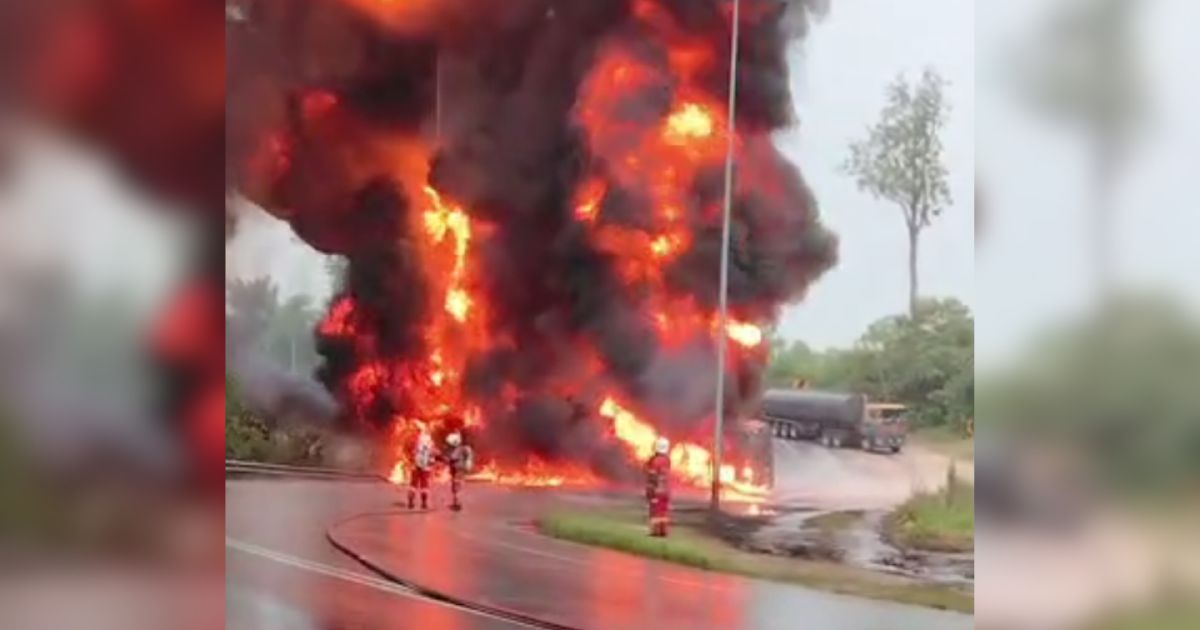
A fuel tanker driver involved in a fatal collision near Temerloh has been remanded in police custody for four days as investigators piece together the events that led to the deaths of a mother and her son on Jalan Temerloh-Triang near Kampung Lebak. The detention order follows standard procedures when traffic fatalities involve commercial vehicles carrying hazardous cargo, given the complexity of reconstructing such incidents and determining liability.
The crash, which occurred at Km9 of the highway connecting Temerloh to Triang, resulted in the deaths of two individuals whose families are now grappling with sudden loss. The involvement of a heavy fuel tanker in the incident escalates its severity beyond typical road accidents, as such vehicles require specialized handling and their operators must adhere to stringent safety regulations. The presence of inflammable cargo adds layers of complexity to both the immediate emergency response and the subsequent investigation.
Police investigations into traffic fatalities of this magnitude typically examine multiple factors that may have contributed to the collision. These include vehicle maintenance records, driver fatigue and hours of service compliance, road and weather conditions at the time of impact, vehicle speeds, and whether any traffic violations preceded the crash. The four-day remand period provides authorities with sufficient time to conduct preliminary forensic analysis, interview witnesses, and gather initial evidence from the scene.
The Temerloh-Triang corridor has witnessed several significant traffic incidents over the years, reflecting the challenges of maintaining safety on peninsular highways that carry both private and commercial traffic at considerable volumes. Road safety experts consistently highlight that accidents involving large commercial vehicles often result in more severe consequences due to the mass and momentum involved, making speed management and driver attention particularly critical on such routes.
For fuel tanker operators, regulatory compliance extends beyond standard driver licensing requirements. Commercial drivers transporting hazardous materials must undergo specialized training, maintain medical fitness standards, and operate vehicles that meet particular mechanical specifications. Breaches in these requirements can constitute additional offenses beyond any traffic violations that contributed to an accident. Investigators will likely examine whether the detained driver possessed appropriate hazmat certifications and whether the tanker's safety equipment was functioning correctly.
The remand decision reflects a judicial assessment that extended custody is necessary for investigative purposes rather than indicating presumed guilt. During this period, police may seek to clarify the precise sequence of events, obtain statements from eyewitnesses, and consult with forensic specialists regarding vehicle damage patterns and impact trajectories. Such technical analysis often proves crucial in determining which party bore responsibility for the collision.
Beyond the immediate legal proceedings, this tragedy underscores broader concerns about road safety in Malaysia. Fatal accidents involving commercial vehicles typically prompt discussions among transport regulators, industry bodies, and safety advocates regarding enforcement of speed limits, driver rest periods, vehicle maintenance standards, and the adequacy of road infrastructure. Each fatality represents not only personal devastation for families but also a marker of systemic vulnerabilities that may require attention.
The involvement of a fuel tanker introduces additional public safety dimensions. Emergency services responding to such incidents must account for the potential hazards posed by inflammable cargo, requiring specialized equipment and training. Had the collision ignited the tanker's contents, consequences could have extended far beyond the immediate victims, potentially affecting nearby residents or creating environmental contamination.
For the transport industry more broadly, incidents like this serve as reminders of the responsibilities inherent in operating heavy commercial vehicles on public roads. Employers face obligations to ensure their drivers receive adequate rest, maintain vehicles properly, and comply with all regulatory requirements. The pressure to meet delivery schedules cannot override safety considerations, though such pressures often contribute to infractions that increase accident risk.
The investigation's outcome will likely influence enforcement priorities and may prompt discussions between the Road Transport Department and major fuel distribution companies regarding additional safety measures. If preliminary findings identify specific causal factors—such as excessive speed, mechanical failure, or driver fatigue—these could lead to targeted interventions within the transport sector.
Family members of the deceased face a prolonged grieving process complicated by legal and insurance procedures that often follow fatal traffic incidents. Malaysian courts will eventually determine whether charges such as causing death by rash or negligent act will proceed against the detained driver, and civil liability will ultimately determine compensation available to the bereaved family.
As investigations continue, the four-day remand period represents a critical window for gathering evidence while witness recollections remain fresh and scene evidence has not deteriorated. The outcome of this inquiry may carry implications not only for the driver's criminal liability but for broader understanding of road safety challenges on major Malaysian highways.

