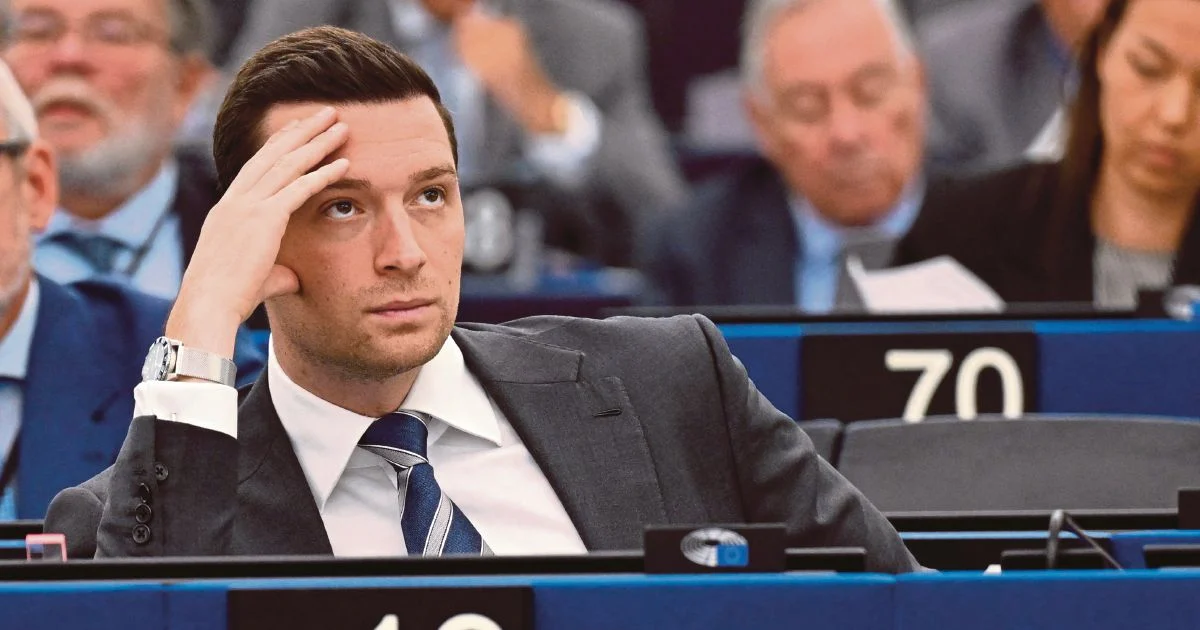
A French anti-corruption watchdog has moved to launch a formal investigation into claims that Jordan Bardella, the far-right presidential hopeful and rising star of France's political landscape, once occupied a non-existent post as an assistant within the European Parliament. The allegations, which emerged on Tuesday, have triggered a formal request for judicial scrutiny, though Bardella's National Rally party has flatly rejected the accusations as baseless.
The watchdog's decision to pursue the matter reflects growing concerns about potentially fraudulent employment arrangements within European institutions. Such accusations carry significant political weight in France, where integrity in public service remains a sensitive issue following decades of scandals involving misuse of parliamentary resources and phoney job placements.
Bardella, who has positioned himself as the National Rally's chief strategist and potential successor to party leadership, faces potential reputational damage if the investigation substantiates the claims. At 28 years old, he has become a prominent voice in French politics, known for his hardline positions on immigration and national identity. The timing of the investigation could complicate his political positioning as the party gears up for future elections.
The alleged arrangement would mirror patterns previously uncovered in European politics, where parliamentary assistantships have occasionally been misused as cover for political operatives or party staffers who collected EU paychecks while performing work elsewhere. Such practices contravene European Parliament regulations, which mandate that assistants provide genuine services to the institutions they claim to work for.
French media investigations reportedly first surfaced the claims, suggesting that Bardella may have held the fictional position while simultaneously performing duties for the National Rally. If verified, such an arrangement would constitute a breach of European employment law and parliamentary ethics codes. The potential financial implications could be substantial, depending on the duration and salary level of the position.
The National Rally's denial of the allegations has been swift and unequivocal. Party officials argue that Bardella's European Parliament connections were entirely legitimate and that any assertion to the contrary represents politically motivated attacks by their opponents. This defensive posture is typical of parties facing corruption allegations, yet the involvement of an independent watchdog lends institutional weight to the investigation.
For Malaysian and Southeast Asian observers, the case underscores how anti-corruption mechanisms in established democracies can be weaponized during political struggles. The investigation into Bardella illustrates that even wealthy European nations with sophisticated oversight systems remain vulnerable to parliamentary fraud. In the Malaysian context, where parliamentary assistantship regulations have also generated controversies, the French case provides relevant international precedent regarding employment verification and financial accountability.
The investigation's progression will likely dominate French political discourse in the coming months. Depending on findings, the case could either vindicate Bardella or significantly diminish his political prospects. European Parliament authorities have indicated they will cooperate fully with the French judicial process, signalling institutional determination to maintain employment standards within Brussels institutions.
The broader implications extend to the legitimacy of far-right movements across Europe, where questions about governance capacity and ethical standards frequently surface. Critics argue that populist parties often employ questionable administrative practices, while supporters contend that such investigations represent establishment attempts to delegitimize outsider candidates who challenge traditional power structures.
Regional significance for Southeast Asia lies partly in understanding how European democracies handle political corruption investigations. Malaysia's own experiences with parliamentary accountability and employment fraud within government institutions mean that international precedents carry practical relevance. The French watchdog's methodology and the legal standards applied could inform how other democracies approach similar allegations.
As the investigation proceeds, observers across France and Europe will monitor whether the institutional framework proves robust enough to generate credible findings. The case also highlights the complex intersection between party politics and judicial independence, a tension that transcends national borders and concerns democracies worldwide, including those in Southeast Asia seeking to strengthen their own oversight mechanisms and public trust in institutions.

