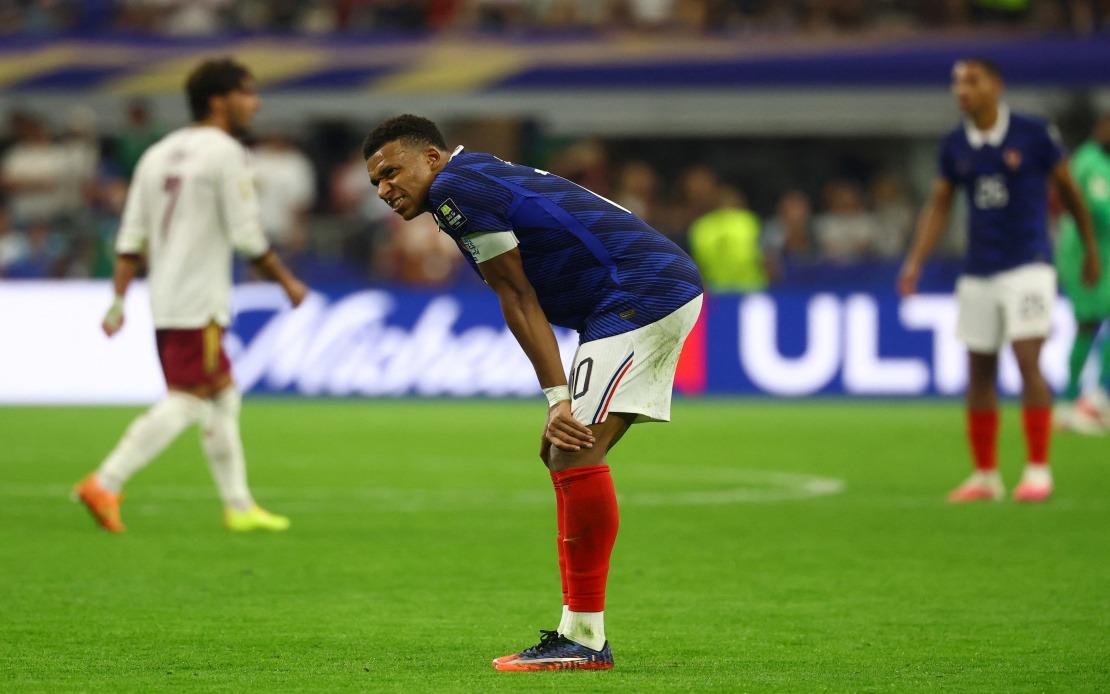
France's stunning 2-0 World Cup semifinal loss to Spain on Tuesday evening triggered a wave of civil unrest across the country, with security forces making over 160 arrests in major cities as supporters took to the streets in anger and frustration. The scale of the disturbances underscores the intense emotions surrounding international football in France, where passionate fan bases can turn volatile when national pride is wounded by unexpected defeats.
Parisian authorities bore the brunt of the disorder, detaining 141 individuals across the capital region and its suburbs in the hours following the semifinal match. The Paris Police Prefecture documented a pattern of aggressive conduct directed specifically at law enforcement officers and emergency services, with most arrests stemming from incidents involving homemade firework mortars that supporters launched toward uniformed personnel. These weapons, while not sophisticated, posed genuine risks to police and paramedics attempting to maintain public order during the chaotic evening.
The nature of the arrests reveals a concerning dimension to modern football culture in Europe. Rather than simple acts of vandalism or property damage, the incidents centered on direct confrontation with authority figures. Prosecutors would eventually have more difficulty securing convictions on charges that focused on projectile weapons and public endangerment compared to straightforward property crimes. Nonetheless, French security forces took the incidents seriously, deploying riot police and maintaining tight control over gathering points throughout the night.
Lyon, France's second-largest city, witnessed its own eruption of disorder when several hundred supporters congregated at Place Bellecour to view the semifinal on what was a significant evening for French football fans nationwide. The atmosphere shifted dramatically once Spain's victory became apparent, transforming the celebratory crowd into clusters of frustrated and angry young people. What began as spontaneous gatherings evolved into confrontational episodes, with groups hurling various projectiles including fireworks at police officers who had mobilized to prevent further escalation.
The response from Lyon's police services resulted in approximately 20 arrests, a notably lower figure than Paris but reflecting the intensity of disorder that developed in the historic square. Local authorities subsequently emphasized that the disturbances, while serious in intent, had not produced substantial physical injuries or extensive property destruction. This distinction matters considerably when assessing public safety outcomes and whether the police response successfully contained what could have become a more severe crisis.
Demographic analysis of those arrested showed that authorities had apprehended individuals predominantly born between 2002 and 2011, indicating that substantial numbers of the detainees were teenagers or young adults in their early twenties. This age profile suggests that social media connectivity, peer group dynamics, and the particular relationship between younger cohorts and international football violence all played significant roles in mobilizing participants toward confrontational behavior. Understanding these demographic patterns helps security planners prepare for future major sporting events.
For Malaysian observers and Southeast Asian football followers, the French incidents offer instructive lessons about managing crowd emotions surrounding World Cup competition. Malaysia's own football culture, while passionate, has generally maintained better discipline during major international tournaments. The contrast raises questions about how societies with different cultural traditions approach the intersection of national pride, sporting competition, and public order—themes that resonate across the region where football enthusiasm continues growing.
The broader European context matters here as well. France has experienced recurring challenges with football-related violence over many years, and major tournament disappointments have historically triggered unrest in cities across the country. Spanish victories, in particular, have sometimes provoked French supporter reactions due to the historical sporting rivalry between the nations and differing styles of play that French audiences find frustrating when their team loses to Spanish opponents.
Security officials noted with apparent relief that no serious injuries resulted from the evening's events, suggesting that despite the aggressive conduct and deployment of homemade weapons, the police presence and rapid interventions prevented casualties that could have complicated the aftermath considerably. This positive outcome reflects both the training and professionalism of French security forces and perhaps a measure of restraint from participants in the disturbances themselves, who may have recognized boundaries beyond which their conduct would provoke more severe governmental responses.
The incident raises important questions about crowd management protocols for international sporting events and how host nations can balance public enjoyment of major tournaments against security imperatives. France, having hosted major football competitions successfully on numerous occasions, clearly possesses sophisticated systems for crowd control and emergency response. Yet emotionally charged competition outcomes can overwhelm even well-designed systems, particularly when younger participants act impulsively without leadership or coordination from organized supporter groups.
Looking forward, the French football authorities and national government will likely conduct thorough reviews of their security preparations and response effectiveness. Future World Cup tournaments, whether hosted in France or elsewhere in Europe, will incorporate lessons from this episode into their planning frameworks. For Southeast Asian nations aspiring to host world-class sporting events, the French experience demonstrates that even wealthy, developed democracies with extensive security experience face challenges when managing large crowds experiencing intense emotional reactions to their team's elimination from major competitions.

