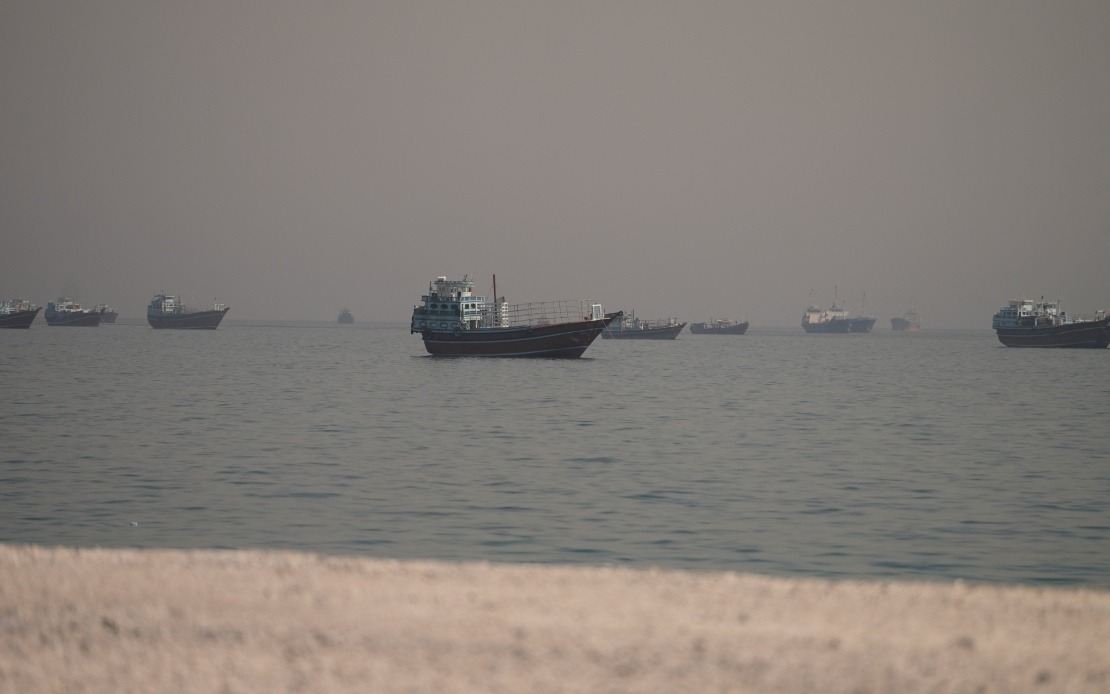
France is banking on Syria's potential to function as an alternative oil transit route, offering a strategic counterweight to mounting disruptions at the Strait of Hormuz where tensions between the United States and Iran continue to simmer. French Foreign Minister Jean-Noel Barrot outlined this vision during a television interview with TF1 this week, positioning Syria as a critical piece of France's energy security puzzle as geopolitical volatility threatens conventional supply lines. The comments come in the aftermath of President Emmanuel Macron's diplomatic visit to Damascus on Tuesday, signalling Paris's renewed engagement with Syria's evolving political landscape.
Barrot's assessment reflects a fundamental shift in how Western capitals are thinking about Middle Eastern energy logistics. Rather than accepting vulnerability to potential chokepoint disruptions, France is actively championing the diversification of energy corridors to insulate global markets from supply shocks. This approach carries particular urgency given that a significant proportion of world oil transits the Strait of Hormuz daily, making it one of the planet's most critical but precarious maritime passages. The mounting hostilities between Washington and Tehran have only amplified concerns about potential blockades or military incidents that could cripple flows instantaneously.
Syria's repositioning as an energy hub stems from the dramatic political upheaval that swept across the country roughly eighteen months ago when the regime of Bashar al-Assad collapsed. That seismic shift has opened pathways for international engagement that appeared impossible under the previous government's pariah status. As the country charts a new course, regional powers and Western nations are reassessing how Syria might contribute to broader Middle Eastern stability and economic integration. France's explicit backing of Syrian reunification and sovereignty suggests Paris sees strategic value in building relationships with Damascus early as the nation reconstructs institutions and infrastructure.
The timing of Macron's visit to Damascus underscores France's commitment to supporting Syria's transition and consolidating ties across multiple dimensions beyond energy alone. By coupling energy cooperation with broader messaging about economic partnerships and institutional strengthening, France is presenting a comprehensive vision of engagement that positions Paris as a stabilising force in Syria's recovery. This multifaceted approach appeals to Syrian leadership seeking international legitimacy and economic cooperation after years of international isolation and devastating conflict.
From a Malaysian and Southeast Asian perspective, this French pivot carries important implications for how the region thinks about energy security and diversification. Southeast Asia remains heavily dependent on Middle Eastern oil and gas supplies, with disruptions at critical chokepoints like the Strait of Malacca potentially mirroring those that could occur at Hormuz. The principle underlying France's strategy—actively developing alternative transport corridors and strengthening relationships with emerging energy hubs—mirrors challenges that confront Asian economies. As supply chain vulnerabilities become increasingly apparent across multiple domains, regional governments may find value in France's model of proactive diversification rather than passive acceptance of existing infrastructure dependencies.
Barrot's emphasis on preparing alternative routes reflects a recognition that energy security no longer means simply securing access to reserves. Instead, it requires careful attention to the physical pathways through which energy moves to markets, the geopolitical stability of transit zones, and the sustainability of relationships with countries controlling critical infrastructure. Syria's location provides geographic advantages that make it potentially valuable for alternative pipeline routes or transshipment arrangements, particularly if regional tensions make traditional pathways through Iraq or other neighbouring states less reliable.
The French initiative also signals broader European anxiety about Middle Eastern volatility and American policy directions. By independently developing relationships and exploring alternatives to existing arrangements, France preserves strategic autonomy while hedging against outcomes it cannot control. This stands in contrast to previous eras when Western energy security largely meant alignment with American regional priorities and existing geopolitical arrangements. The emergence of multiple competing visions for Middle Eastern order—involving Russia, China, and regional powers—creates space for France to pursue distinctive interests.
However, translating diplomatic vision into functioning infrastructure presents substantial challenges. Syria remains fractured administratively and economically devastated, with limited capacity to construct or operate sophisticated energy transit facilities. International investment in major pipeline or port projects faces legal, regulatory, and security obstacles. The timeline for realising Syria's potential as a meaningful energy hub likely extends well beyond immediate planning horizons. Nevertheless, beginning diplomatic and economic engagement now allows France to position itself advantageously as Syrian reconstruction accelerates and new commercial opportunities emerge.
The French approach also reflects evolving attitudes toward engagement with states previously isolated by Western sanctions and diplomatic pressure. As regional dynamics shift and new governments take power, Paris demonstrates willingness to recalibrate relationships and explore cooperation on matters of mutual interest. This pragmatic calculus—weighing long-term strategic interests against historical grievances—may increasingly characterise European foreign policy as traditional Cold War alignments continue fragmenting and energy security becomes a top-tier priority amid climate transitions and geopolitical competition.
Barrot's statements underscore that contemporary energy security increasingly transcends simple supply-and-demand economics. Geopolitical stability, infrastructure resilience, and diversified trading relationships have become inseparable from actual energy availability. France's explicit attempt to support Syria's stability while simultaneously developing it as an alternative energy corridor reflects this integrated understanding. For Southeast Asia, the lesson cuts clearly: building resilient energy systems requires not simply securing access to supplies but actively shaping the geopolitical and infrastructure environments through which energy flows to consuming nations.

